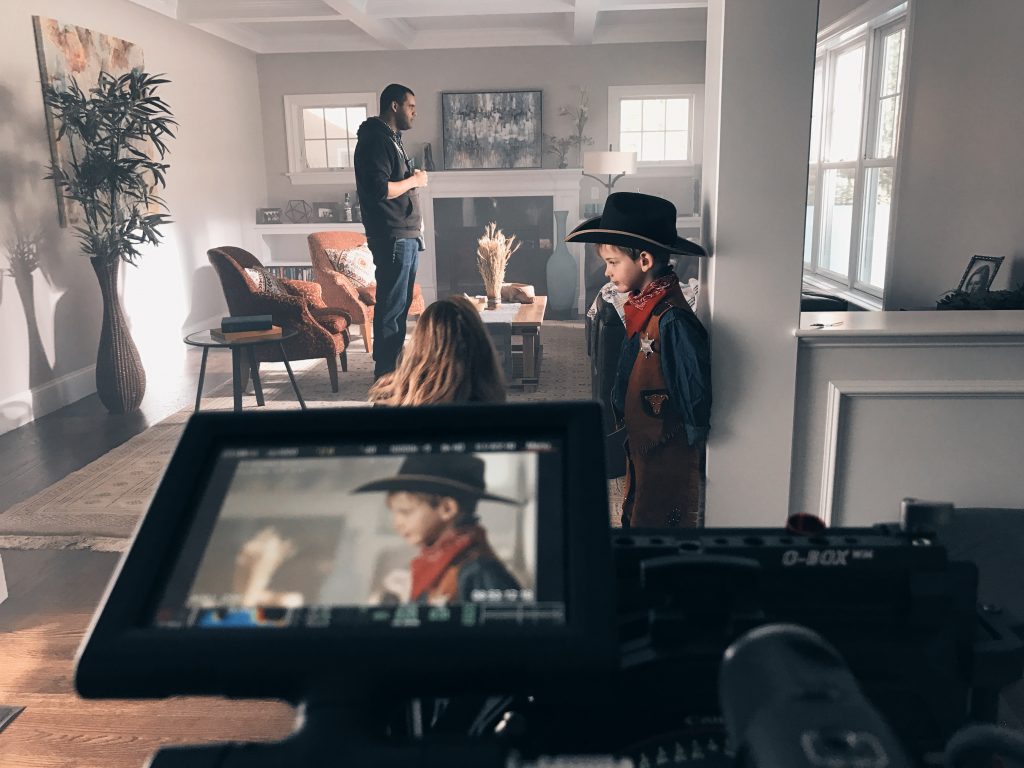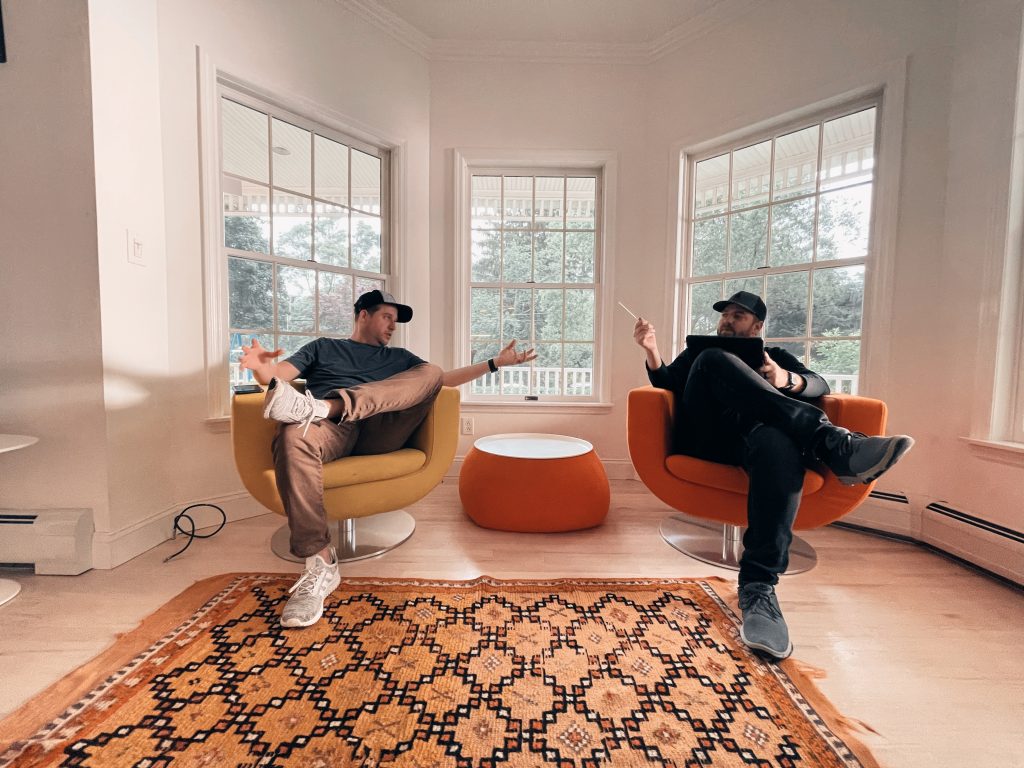
They say never work with kids or pets. But honestly? That’s where the good stuff is.
No one believes a perfectly polished, slow-motion “family toasting sparkling water over quinoa bowls” moment. Real life is chaos in a juice box. It’s a kid deciding their new favorite word is “butt” in the middle of a heartfelt scene. It’s a golden retriever stealing the hero prop and turning your commercial into an action movie. It’s a toddler looking dead into the lens and asking “Does this thing eat snacks?”

We’re commercial filmmakers. Agency-grade production is what we do, and we do it across a range of verticals. But over many years of work for brands like Care.com, Embark, and others, something happened that we didn’t entirely plan for: we developed a genuine specialization in family, kids, and pet-driven content. Not as a side offering or a soft skill, but as a core part of what we bring to the table. Most production companies treat kids and animals as a liability. A scheduling constraint to be managed, a risk to be mitigated, a line item that makes producers nervous. We’ve come to see it as an opportunity, and we’ve built a production infrastructure specifically designed to thrive inside of it. The crew, the process, the creative instincts, the editorial pipeline.

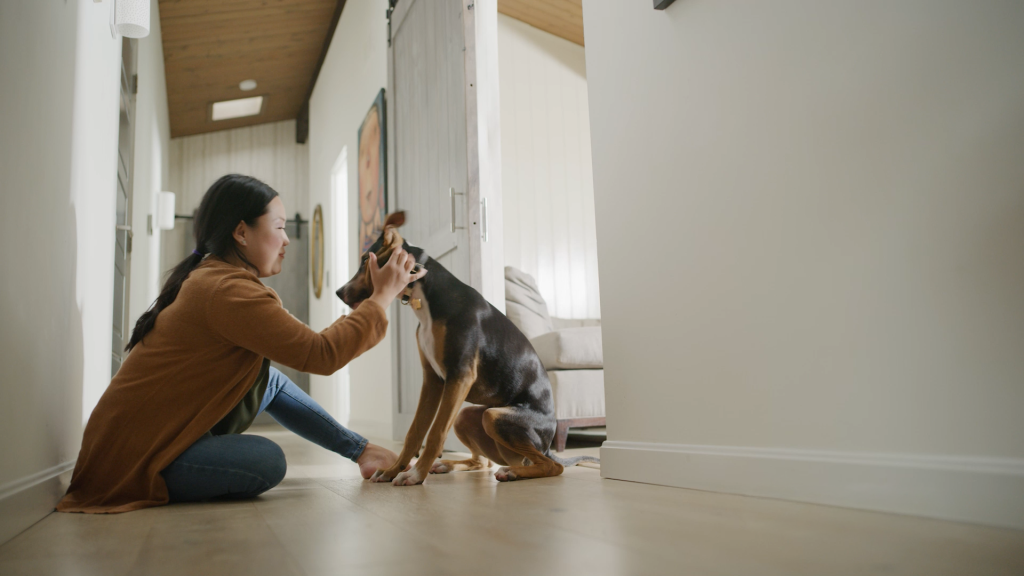
All of it evolved around a simple understanding: when you’re filming kids, pets, and real families, the best material almost never comes from the shot list. It comes from the space between takes, the energy in the room, and a team that knows how to recognize a real moment and protect it all the way from set to final cut.
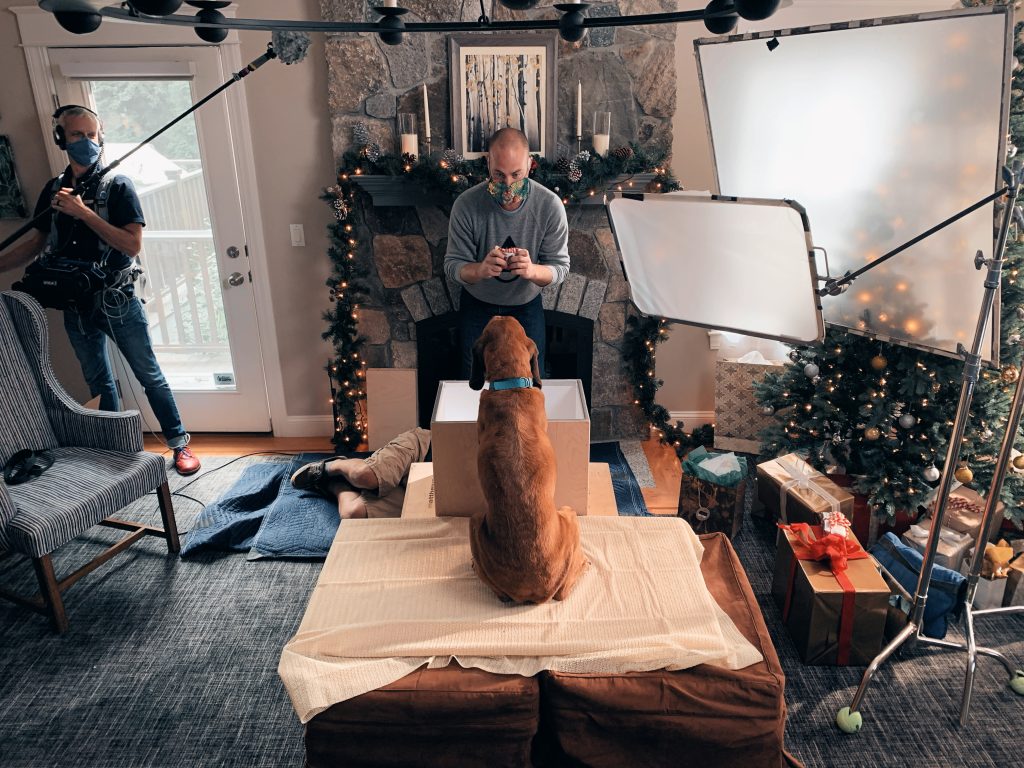

What follows is a look at how we got here, what these projects have taught us, and why this particular kind of work demands a different kind of production company.
Why this work is different, and why that matters
Before getting into the stories, it’s worth saying plainly what makes kid, pet, and family content structurally different from most commercial production. Because this isn’t just a creative preference for us. It’s an operational specialization, and it exists because the work genuinely demands it.
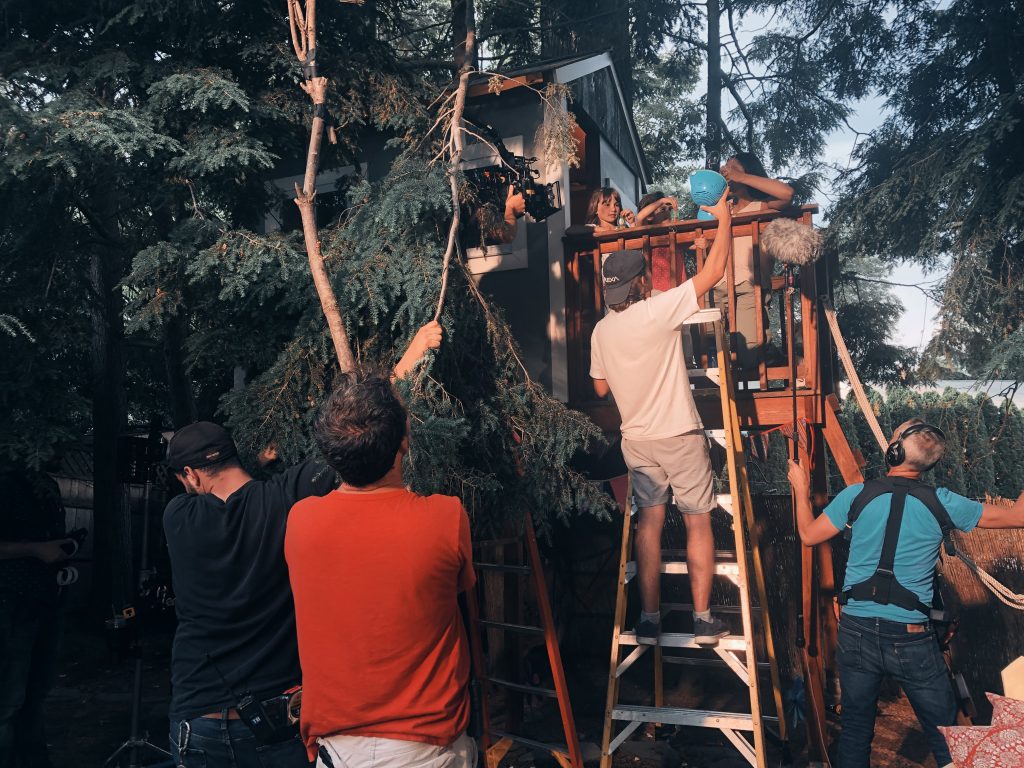
On a standard commercial shoot, you can rehearse. You can block. You can get a look right and repeat it. You can generally predict, within reason, what’s going to happen when the camera rolls. That predictability is what most production workflows are optimized for. Efficient days, clean deliverables, a straight line from brief to cut. And for most commercial work, that approach makes perfect sense. Kid and pet content breaks that model. Your lead talent might decide they’re done at 11 a.m. because their shoe feels “wrong.” Your hero dog might fall asleep during the money shot. A toddler might deliver the best line of the day in the middle of a lighting reset when only one camera is rolling.
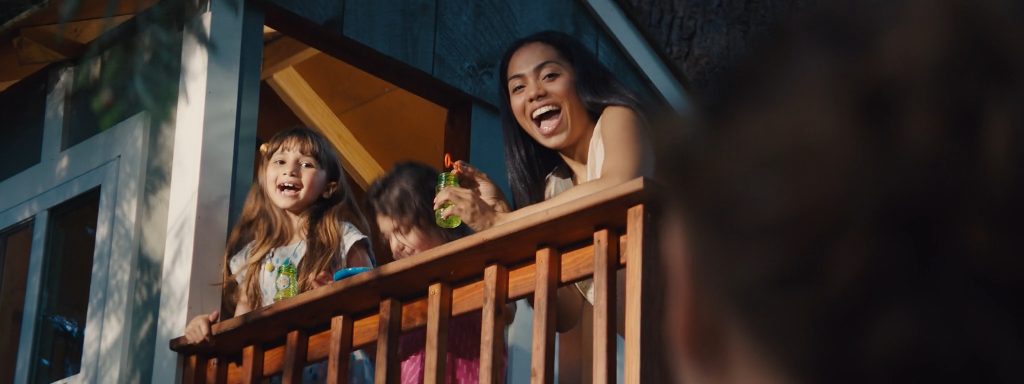
The emotional peaks that make this kind of content work, the unscripted laugh, the unguarded look, the moment of real connection between a parent and a child, don’t arrive on cue and they don’t repeat on demand. They show up once, without warning, and then they’re gone.
That means every part of the production has to be built for capture, not control. The schedule has to be flexible enough to follow what’s actually happening. The crew has to be experienced enough to read the room and adjust without being told. The director has to know the difference between a beat that needs steering and a moment that needs space. And the editorial team has to know what they’re looking at in post, because the best take is often the one that doesn’t look like a take at all. If no one in the edit room has the instinct to recognize it, it ends up on the floor.
That’s not a workflow most production companies are set up for, and by intention, it’s one we’ve spent over a decade building.

The people in the room
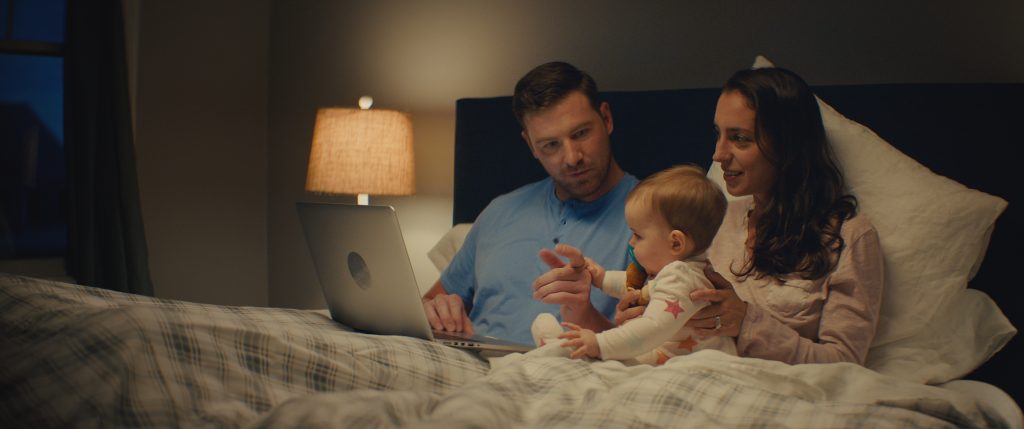
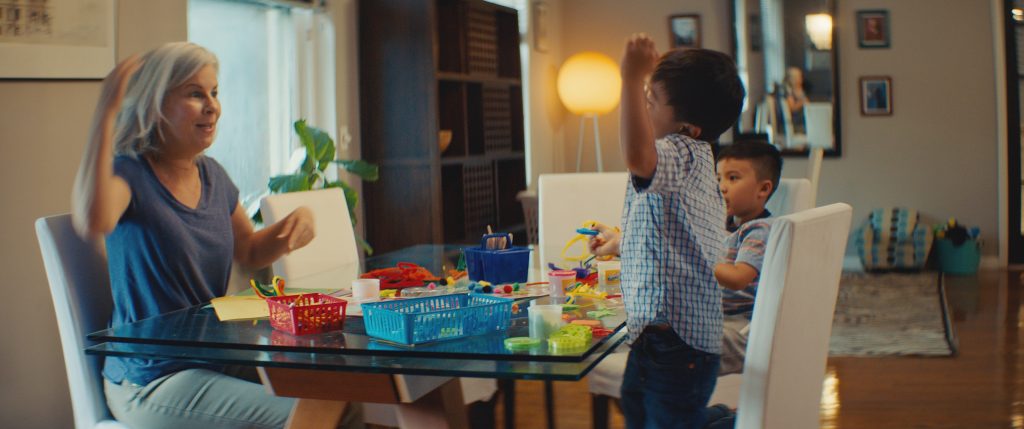
The foundation of everything we do in this space is the team. And not in the generic “our people are great” sense. The specific composition of a crew matters enormously when you’re working with kids and animals, because neither one responds to direction the way adults do. They respond to energy. If something feels off, if the vibe is rushed or someone’s stressed or the set feels like a machine instead of a place, they shut down. If it feels safe and genuinely fun, they open up in ways you can’t manufacture. Those are the moments that end up in the final cut.
We’ve learned, over many shoots, that the difference between a crew that can do this work and a crew that’s great at it comes down to consistency. Not just skill, but familiarity. With each other, with the pace, with the micro-adjustments that this kind of set demands. A freelance crew assembled for a single job can absolutely be talented, but they don’t have the shorthand. They don’t know each other’s body language. They don’t know when to push and when to disappear. Our team does, because most of them have been working together for years across dozens (hundreds?) of these shoots. That history shows up in the footage in ways that are hard to quantify but impossible to fake.
And it’s not just the director who carries that relationship. The people physically closest to the kid during a take, the DP, the audio engineer, need that same rapport. They’re right there in the child’s space when the camera rolls, and kids feel the energy coming off every person in the room, not just the one talking to them. Anyone not directly involved in a scene steps back and stays out of sight. You want the kid’s world to feel small and safe and focused, not like they’re performing for thirty strangers.

What we’ve learned about kids on set
Want a child to “act natural”? Good luck. Kids on set have two modes: adorable, scene-stealing magic, and full-blown existential meltdown because their sock feels weird. Honestly, mode two is sometimes more useful than mode one. You just have to know what to do with it.
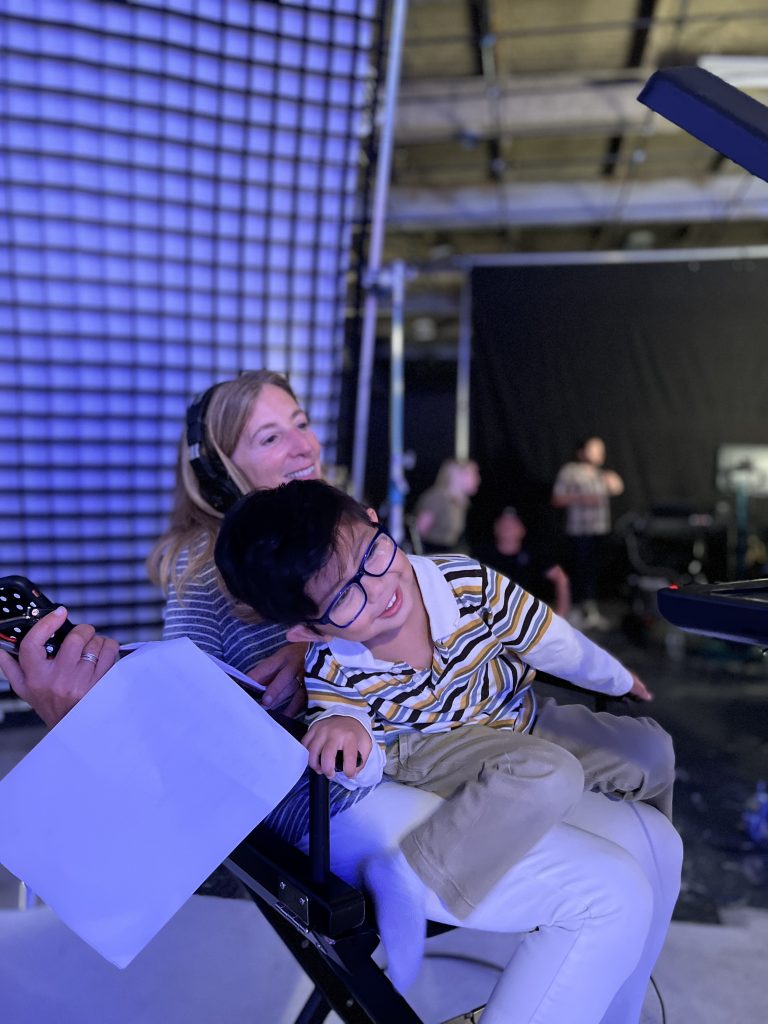
Loving the chaos doesn’t mean being unprepared for it. If anything, it demands more preparation, not less. The whole schedule gets built around the child talent because they’re the most time-restricted variable on set. Lighting is done, blocking is set, and everything is ready before the kid walks through the door. They arrive, get fifteen minutes to settle in, and then they’re on camera. Not a minute of that window gets wasted. You learn quickly that mornings are for high-energy work and the hour after lunch is for anything seated and snack-adjacent.
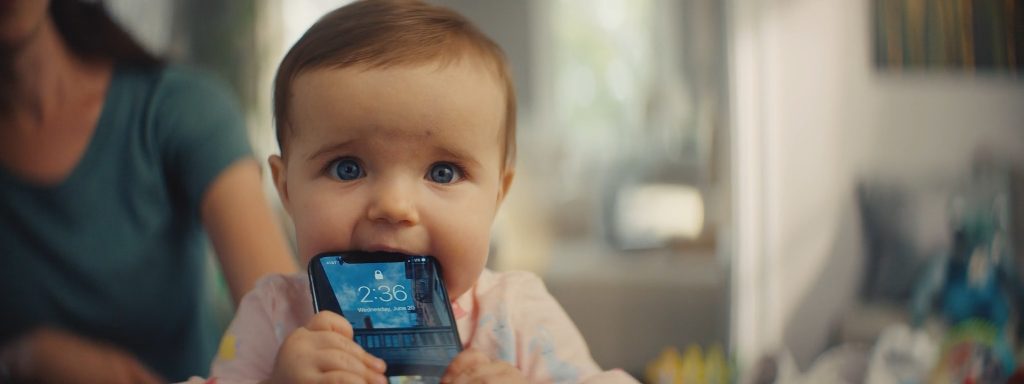

Before a kid is ever confirmed for a role, we run callback sessions designed specifically to see what these kids can do in different situations. We throw a lot at them and watch how they handle it. If a parent tries to step in at any point during that process, that kid is out. It sounds blunt, but it’s the only reliable way to know who can actually get through a long production day without shutting down. The kids who make it through are the ones who come in dying to tell you about themselves. They don’t answer questions and stop. They get into their stories, they build details, they connect. They’re not scanning the room looking for mom. Those are the kids who go the distance, and a lot of them went on to real careers.
On a few of our shoots, the spots weren’t scripted upfront. They were assembled in the edit from whatever the kids gave us. That means the director’s job is to ask the wildest possible series of questions and then egg them on, following wherever it goes. You don’t know what you’re going to get, which is exactly the point. The kid who answered a question with “that’s disgusting” didn’t know he’d just written the kicker for the spot.
For scripted work it’s a different technique: take each line the kid needs to deliver, say it rapid-fire fifteen different ways, expressive, a little extreme, a little silly, and have them mimic it back. The kid doesn’t just mirror it. They come back with more. Some of those takes were untouchable. The biggest mistake directors make in this space is treating kids like babies. If you treat them with respect and let them know you expect them to be capable, they respond to that. Every time.
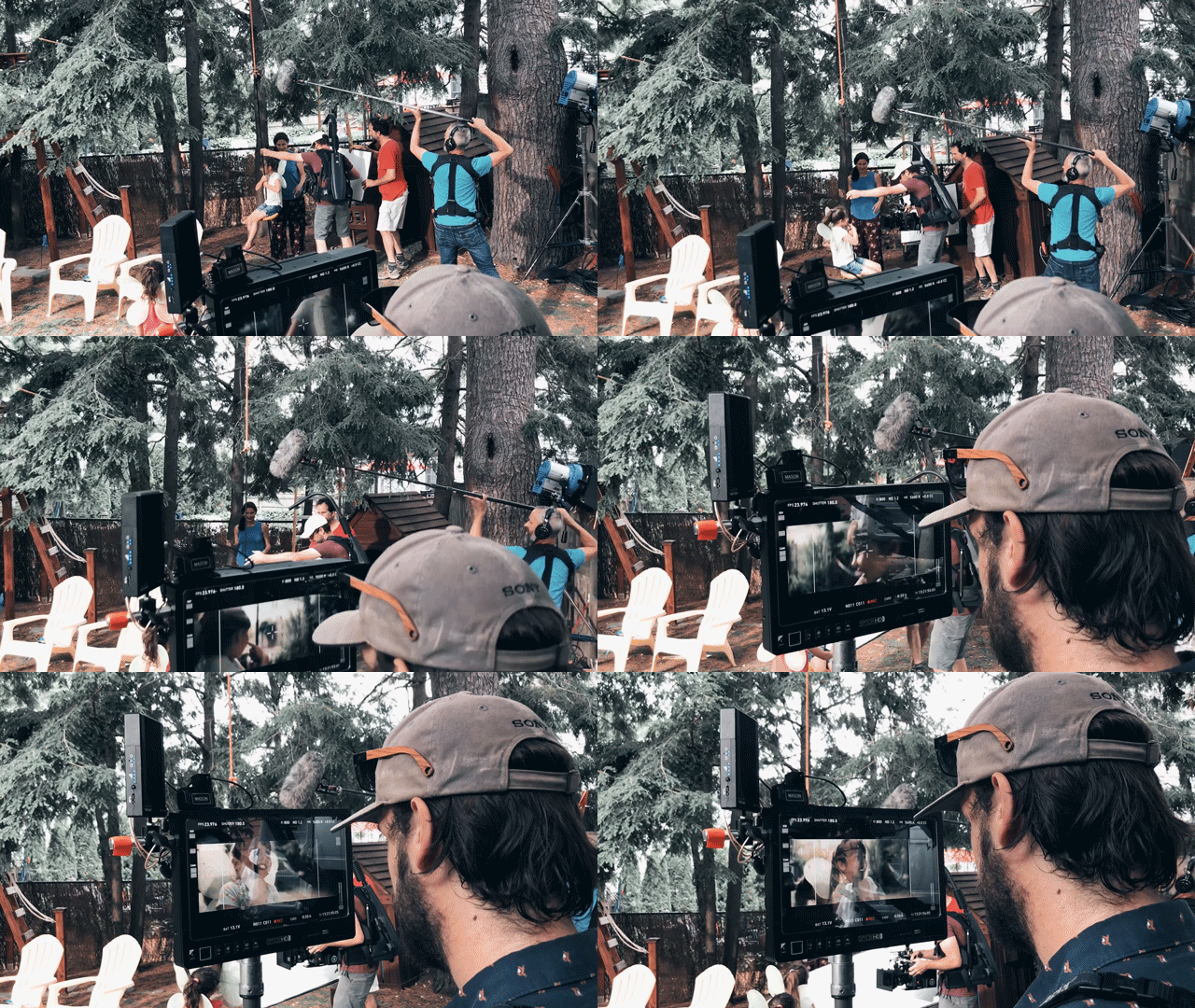
Backup talent is part of the plan from the start. Not an afterthought. Kids get sick. A kid who crushed the audition might freeze on the day. A parent situation might pull someone last minute. The best way to protect the client, protect the shoot, and protect the kid is to have a plan B that’s already built before anyone needs it. The goal is for the whole day to be a blast for everyone. The kids, the clients, the crew. That only happens when the production side is airtight enough that nobody’s ever scrambling.
One thing that took us a few shoots to figure out: parents on set is situational. Professional kid talent performs differently depending on whether mom or dad is standing next to the director. Sometimes it gives the kid confidence. More often, they perform for approval instead of for the camera. Our default now is video village in another room. The parent sees everything. The kid works the room on their own terms. It’s a small adjustment that changes the footage completely. A kid performing for a parent is a kid performing. A kid working the room on their own? That’s the shot.
We had a shoot for Care.com, a scripted concept where our young star had never picked up a pair of drumsticks before that day. By the end of the shoot you’d think she’d been cast because she’s a drummer. Equal parts charm and unearned confidence, she committed completely. To the role, to her drum teacher, to every single take. She had the whole crew laughing between setups, and not the polite kind of laughing. The kind where people are looking at each other like, “Are you seeing this?”
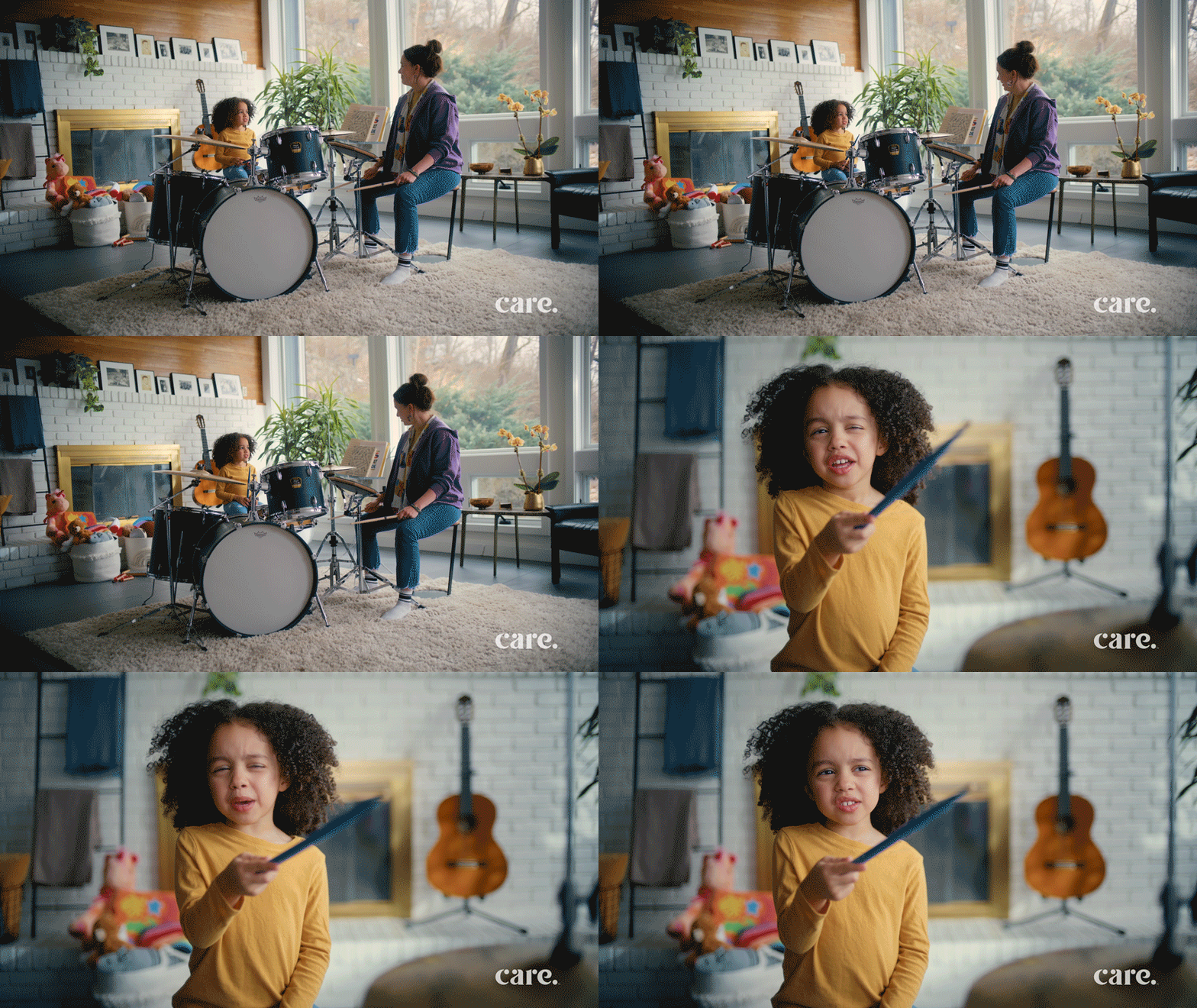
That experience taught us something we’ve returned to again and again. The kids who make the best spots aren’t the most obedient ones. They’re not even the most well-behaved. They’re the ones who make you question the plan, pivot to something unexpected, and sometimes throw out the script entirely.
Scaling it up: Thirty kids in Brooklyn
The real test of whether a production approach actually works isn’t a small, controlled shoot with one kid and a good director. It’s what happens when you scale it to a full agency-level production and the stakes get real.
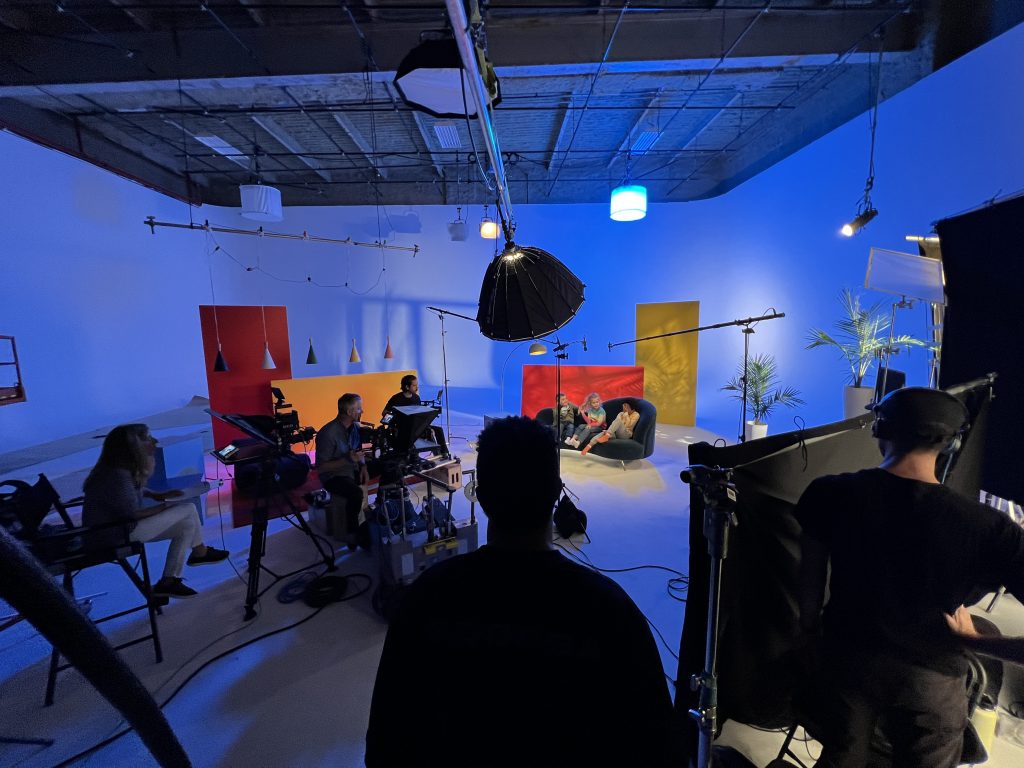
The culmination of everything we’d learned about filming with kids came on a two-day kid-centric shoot in a hangar studio in Brooklyn. Thirty crew. A matching number of child talent. A custom set built to look like an oversized playhouse, primary-color couches, big shapes, everything slightly too large so it dwarfed the kiddos. The concept was simple in a way that only things requiring enormous logistical effort can be simple: sit kids down, ask them real questions, and capture whatever comes out of their mouths. No scripts. No planted answers. Just kids being kids. This is what a major branded content production looks like when it’s built around unpredictability instead of against it.
Here’s the thing about two days and thirty kids in Brooklyn. The whole operation has to be in flow state. Not just the director, not just the camera department. Everyone. Parent and kid drop-off running smooth. Parking sorted. Snacks stocked. Lunch handled. Stations set. Line after line after line of kids cycling through, and every single one of them getting the same energy, the same warmth, the same set that felt safe and fun from the second they walked in. If even one part of that system is dragging, the kids feel it. And if the kids feel it, you see it in the footage.
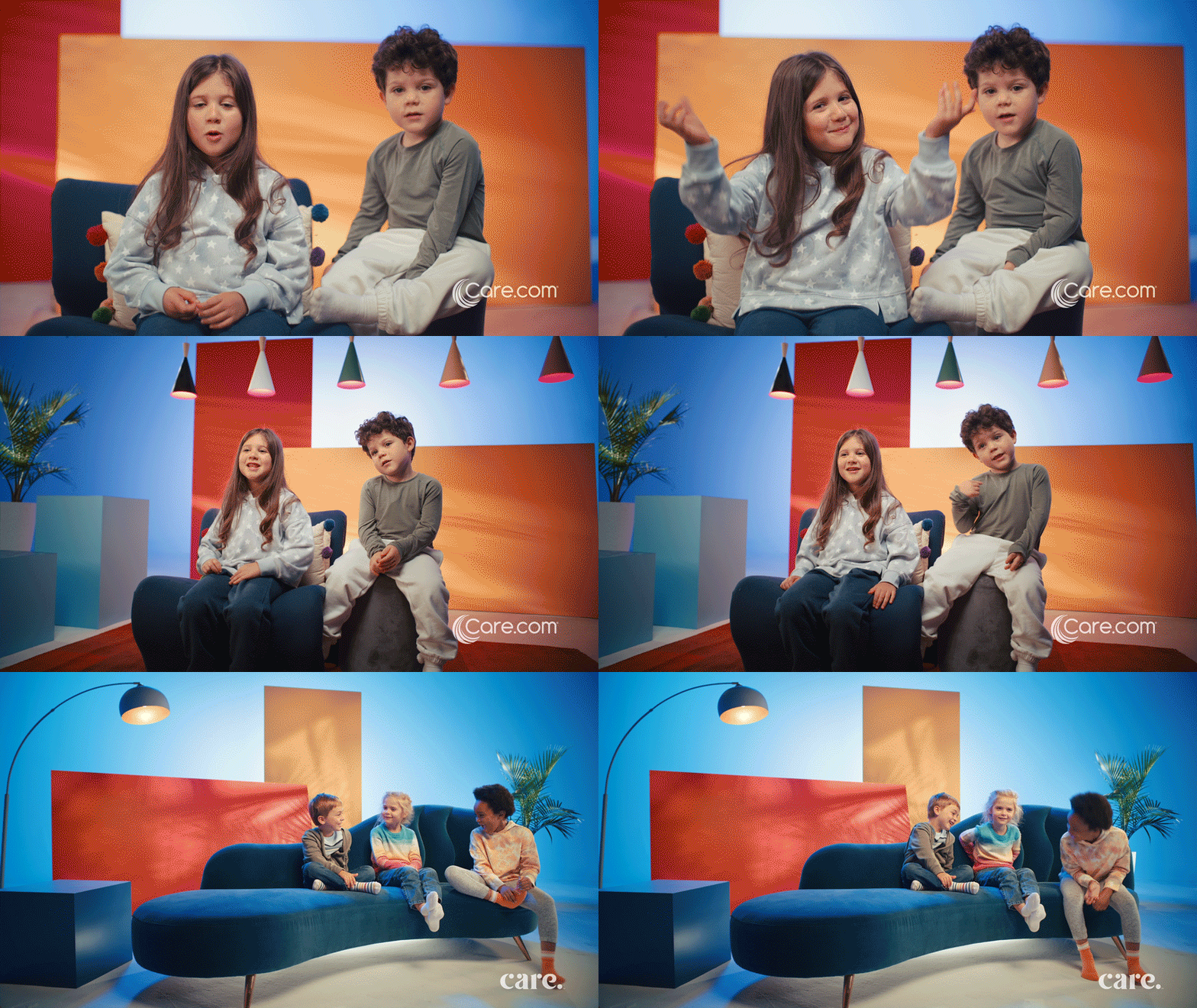
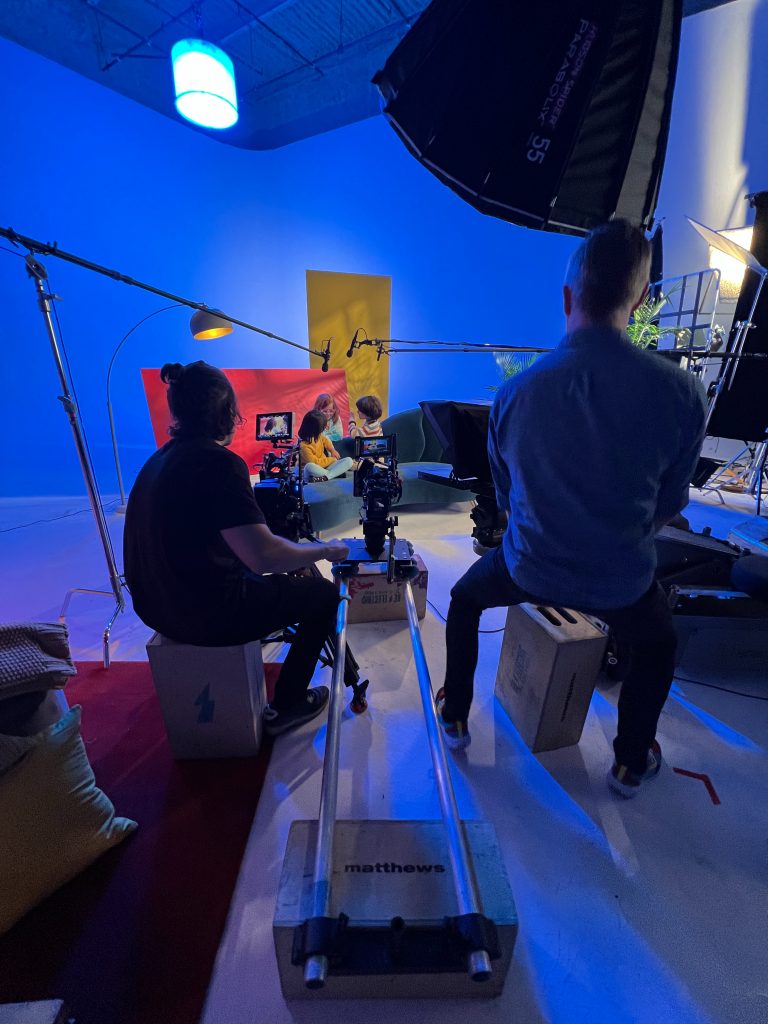
That kind of throughput, maintaining creative quality and emotional consistency across dozens of young performers over two full production days, is a logistics problem as much as a creative one. It requires a production team that can hold the infrastructure steady while the creative team stays loose and responsive. Most shops are good at one or the other. We’ve spent years learning how to do both at the same time, and this shoot was where it all came together.
There were never too many kids on set at once. We let them meet each other naturally and kept the day moving so nobody hit a wall. And here’s the part that still gets us. Throw four random kids together on an oversized couch for thirty minutes and by the end they’re besties. Parents in the holding area were swapping numbers to schedule play dates. And by day’s end, kids who had never met that morning were acting like they’d known each other for years.
That doesn’t happen because you willed it. It happens because the production took a back seat and the entire environment was built for one thing: let these kids cook. When that’s working, you’re not running a shoot anymore. You’re just watching magic.
Working with animals
You can’t out-plan a dog. You can only prepare.
We work with experienced trainers, design sets with animal comfort in mind, and always have bacon on standby. But sometimes the best footage comes from just letting them do their thing. And when a dog decides it’s done for the day, it’s done. There is no overtime negotiation.
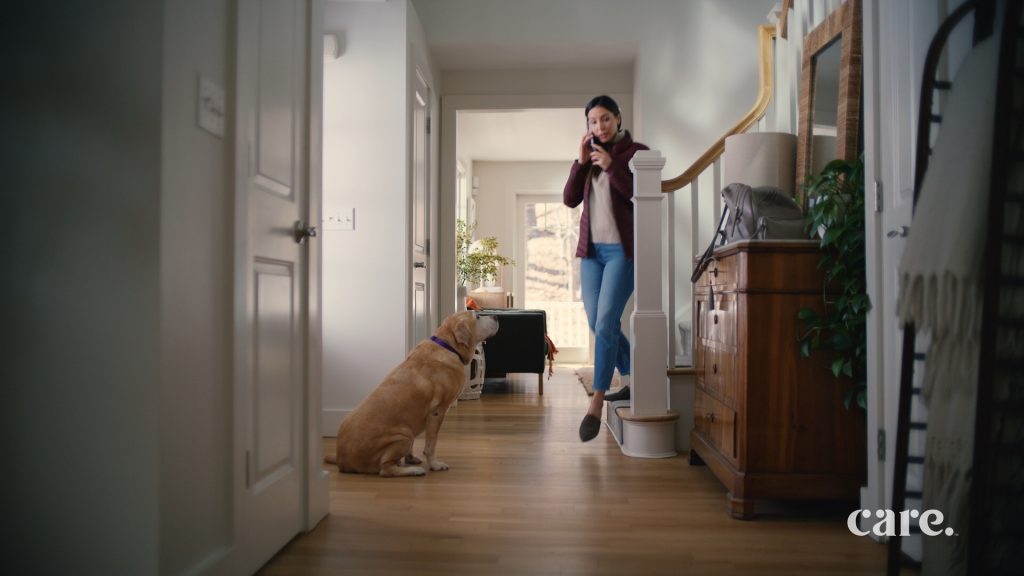
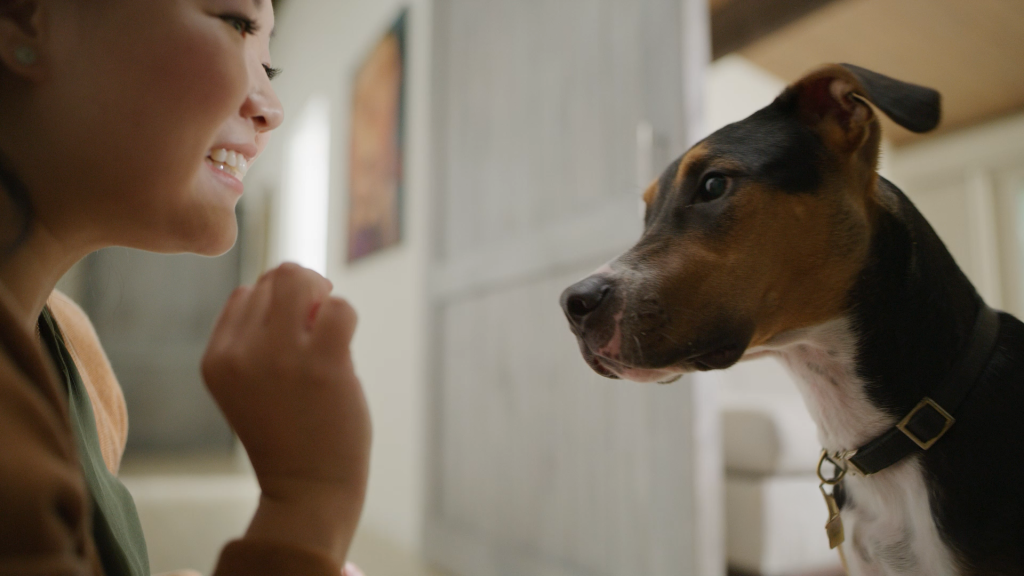
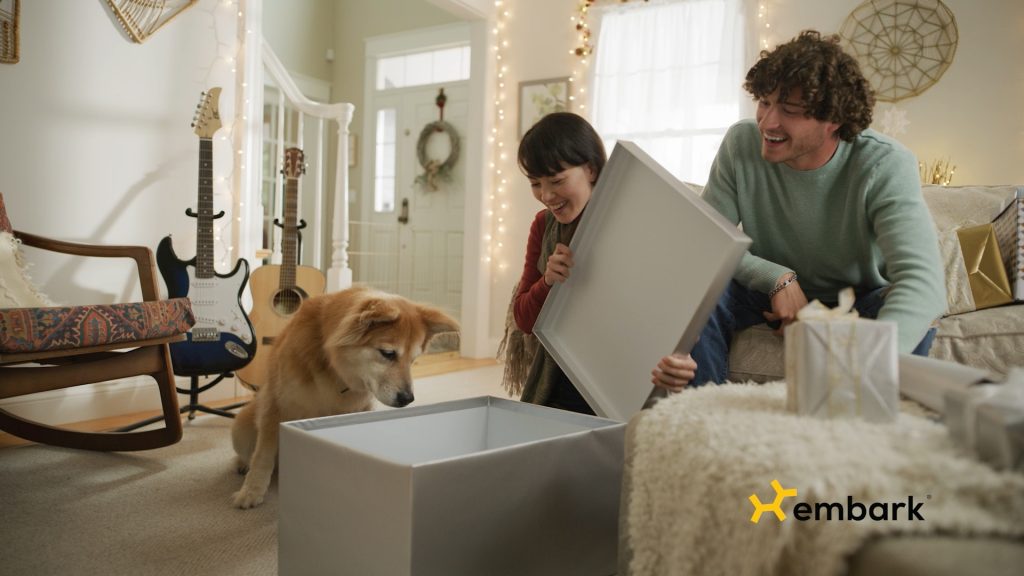

One of the trainers we work with has a system worth understanding, because it says a lot about the level of thought that goes into this kind of work when it’s done right. He doesn’t show up with just the talent dog. He brings a pack.
The first extra dog is there purely for morale. People love dogs. Everyone on a thirty-person set wants to pet the one they see. If the only dog on set is the one that needs to perform, that dog spends the whole day overstimulated by well-meaning crew members. The morale dog absorbs all of that attention and affection. The talent dog stays calm and focused.
The second extra dog is a trainee. A younger animal being brought to working sets specifically to get used to the environment. Twenty to forty people in a small space, light stands, cables everywhere, random loud noises, constant cross-department chatter. A person walking onto that kind of set for the first time would feel overwhelmed. A dog doesn’t have the luxury of rationalizing it. So you acclimate them gradually, across multiple real sets, before you ever ask them to work. That’s how you build reliable animal talent over time. That’s the difference between a great trainer and someone who just shows up with a dog and hopes for the best.
Things get more complicated when you’re working with kids and animals in the same scene, which is often exactly what the brief calls for. The tension is structural: the kid wants to engage with the animal, because that’s what makes the scene feel real. The trainer is trying to protect the animal’s focus and headspace. Those two goals don’t always point in the same direction. It’s a genuine balancing act, and the only way through it is patience and communication between the director and the trainer before anything starts rolling. When an animal simply isn’t feeling a shot, there’s no forcing it. You take a break, come back to it, and budget twice the time you think you need.
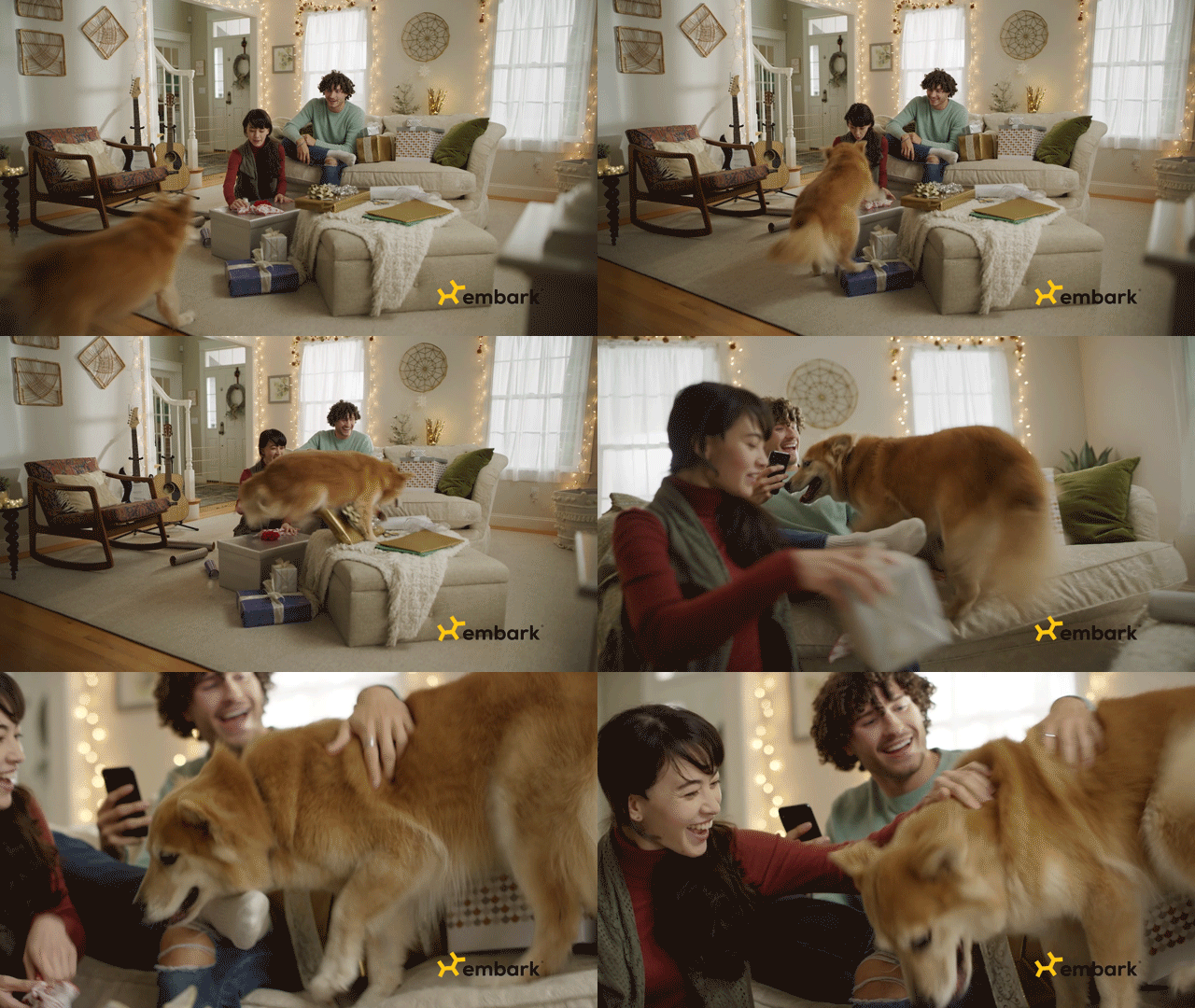
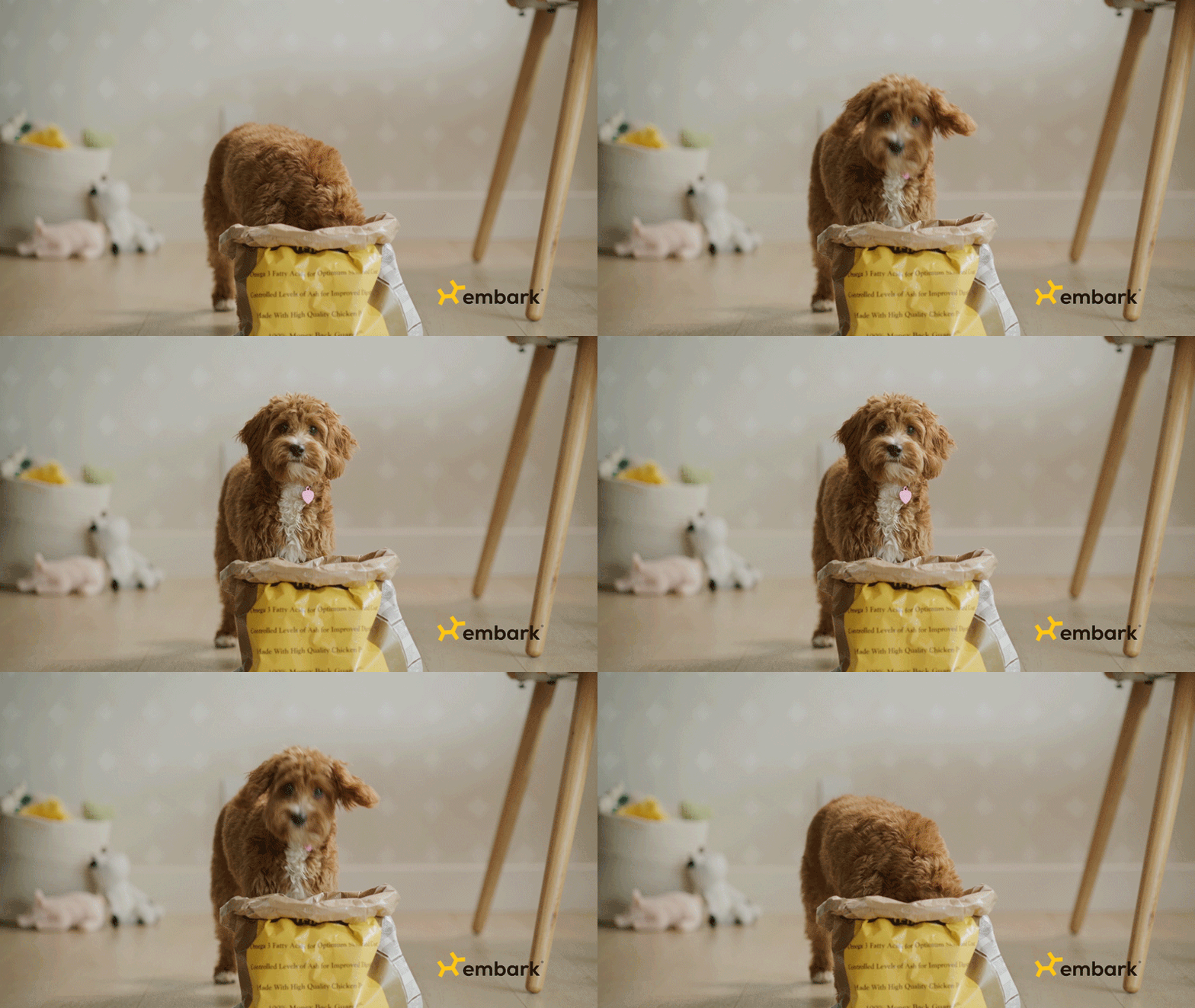
We shot a heartfelt brand piece for Embark where the coordination between handler, dog, talent, and camera became its own kind of choreography. Each scene was its own negotiation between what we needed and what the animals were willing to give us on any given take. The trainer brought a bonus dog just for the crew and kids to interact with between setups. A professional good boy whose only job was keeping everyone’s spirits up. It worked better than craft services. Whether it’s kids or animals, the footage is always a reflection of what the room felt like. When the room is warm and patient and a little bit loose, the footage has life in it. When the room is tight and stressed and trying to force something, the footage knows.
One of the more memorable shoots on the animal side was a Care.com spot built around a specific emotional premise: what a pet experiences when the family leaves for vacation. Chi Chi the cat played the family pet. The family packs, the kids say goodbye, and Chi Chi watches them go from the bed. Here’s the thing about cats. Everyone knows they do what they want. A dog will sit with you in a burning building, fully convinced that you’ve got it handled. A cat will watch from the window and judge your decision-making. It’s not a flaw. It’s just the deal.
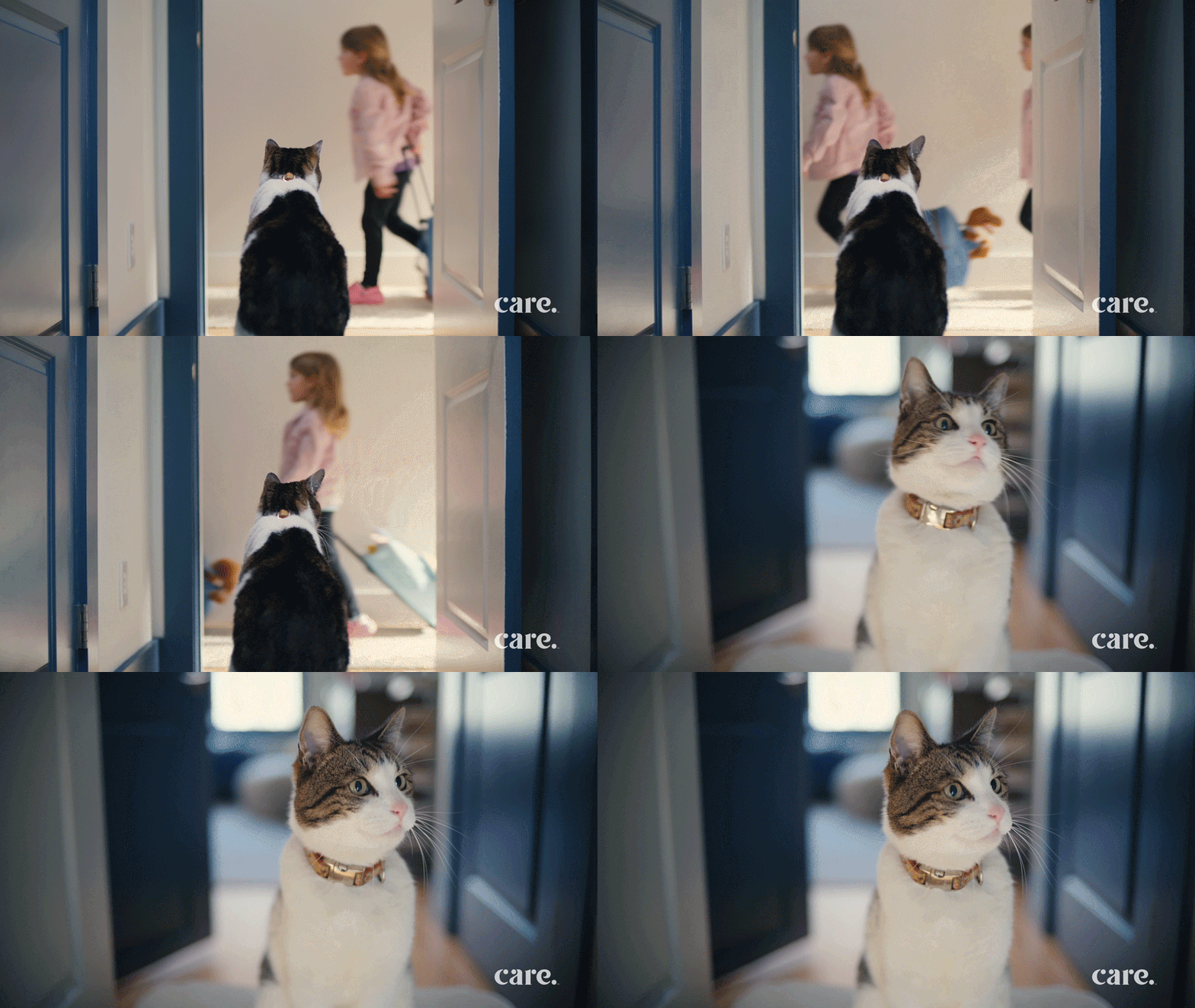
And it’s exactly what makes a trained cat on a commercial set such a rare and genuinely valuable thing. Chi Chi’s signature skill was “stay.” Put her down, she stays. Pick her up, she stays. Put her on a bed with a mother and two daughters furiously packing their bags because they’re late for the airport, and she stays. On a set where the whole point is a cat sitting still and looking forlorn while controlled chaos happens around her, that’s everything. We’ve heard Chi Chi described as the most-hired cat on the East Coast. Based on what we saw, we believe it.
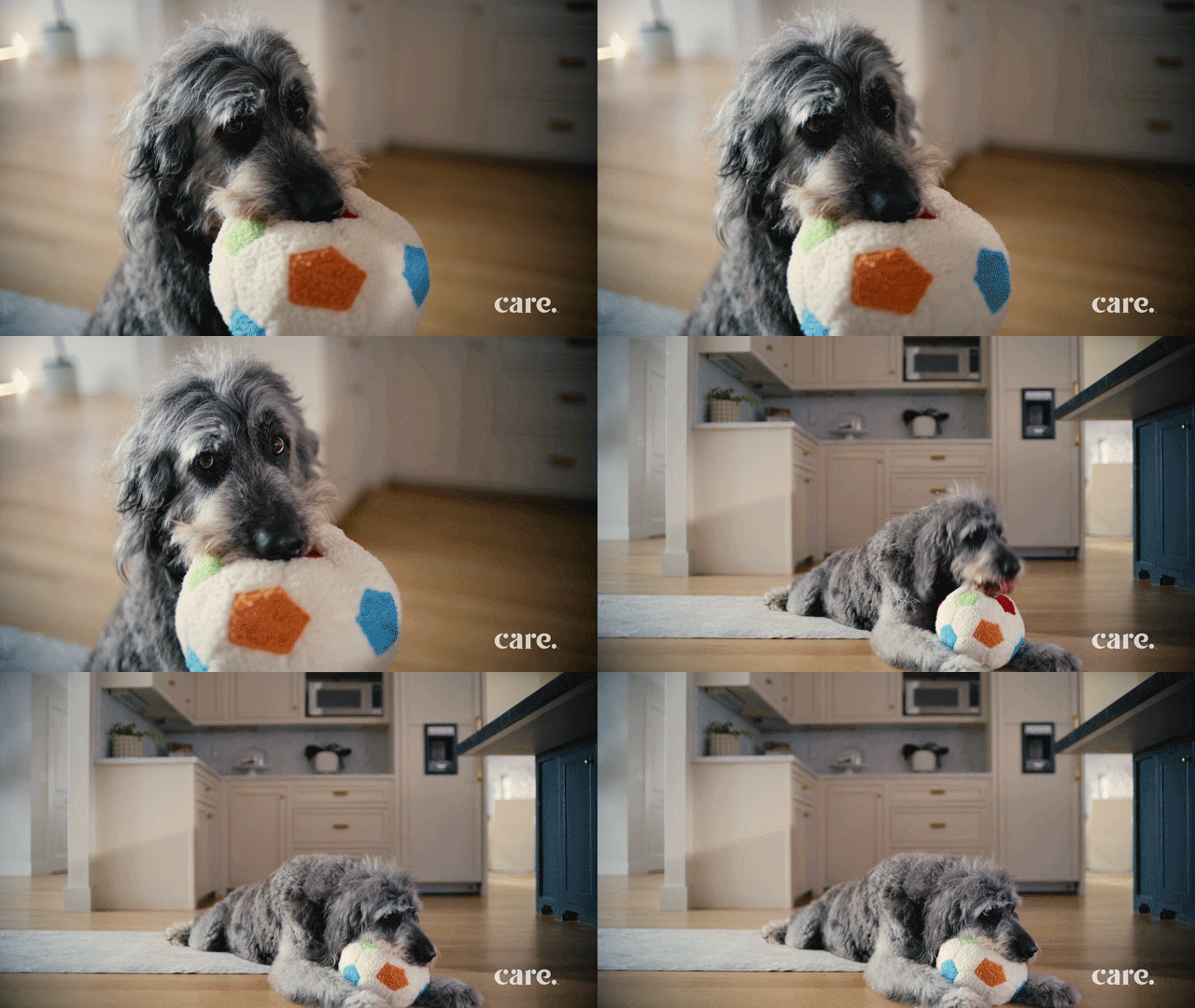

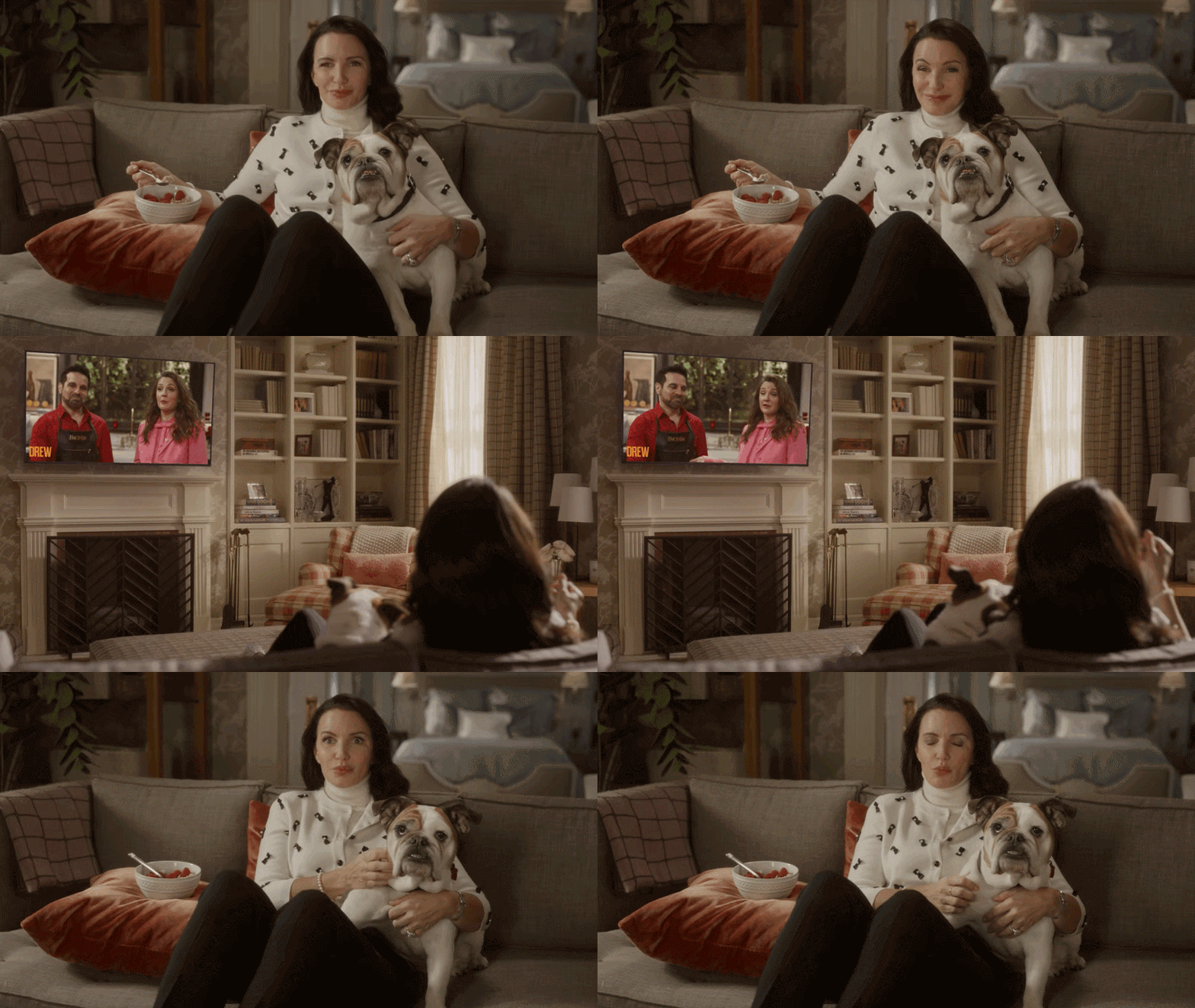
Also on that shoot: a Labrador and a senior dog who looked like he’d wandered straight off the set of Fraggle Rock. Both, and we say this with great affection for every A-lister we’ve ever shared a set with, were the easiest talent we’ve ever worked with. And speaking of seasoned animal performers, we once worked with Richard Burton, the legendary canine from Sex and the City. More on-set experience than half the crew, hit his mark every time, delivered each look with Emmy-worthy nuance, and made it very clear he expected top billing along with a side of steak tartare.
Real families are a beautiful, hot mess
You can’t manufacture family chemistry. But you can make space for it to show up.
Sometimes we cast real families. Sometimes we build them from scratch. Either way, the work is the same. Set the tone for relaxed, playful interaction, keep the cameras rolling, and pay close attention to what happens between the scripted beats. The script gives you structure. The good stuff lives between the lines.
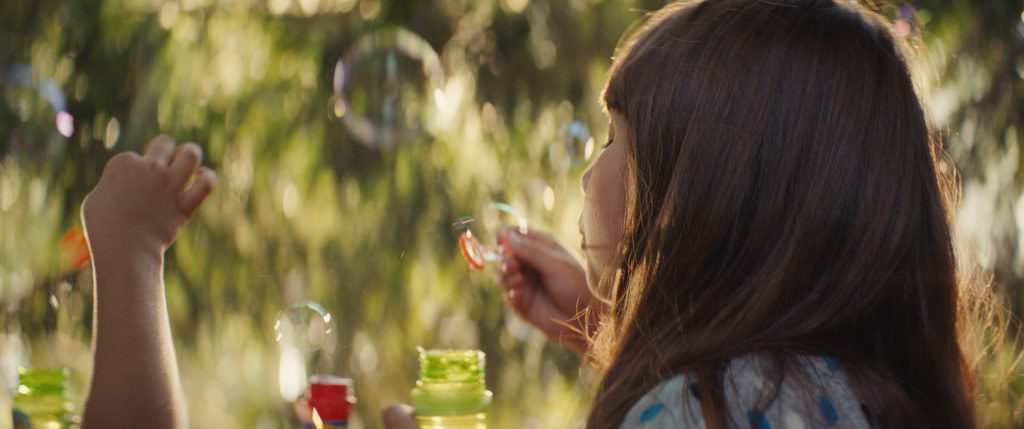
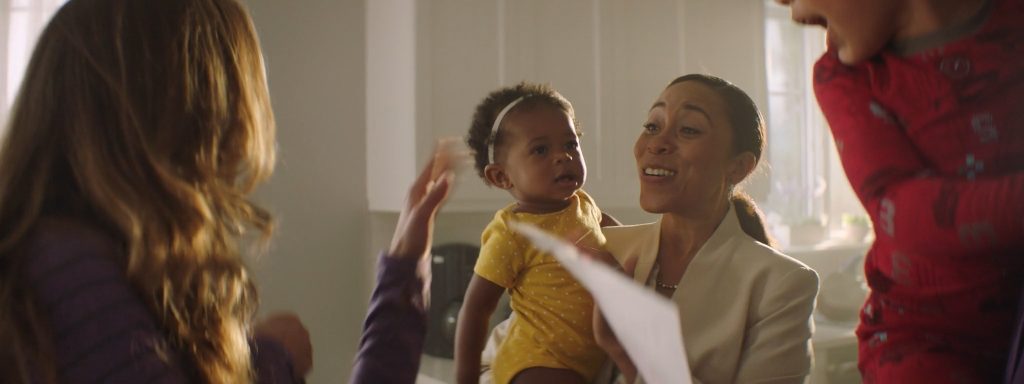
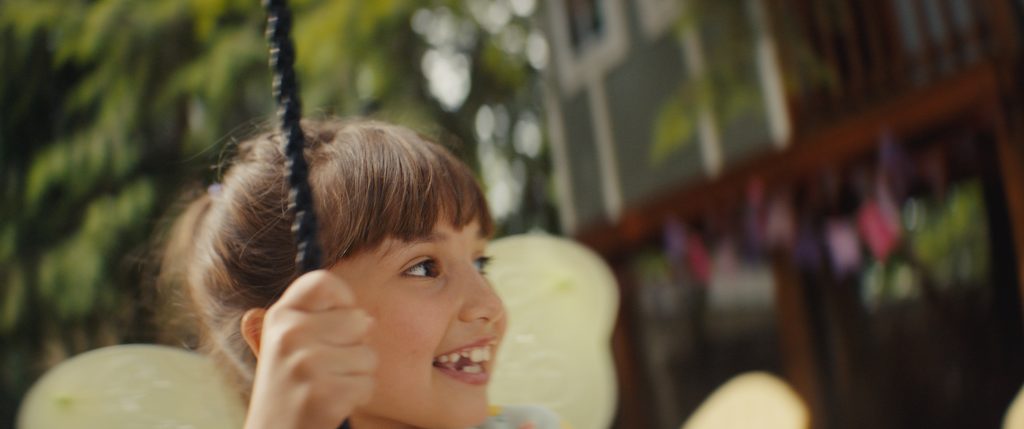

This is the part of our work where something interesting happens. The skills start to overlap with the kind of observational, watch-and-wait instincts you’d normally associate with non-fiction filmmaking. You’re watching. You’re listening. You’re following the energy in the room rather than imposing your own. You’re trusting that what’s real will be more compelling than what’s rehearsed. We do a good amount of documentary-style branded work at NewLeaf, and those muscles naturally carry over into our commercial family and lifestyle shoots. The patience, the ability to recognize an emotional beat and protect it all the way through post, the comfort with material that’s unscripted and a little messy. It all transfers.
It also helps that we handle production and post under one roof. On a lot of productions, the team on set and the team in the edit room are different people. That means the editor cutting the spot wasn’t there when a kid did something extraordinary between takes three and four. They don’t know that take seven, the one that looks slightly messier, was when the kid stopped performing and started being herself. We don’t have that problem. The people who were on set, who felt the room, who saw what happened, who know why a particular take matters, are the same people making editorial decisions. In this kind of work, that’s the difference between coverage and a moment.
We saw this most clearly on one of our larger family-based campaigns that asked for warmth and nostalgia. Two of the hardest things to manufacture on a set. So we didn’t try to. We cast real families. Actual parents, actual kids, actual dynamics that had been forming for years before we showed up with cameras. Our job wasn’t to create connection. It was to recognize it when it showed up, make sure the camera was pointed in the right direction, and have the patience to keep rolling long enough for the real stuff to surface.
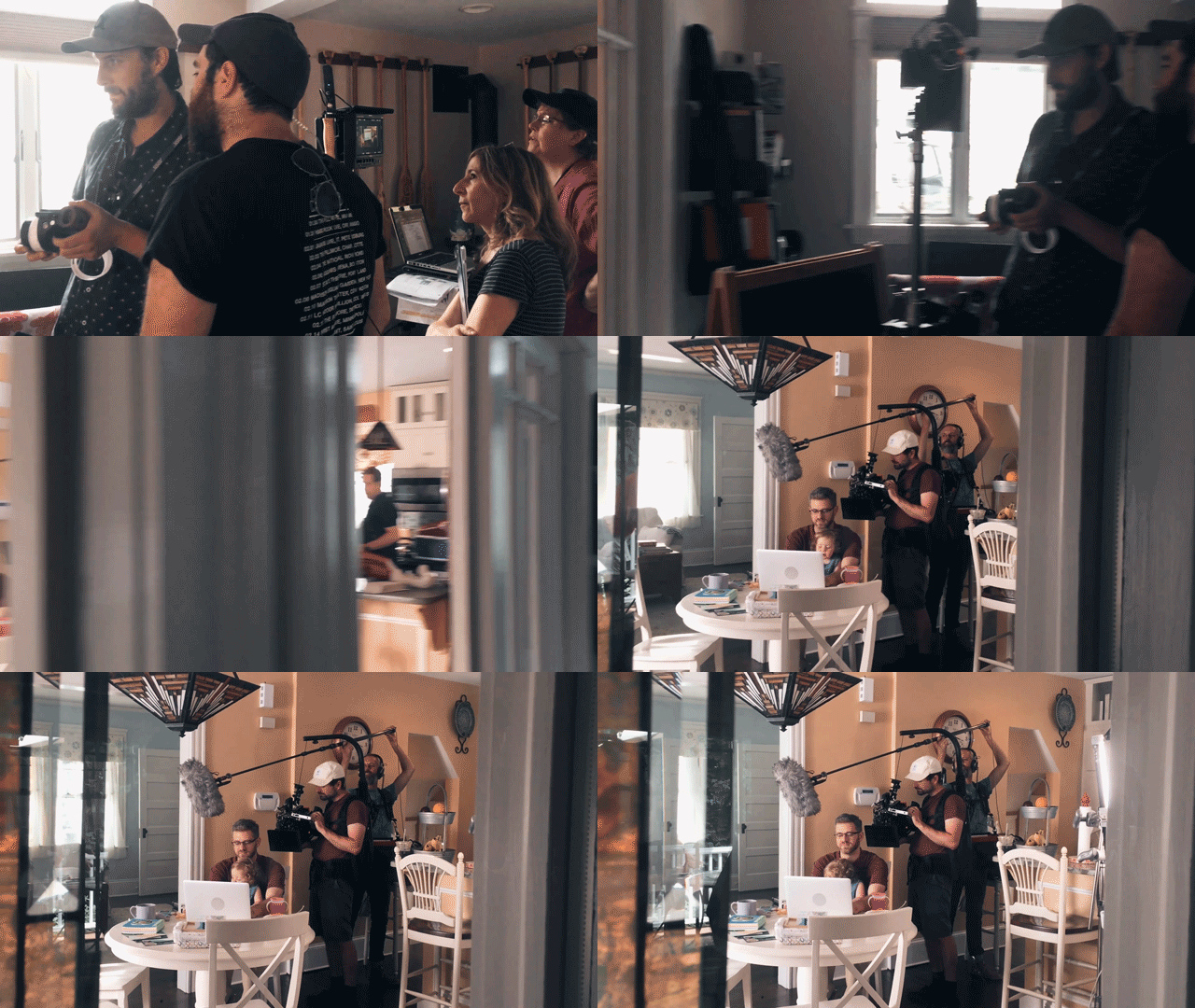
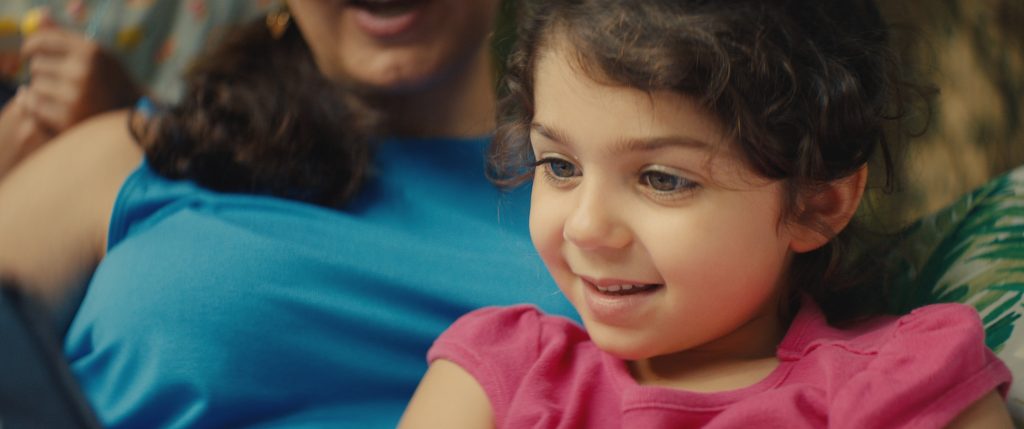
What made that work land wasn’t one single moment. It was the accumulation of small ones. A parent instinctively reaching for a kid mid-conversation, not because anyone asked them to but because that’s what they do. A look between a caregiver and a child that wasn’t on any call sheet. Unscripted laughs that made it into the final cut because they were better than anything we could have written. Nobody planned any of it. It just happened because the people in front of the camera were exactly who they said they were, and because the people behind the camera knew what they were looking at.
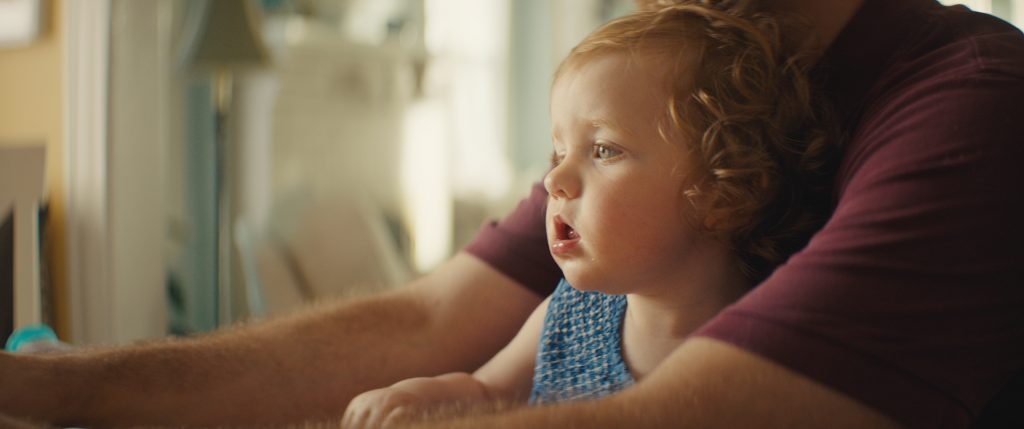
A big part of why those moments surfaced comes down to something that’s easy to overlook. The crew’s energy. We’re not standing off to the side observing through monitors. We’re in it. Playing games with the kids between setups, joking around with the parents, helping everyone forget there’s a camera in the room. By the end of the shoot, the line between crew and cast starts to blur. That’s not an accident. It’s the goal. When people feel like they’re part of something rather than being filmed by something, the footage changes. The guard drops. The performance disappears. And what’s left is just people being themselves, which is the only thing the camera was ever looking for.
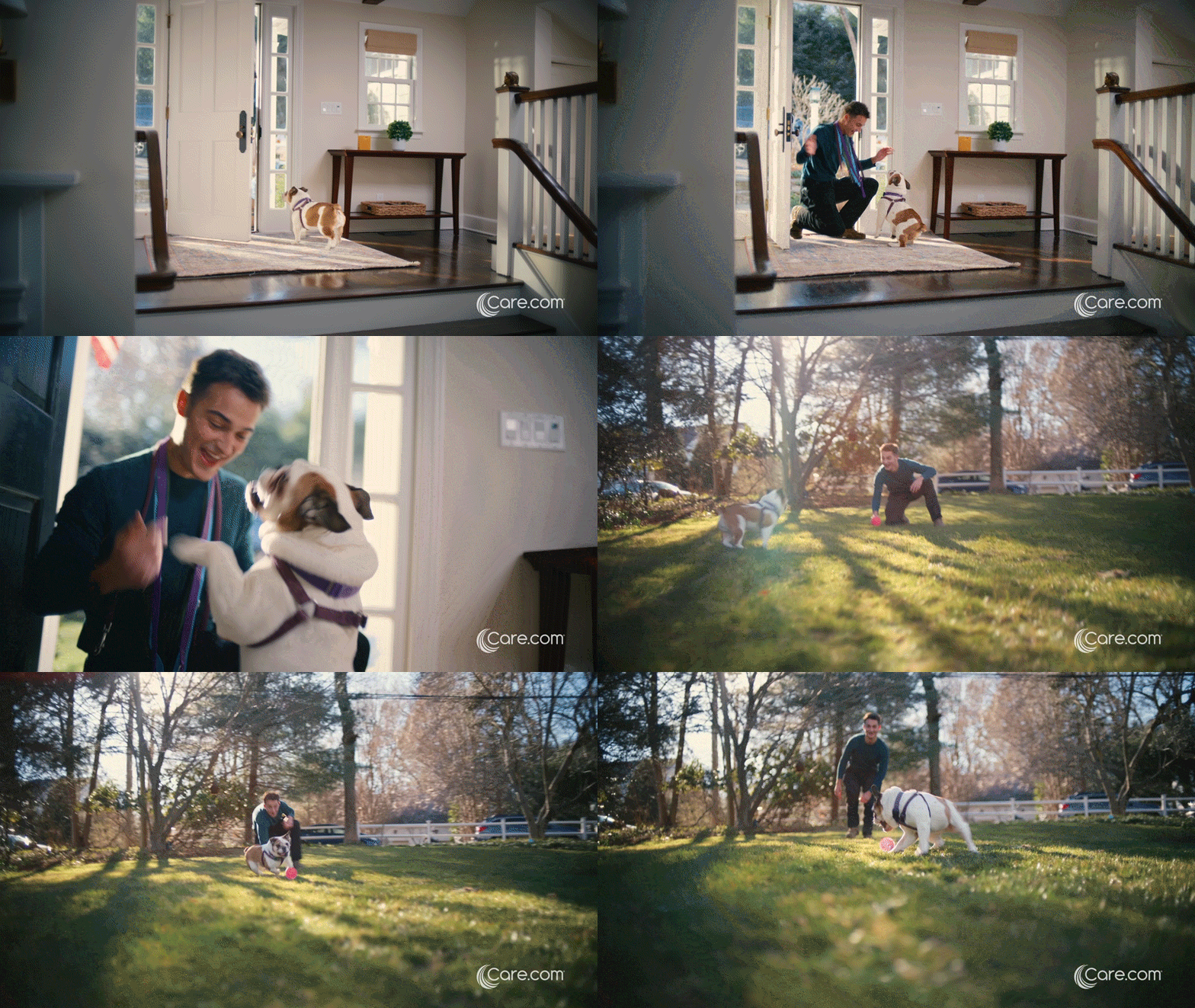
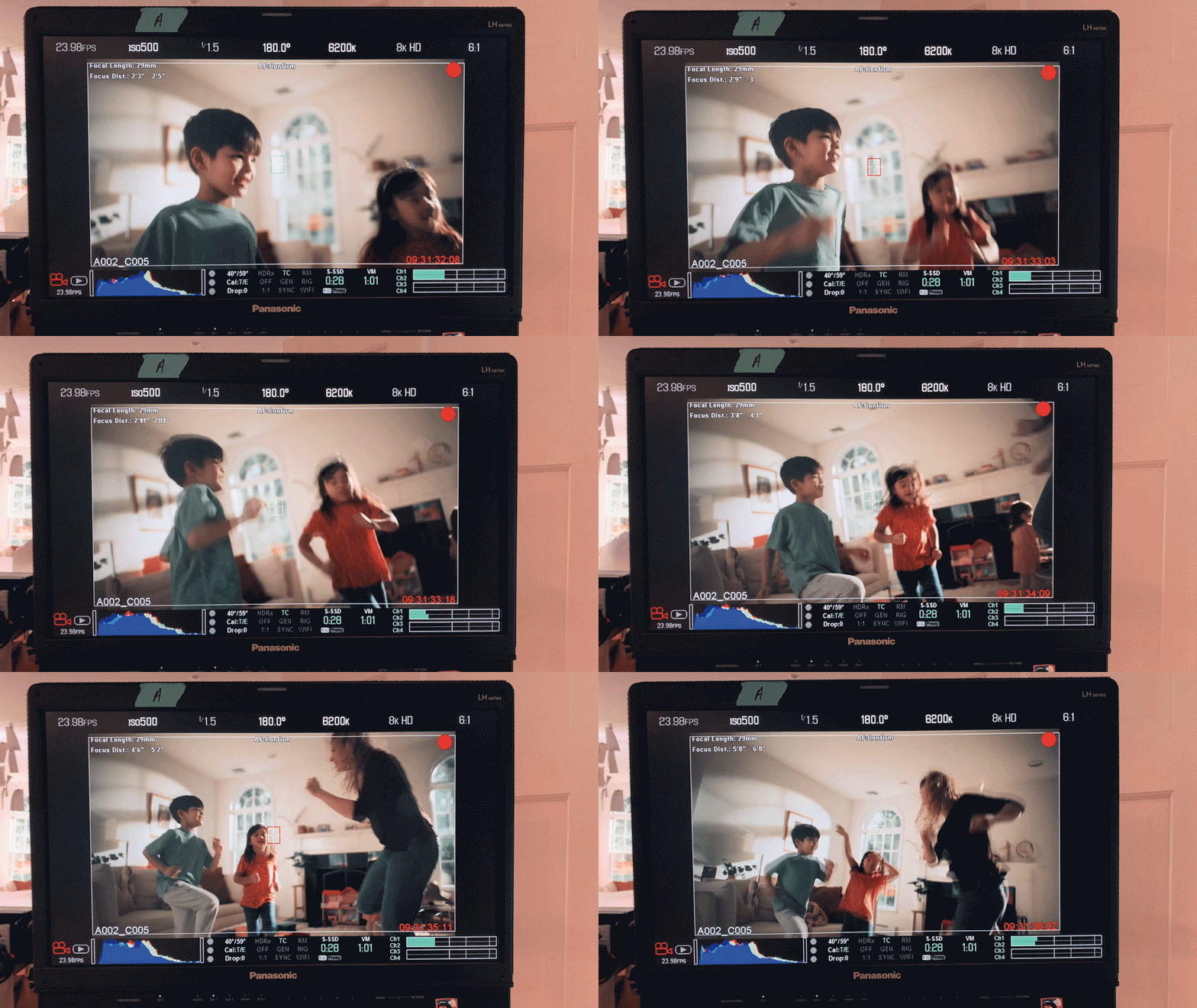
Another Care.com spot pushed this even further. The brief had a specific emotional target: that feeling when a parent walks through the door after a long day and their kid loses their mind with joy. Home. A reset. A reward. Anyone who’s lived it knows exactly what it feels like, and that’s what makes it both a gift and a trap to film. If the audience has felt the real thing, they’ll know instantly if what they’re watching is fake.

You can’t manufacture your way to that feeling. If the energy in the room isn’t already there, the camera is going to make you a liar. So we built toward it all day. We spent hours with the kids before we ever rolled on the reunion. Swinging on swings, making up games, running around, fully in it. The parents weren’t on set. It was just us and the kids, and we were burning through an entire day of production time on footage that would never appear in the final spot, knowing that none of it was wasted. By the time we got to the payoff shot, the kids weren’t performing a homecoming. They were ready for one. In a way, we’d spent the whole day making them miss somebody.
So when the parents walked through that door, it wasn’t acting. It was release.
What this kind of work has taught us
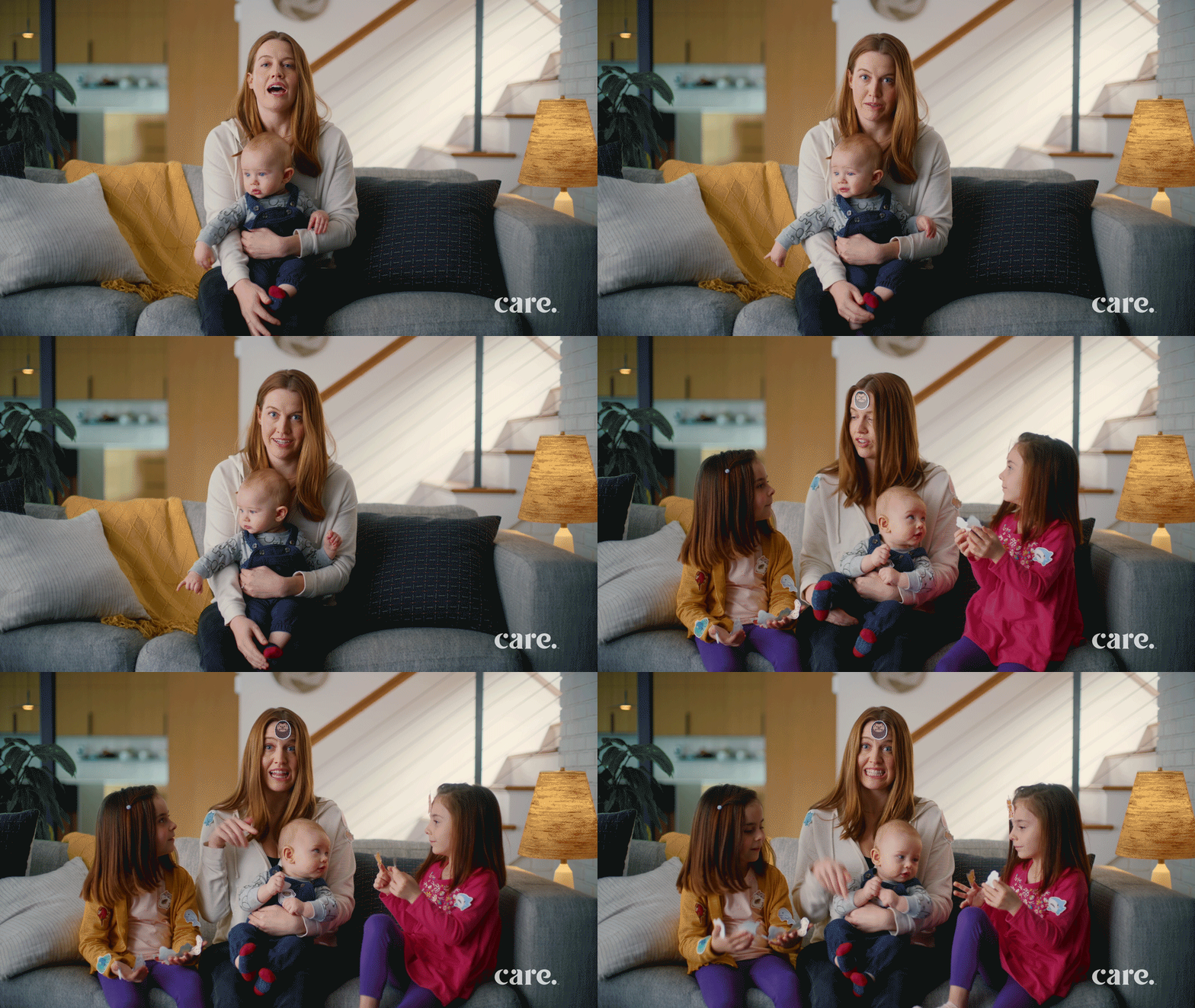
Looking back across these projects and the many others we haven’t mentioned here, a few things have become clear.
The most important skill in this work isn’t technical. It’s environmental. The ability to build a room that feels safe, warm, and a little bit fun, for kids, for animals, for real families, for clients, is what determines whether the footage has life in it or not. Everything else is downstream of that. Lighting, camera work, direction, editorial instincts. All of it matters, but none of it matters if the room is wrong.
Preparation and flexibility aren’t opposites. They’re partners. The shoots that look loose and spontaneous from the outside are almost always the ones that were planned most carefully. You build the structure tight enough that when things break (and they always do) you can absorb the disruption without losing the day. The calmness on set isn’t the absence of problems. It’s the presence of solutions that were thought through before anyone showed up.
Recurring creative partnerships change what’s possible. Some of the best work we’ve ever done came from relationships that had years of trust behind them. Our longest-running client relationships didn’t just produce more spots. They produced braver ones. Each engagement built on the last, and the trust that accumulated over time gave everyone room to push further than any maiden voyage ever could. That kind of creative compounding doesn’t happen by accident. It’s one of the most valuable things a production team can offer, and one of the hardest to replicate.
So, let’s sum this all up. We’re commercial filmmakers who specialize in family, kids, and pet-driven content. That’s not a niche we stumbled into. It’s a discipline we’ve built deliberately, over many years and hundreds of shoot days, because we believe this kind of content is one of the most powerful tools in a brand’s arsenal and one of the hardest to execute well. The fluency in family and lifestyle work. Full production-through-post capability housed under one roof. A team that’s been doing this together long enough that the shorthand is real, it’s more about looks than words. The scale to execute at an agency level and the creative instincts to capture what’s unscripted. That combination is what we’d put up against anyone.
The kids who make the best spots aren’t the most obedient ones. The dogs who make the best footage aren’t the most perfectly trained. The families who give you the most honest material aren’t the ones who perform for the camera. In every case, the magic comes from the same place. People and animals being themselves, in a room that made it safe to do so.
That’s the work. That’s why we do this.
So if you’re a creative director, agency producer, or brand leader looking for an agency-level production partner that truly specializes in the beautiful chaos of family, kids, and pet content, and has the infrastructure, the instincts, and the team to deliver it at scale, we’d love to make something real with you.