What a week in the Arizona desert revealed about mutual trust, mid-shoot pivots, and long-term creative partnerships.
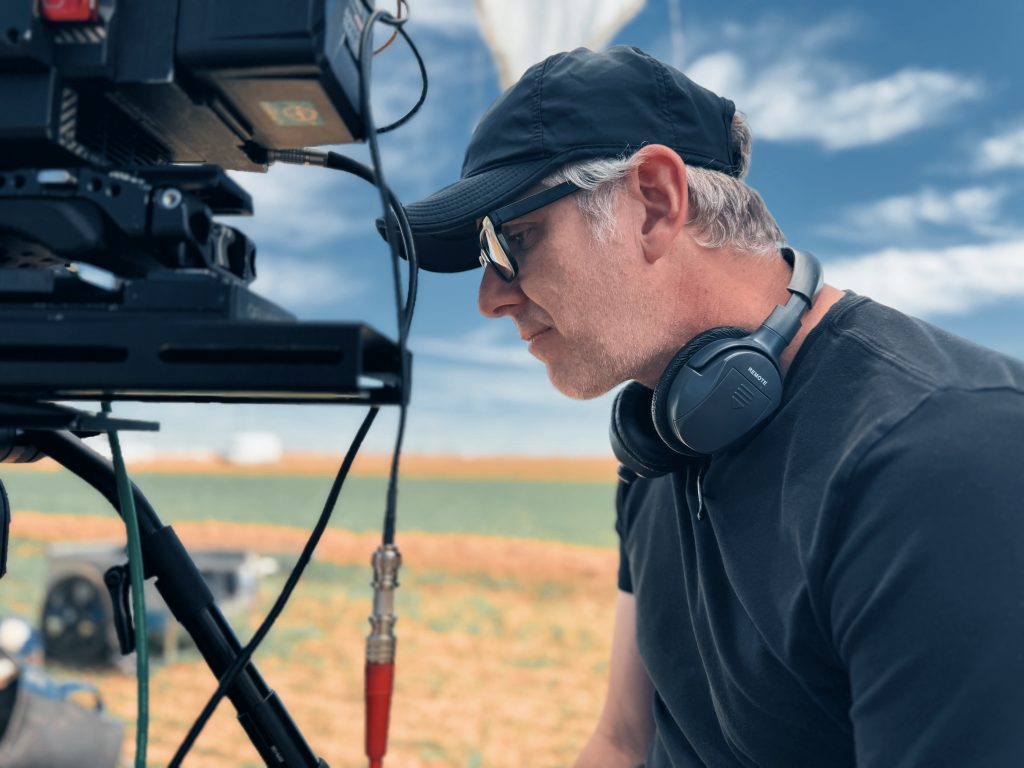
By Nathaniel Hansen, a frequent NewLeaf collaborator
I’ve been making work with NewLeaf for a long time now. In 2010, Lee Strauss, one of NewLeaf’s co-founders, composed nearly fifty minutes of stunning, deeply emotional music for my first feature film, The Elders. Not long after, Lee and NewLeaf co-founder Pat Brysh asked me to work with them to film more than twenty commercials for Care.com. We’ve spent thousands (and thousands) of hours together across high-stakes commercial and branded documentary projects for major brands and global organizations, and most recently they’ve been with me every step of the way on my latest feature documentary, A Second Movement.
At this point, what we have is far deeper than a casual creative collaboration. It’s a relationship built over fifteen years of shared work, long days, difficult problems, international travel, trust, friendship, and a deep understanding of how each of us thinks and moves. That kind of history changes what is possible on a shoot. It creates the confidence to stay open, adapt quickly, and follow the story when it starts asking for something other than what was on the page.
Lee and Pat invited me to look back on one of our most ambitious projects to date, a months-long collaboration in Arizona for a hundred-year-old heritage food brand. What follows is both a reflection on storytelling and a set of hard-won lessons from the field, shaped by a partnership built over many years on trust, respect, and shared instinct.
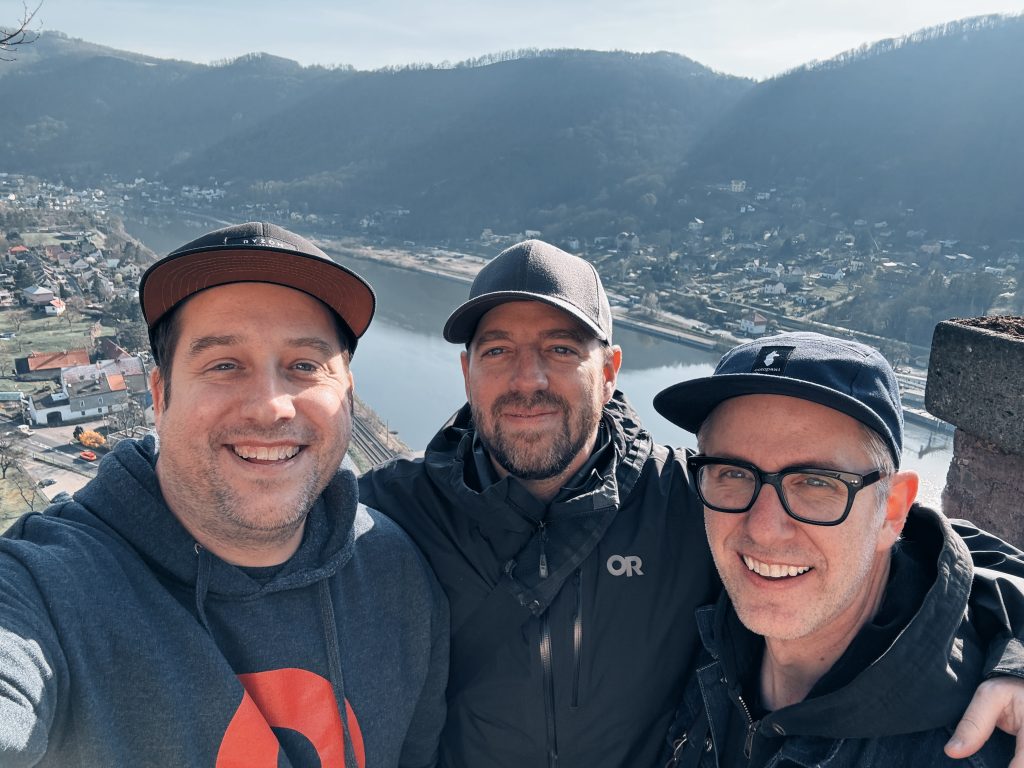
On Storytelling
“There have been great societies that did not use the wheel, but there have been no societies that did not tell stories.”
— Ursula K. Le Guin, The Language of the Night (1979)
I’ve always loved this quote by one of my favorite science fiction authors. I’m not sure I’ve come across one that better captures the impact and importance of this most basic human activity. And despite how loosely “storytelling” gets thrown around these days, the thing itself still matters.
When my children were younger, my filmmaking work had me regularly traveling to far-flung places. Every time I’d come home, I’d hear the same refrain: “Where were you!? What did you do? What did you eat? Tell us a story about your trip!” As they got older, the question shifted to: “Dad, tell us about that time you…”. Bedtime and dinner table alike, sharing stories and retelling them was an essential part of how our kids learned about the world around them, and our place in it.
As filmmakers, storytelling is the very essence of what we do creatively and professionally. If you boil down our work as writers, producers, directors, cinematographers, composers, editors, etc., every single department is working toward the same shared goal: to produce the most memorable, the most meaningful, the most impactful stories we can. And from a more business-focused point of view, our “job” as commercial filmmakers is to help clients, brands, organizations, and individual partners shape and share their stories in a way people actually want to engage and share.
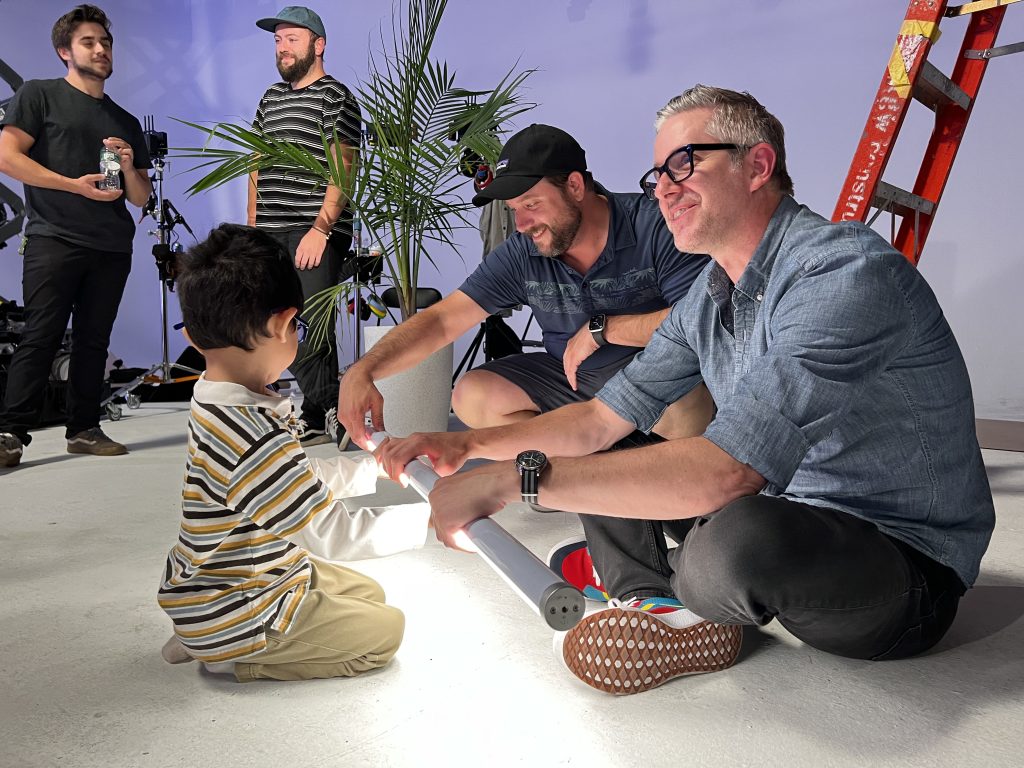
Brand Storytelling
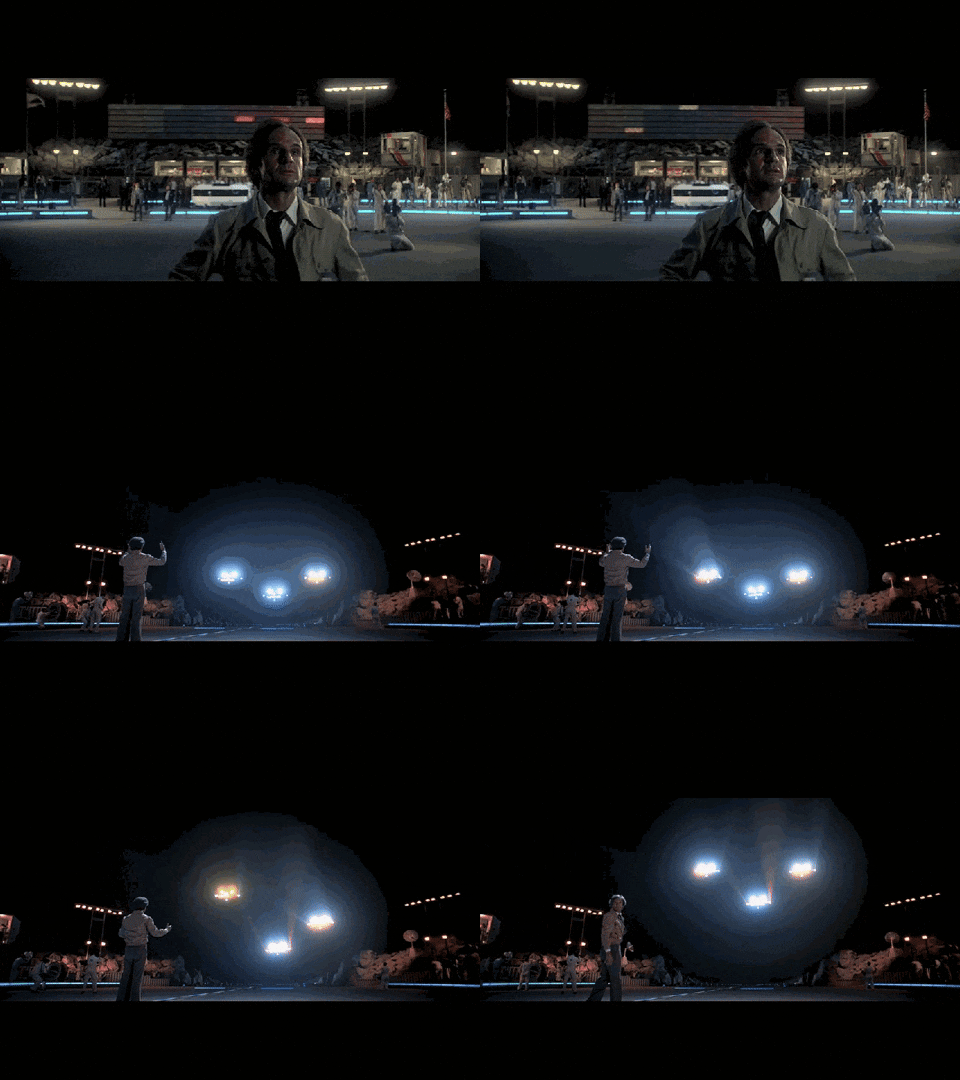
Famed filmmaker Alfred Hitchcock told François Truffaut that “in the documentary the basic material has been created by God, whereas in the fiction film the director is a God.”
I’ve carried some version of that quote around for years because it names something I’ve learned the hard way. In non-fiction, some of the best moments are never planned. They show up when someone says the unexpected thing, when a location gives you more than you could have designed, when the story takes a left turn and you have no choice but to follow it.
At the same time, it’s clarifying. In documentary, you’re not in control of the story in the same way you are on a commercial or fiction set. In fiction, you can control almost everything inside the frame. Things still change and improvisation happens, but you are largely shaping the world. In documentary, the job is different. The greatest strength a director and creative team can have is the humility to follow what’s real once it reveals itself, and the courage and confidence to keep adjusting without forcing it back into the original outline.
That idea can scare off even the most seasoned CMO or creative director, because it can sound like surrender, or at the very least like we’re leaving everything up to chance and will just “get what we get.” In practice, it’s the opposite. It’s a different kind of control. Less message-first, more commitment to listening, then shaping what you find into something people actually take the time to watch, reflect on, and, best case, share.
We’ve talked about this for years: branded documentary work can sound almost too subtle on paper, but in practice it really does land. When it’s done well, it builds trust, memory, and emotional connection in ways a lot of louder marketing simply can’t.
The Numbers
Commercial producer/director, and Academy Award winning documentary filmmaker Ben Proudfoot of Breakwater Studios put it more bluntly, in the context of short documentary: “Short documentary is where you will find the highest ratio of investment to impact.”
And there’s some actual measurement behind why this short non-fiction format can punch so hard above its weight. Nielsen’s norms show branded content delivering 81% aided recall, compared to 63% unaided recall.
Then there’s the trust-factor. A MAGNA study found that when brand trust increases by just one point, purchase intent increased 26% to 36%, depending on category.
And this isn’t theoretical. In dentsu’s 2026 CMO Navigator, 38% of marketing leaders reported investing in the production or sponsoring of original documentary content. In other words, documentary is already a mainstream brand play, especially in categories you wouldn’t normally think of as “film companies.” (Source: dentsu, CMO Navigator: Rethinking Marketing in the Age of AI (Media Edition), Jan 2026, p.39)
To that end, the impact of brand storytelling isn’t just a creative hunch.
What is Brand Storytelling, really?
When I say “brand storytelling,” I’m not talking about a brand telling the audience what to think. I’m talking about the brand putting real people and real processes on screen, and letting the meaning land through observation, not advertising claims. The old marketing adage couldn’t be more apt: show, don’t tell.
These documentary “brand” stories can take a lot of forms. Sometimes it’s intimate and character-driven. Other times it’s about craft, problem-solving, and how something gets made. Sometimes it’s about overcoming challenges, even failure. Either way, the brand can be present in a supportive role, in the background, rather than starring center stage. The common thread is that it’s grounded in reality, and it respects the viewer enough to not have to “sell it.” Viewers might be distracted, but they’re not dumb, at least when it comes to their consumption of media. The research world calls it persuasion knowledge, basically our learned ability to spot an influence attempt and decide how much we trust it.
Even for more traditional, numbers-driven CMOs, it’s worth taking this “soft-touch” format very seriously. It can land harder than a lot of louder marketing forms, mostly because it’s doing something different. It’s not just chasing short-term likes, it’s building lasting trust, memory, and credibility that can long outlive a narrow campaign window. Yes, you can measure pieces of it, recall, intent, brand lift, but there’s also a less tidy layer that I’ve heard described as return on engagement.
And that “return on engagement” idea is getting more concrete. The Journal of Marketing has published research explicitly framed as “Return on Engagement Initiatives,” treating engagement as something you can study and tie to outcomes.
Global marketing analytics group Kantar says they’ve validated that more creative attention generally drives stronger outcomes.
Additionally, unlike a lot of campaign work, brand documentaries can be surprisingly evergreen. They get repurposed and they keep finding people months, sometimes years later. And almost by accident, the process tends to generate a lot of extra fuel in the form of cutdowns, stills, BTS, little moments and soundbites you never could have scripted. Social teams love it, but you have to plan for how best to harvest, manage, and distribute these assets or it can be overwhelming.
The catch, because there’s always a catch, is that trust (over likes) is very difficult to manufacture. It has to be earned, and earning it requires a willingness to listen and observe, not just broadcast. The good news is that observation is non-fiction and documentary storytelling’s superpower.
Planning, pivots, and why documentaries break the outline
But none of this just happens. Documentary only looks loose from the outside but we plan like hell so we can pivot when plans change, or break. And it will break.
“Plans are worthless, but planning is everything… The very definition of ‘emergency’ is that it is unexpected, therefore it is not going to happen the way you are planning.”
— Dwight D. Eisenhower, Remarks at the National Defense Executive Reserve Conference, November 14, 1957. (The American Presidency Project)
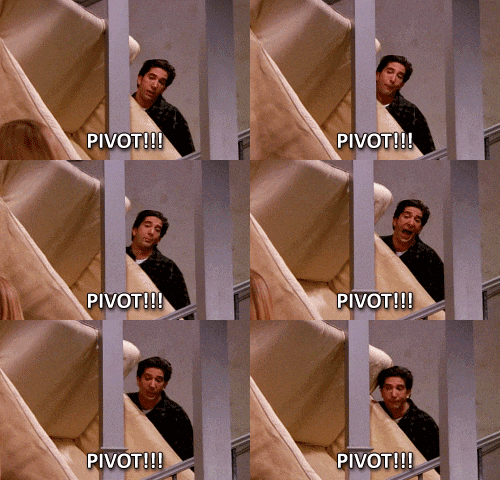
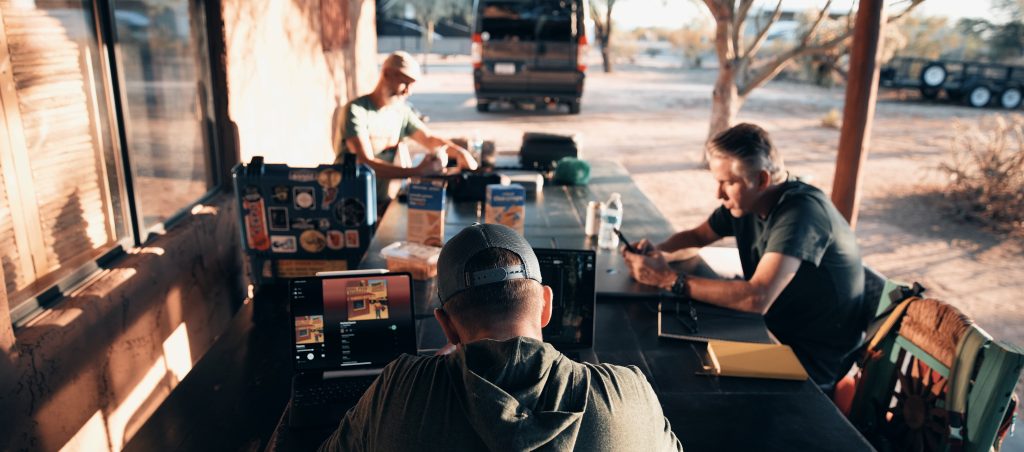
What does this look like in practice?
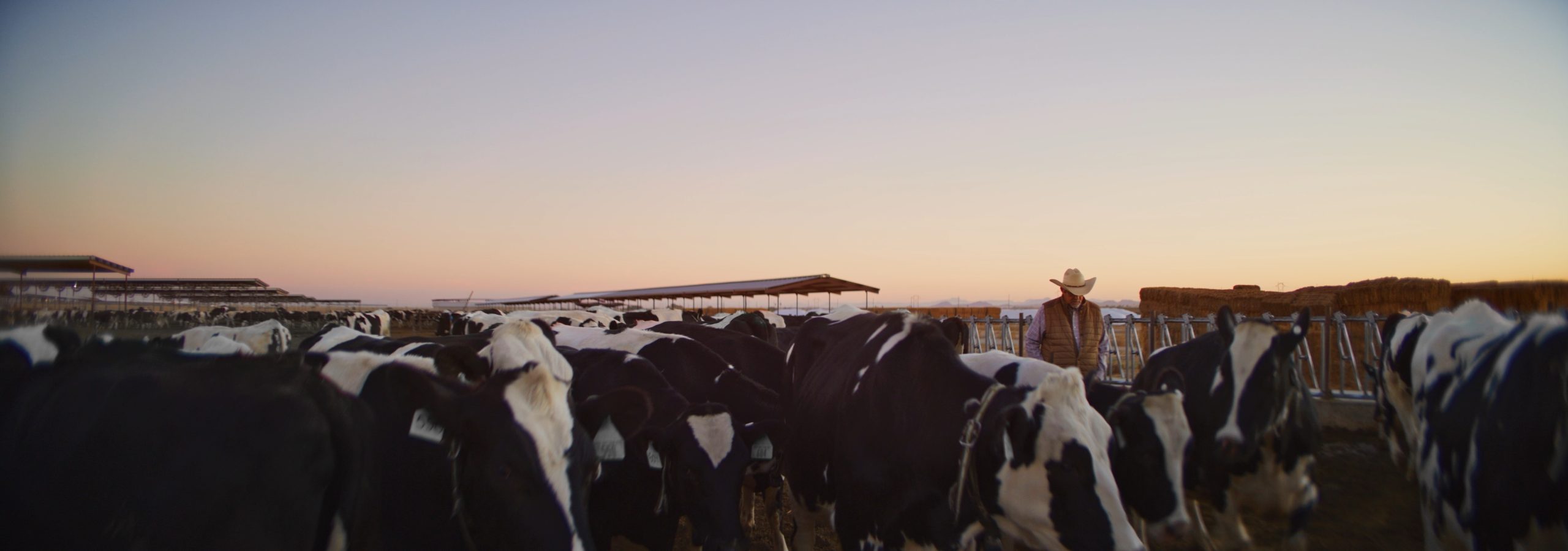
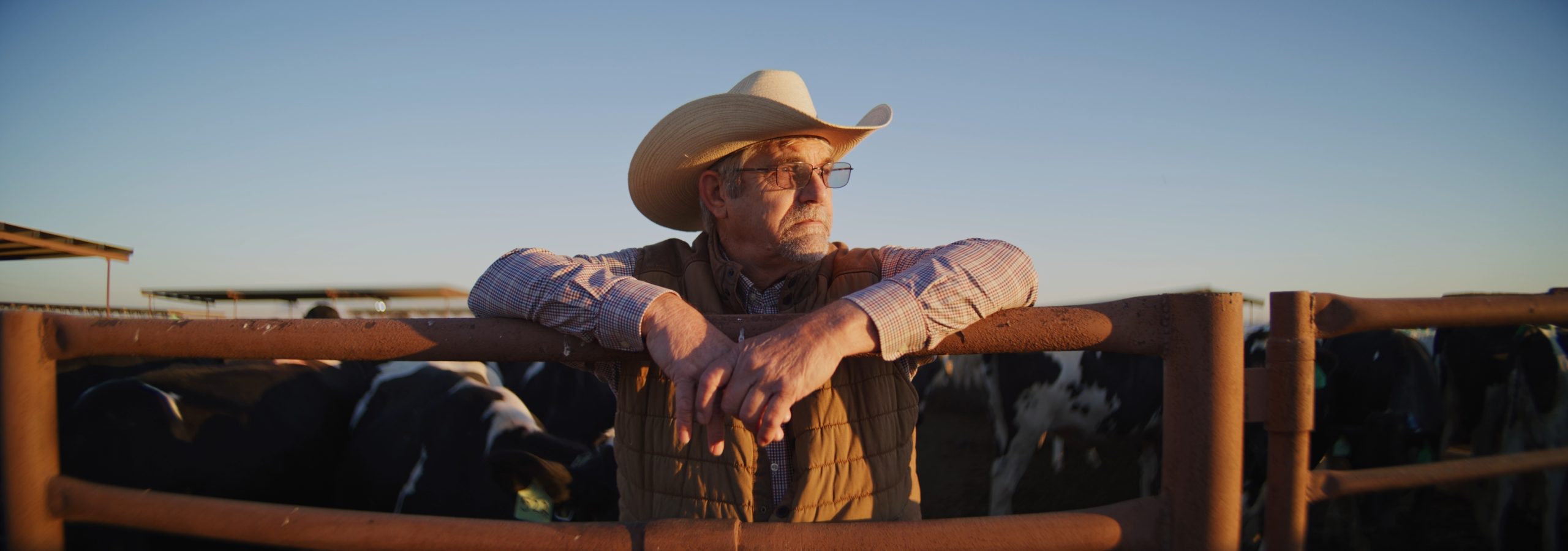
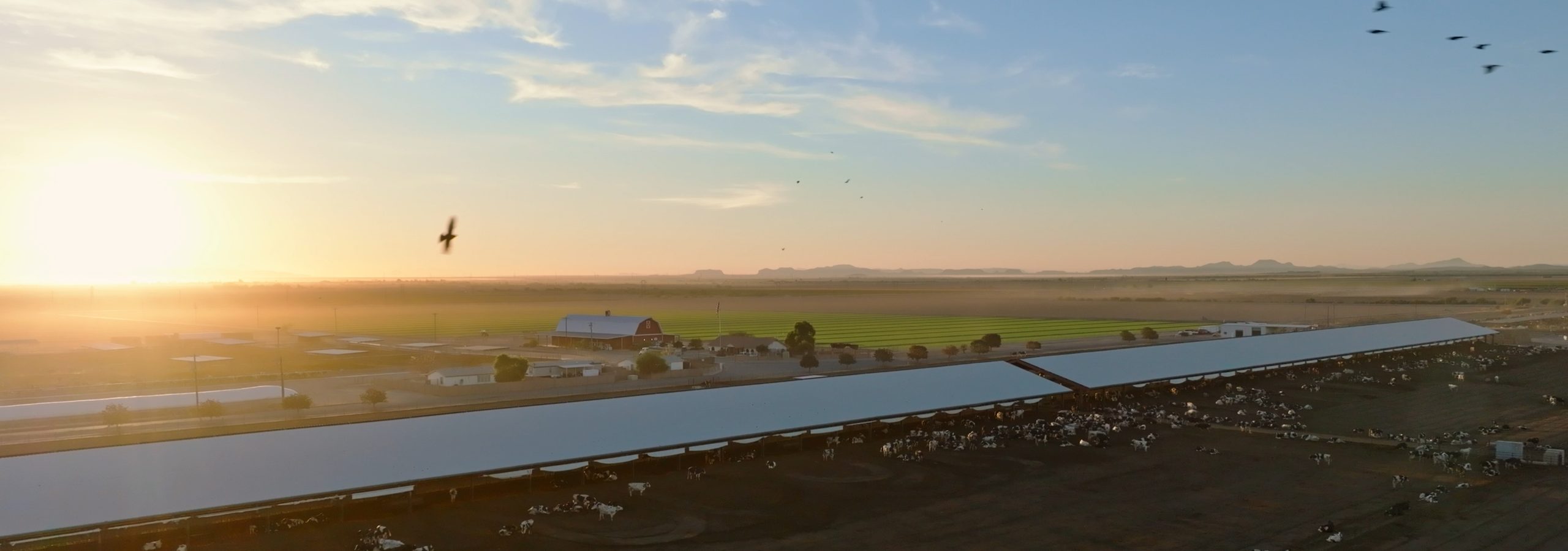
Enter: Shamrock Farms
It was late March 2024, and I was sitting in a Delta lounge in Amsterdam with the NewLeaf team, waiting to fly back to Boston after an amazing, but punishing, eight-day documentary shoot in Prague. My brain was fried, my body was spent, and I had forgotten to turn on an out-of-office reply. When an email popped up that began, “Good afternoon! I just wanted to follow up on my email from a few days ago about a branded documentary…”, my first reaction was pure reflex. What have I missed now.
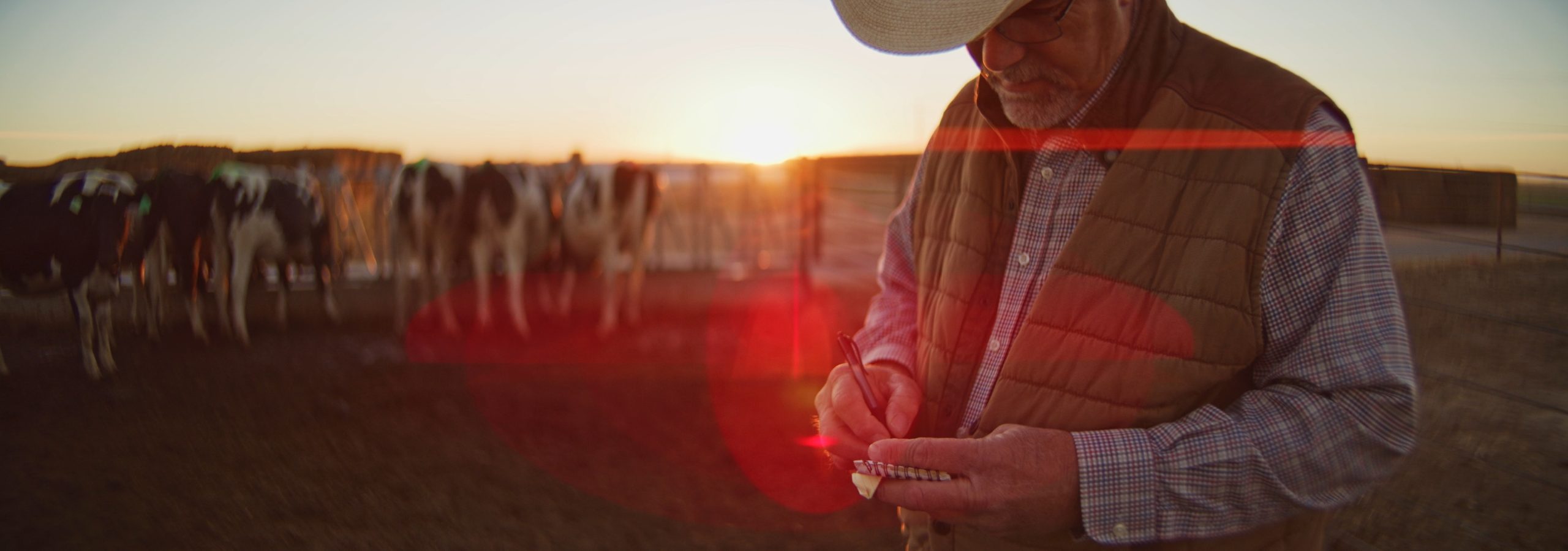
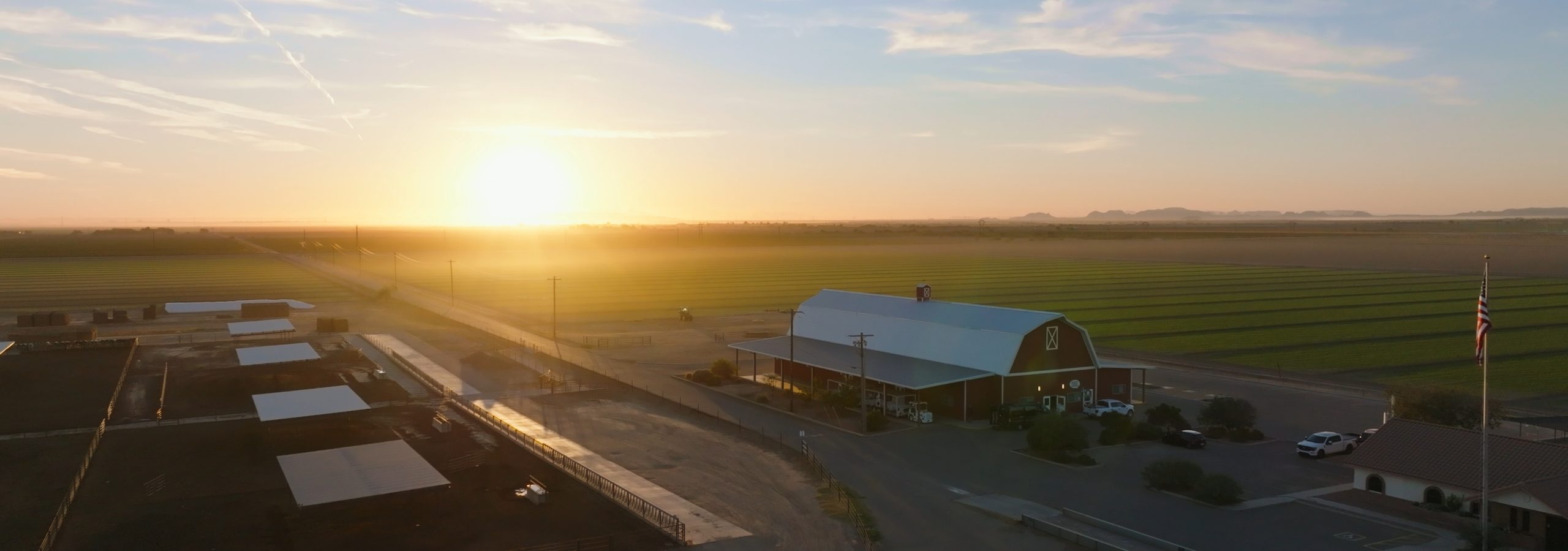
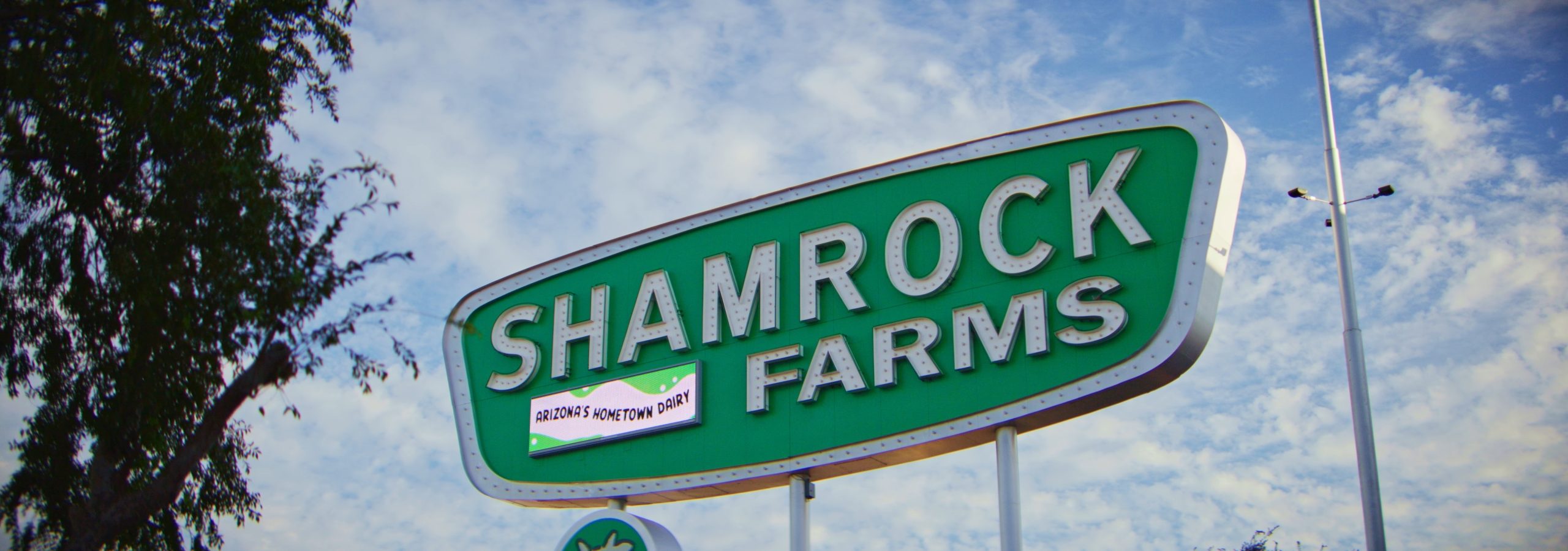
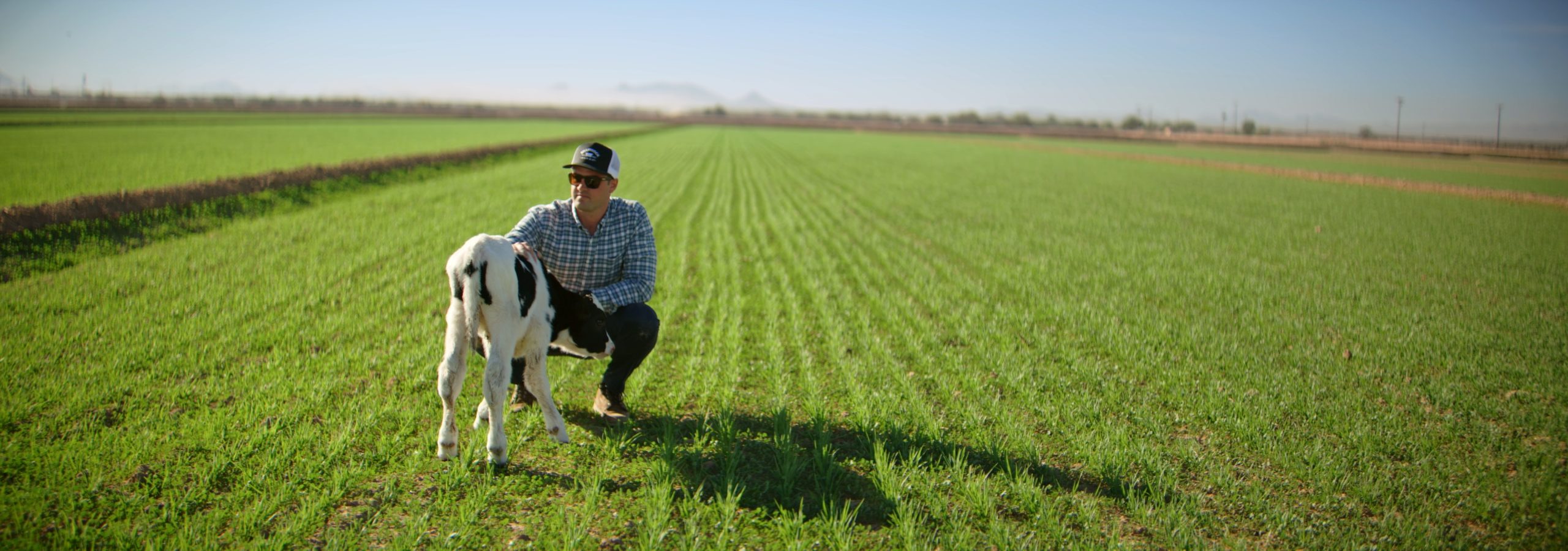
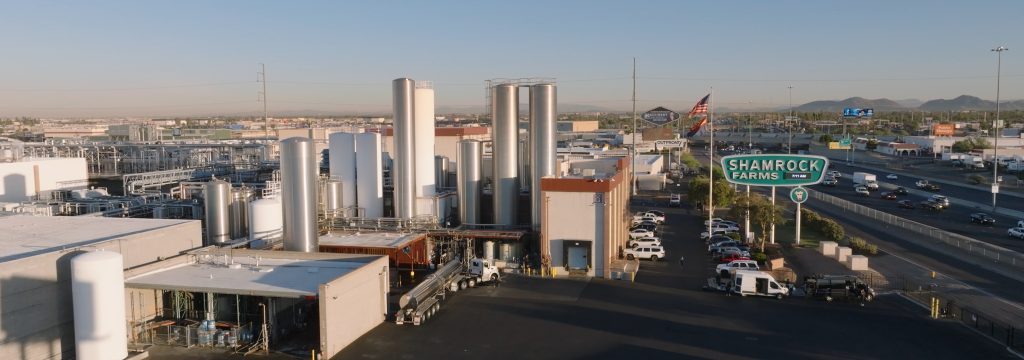
But after twenty years of self employment, I have learned not to ignore a real opportunity, even when the timing is terrible. I sent back a quick mea culpa response, and a week later I was on a Zoom call with Shamrock Farms, a century-old, family-owned dairy in Arizona. Over the next year we would work closely with their team and CEO Devon McClelland to make a film that taught me, yet again, what “trust the process” actually looks like when you are doing non-fiction inside a brand environment.
This project began like most branded work does, with a lot to learn fast. There were acronyms and departments, processes, and timelines that, if we were not careful, could easily smother any human interest story. But there was one significant difference from the start. The film was commissioned by Devon McClelland, Shamrock Farms’ new CEO and the fourth-generation great-grandson of the company’s founder. After a couple of early conversations it was clear this was not going to be “just another” video project where leadership is mainly there to supervise the message. This was going to be more intimate, with leadership genuinely invested in telling a real, human story, and willing to accept that the strongest version of that story might not look like something you could fully outline in a pitch deck or outline.
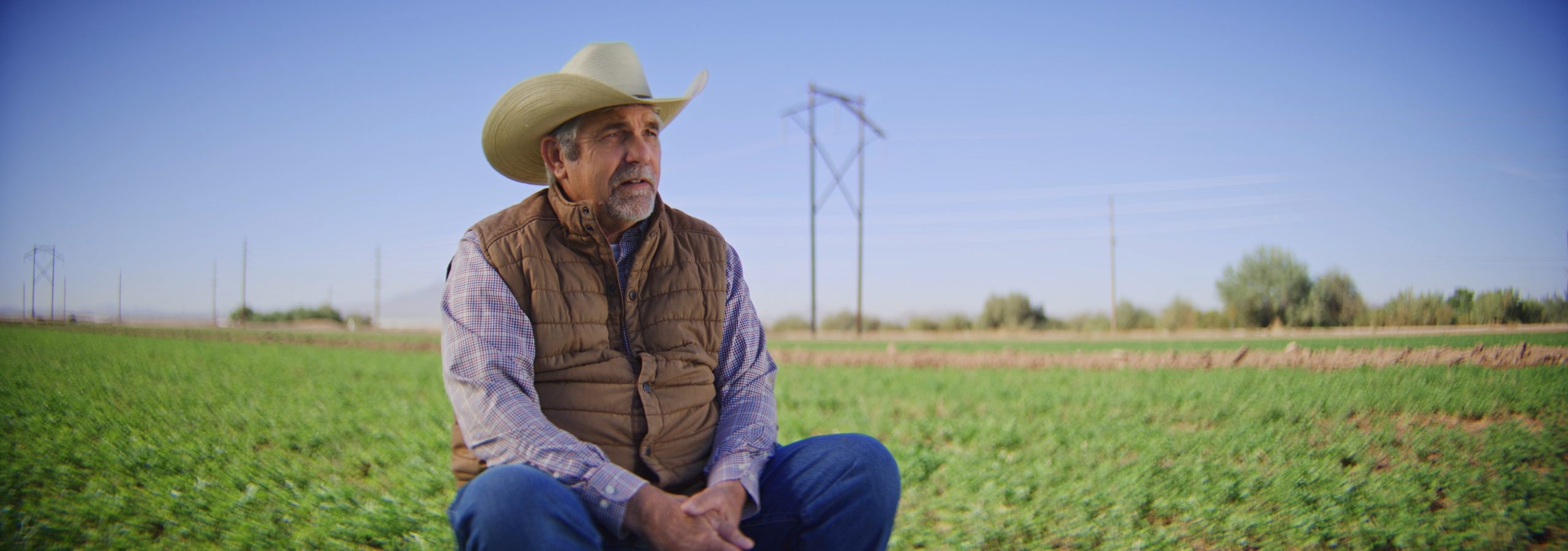
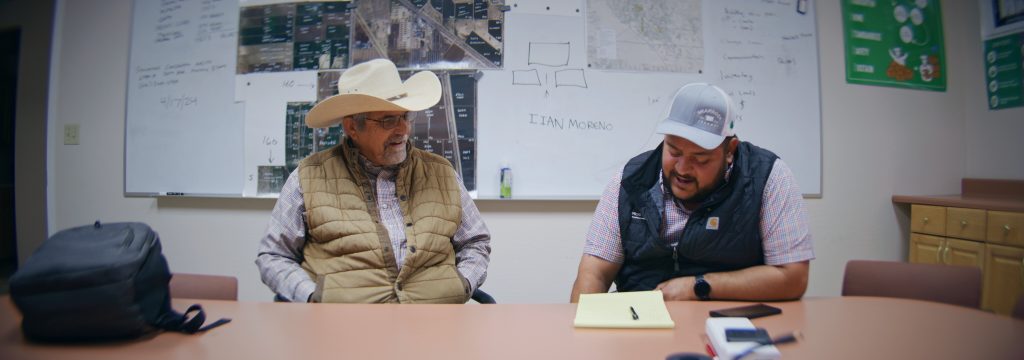
I had some initial reservations anyway, because I always do. Too many stakeholders can dilute a project quickly, and they can make the feedback and revision process feel like death by a thousand paper cuts. But after spending two full days on a location scout with Devon and his consulting producer, Russ Dixon, any hesitations I had pretty much vanished. Their clarity of vision, and their willingness to let us do the work the way documentary work actually gets done best, set the tone for everything that came next.
In a very real sense Devon was saying: we trust you. We don’t know exactly what these folks being interviewed will say about their lives, their work, or about Shamrock. But we believe that what you find will reflect who we are. That kind of trust is rare, and it raises the stakes in the best way.
Laying the groundwork for good outcomes
Pre-production on this project, a twenty-minute documentary film plus a three-minute teaser, was less about scripting the story and more about making room for it to reveal itself, while still doing the planning you have to do if you want to have any chance of capturing it cleanly. That is always a risk. Vetting helps, but great characters still slip through the cracks. You can ask smart questions on a Zoom. You can get a sense of who someone is and how they speak. But you cannot fully know what they will become on camera until you are with them in their world, under real conditions, doing real work, with others watching.
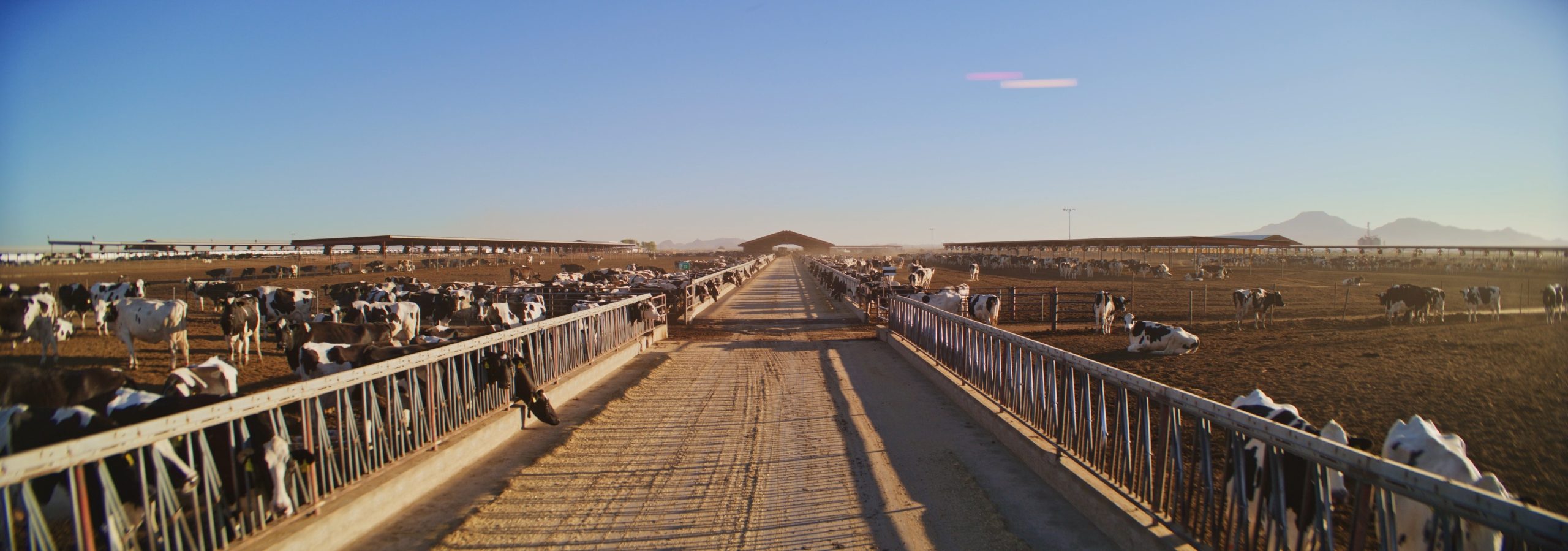
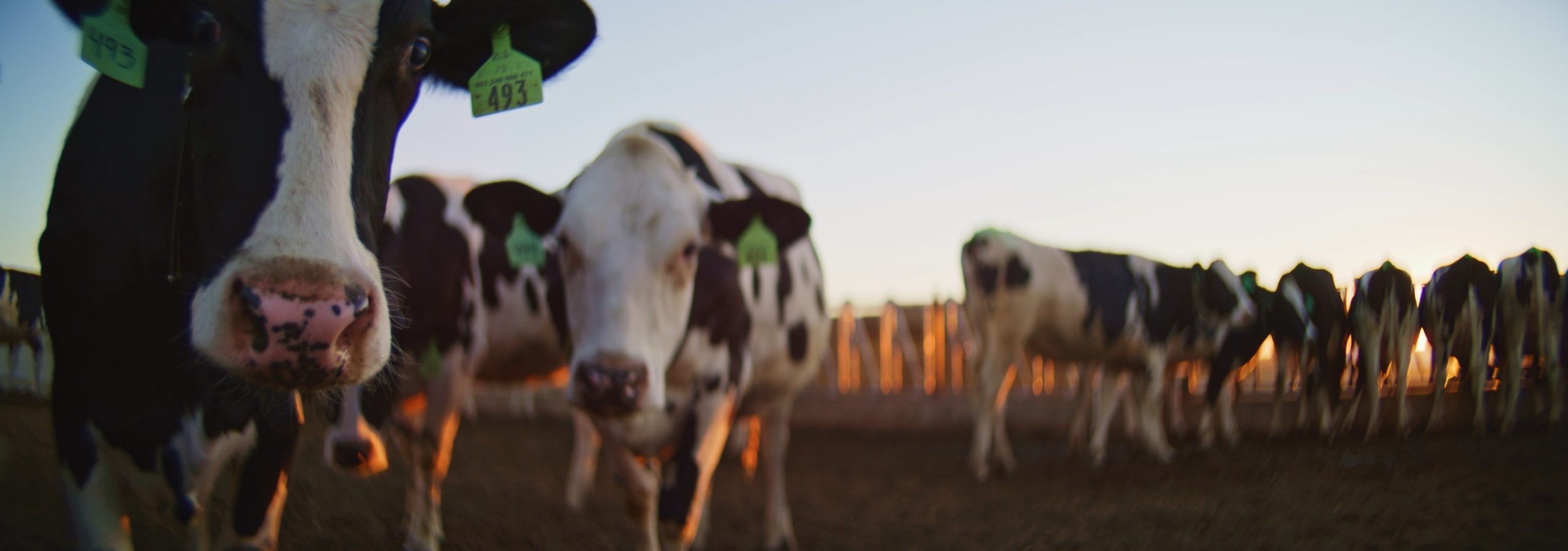
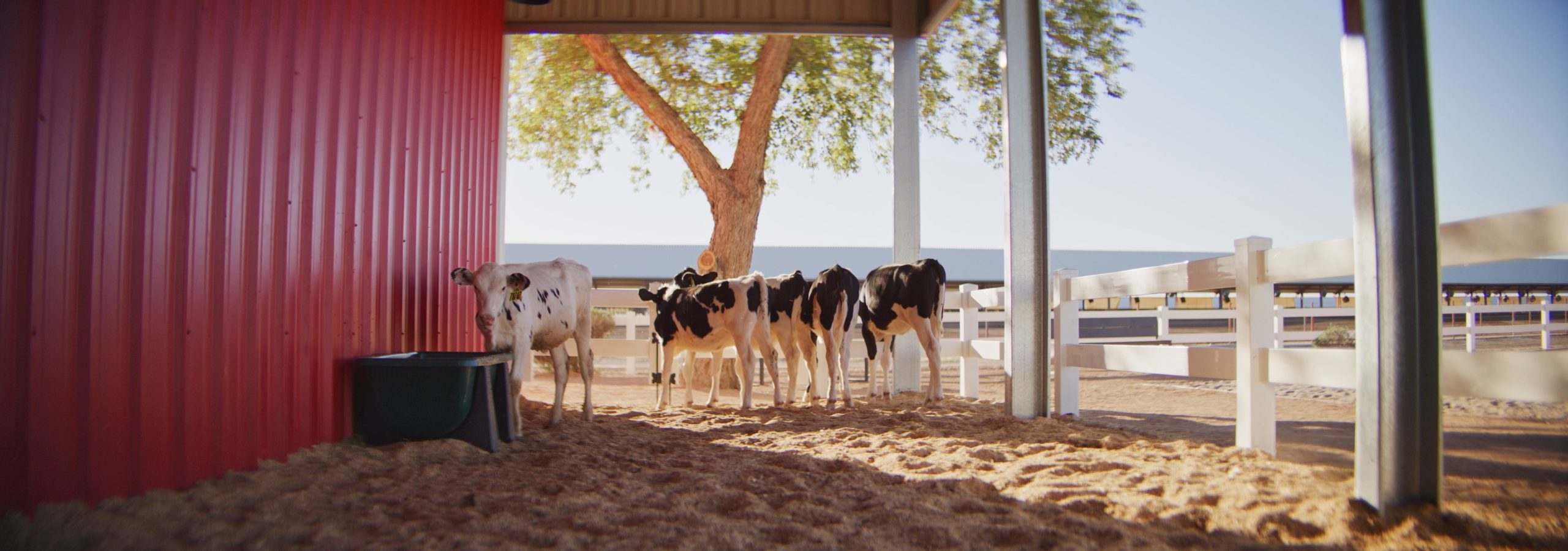
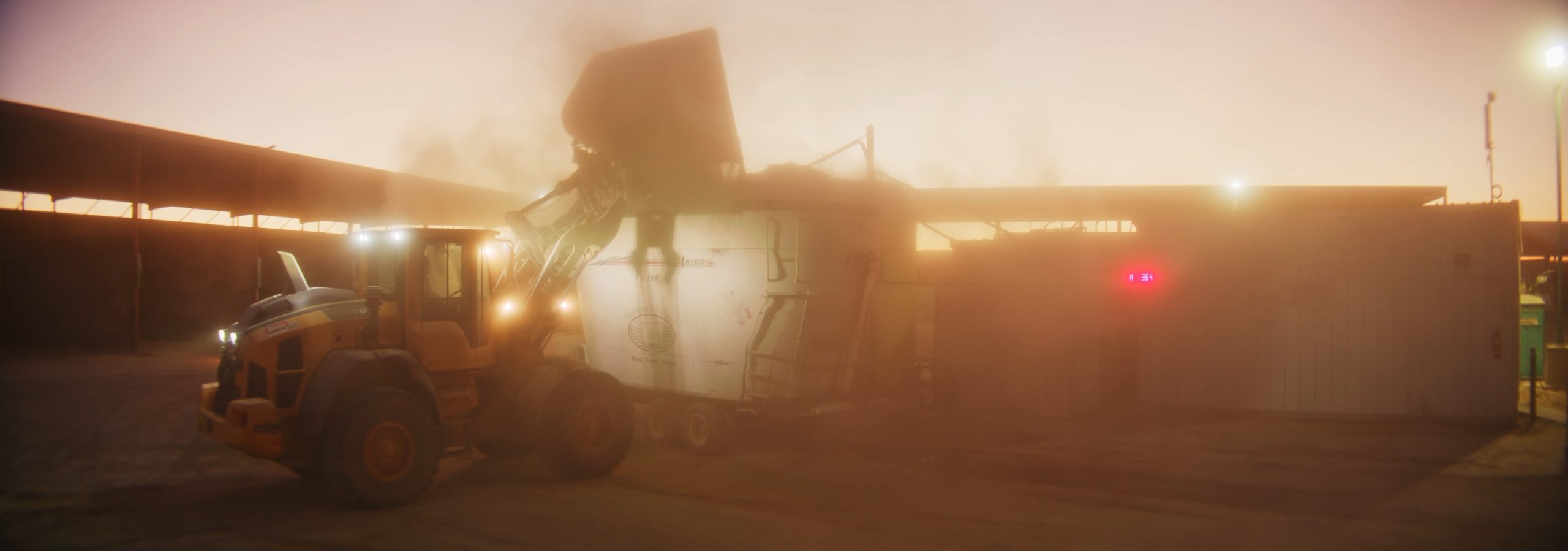
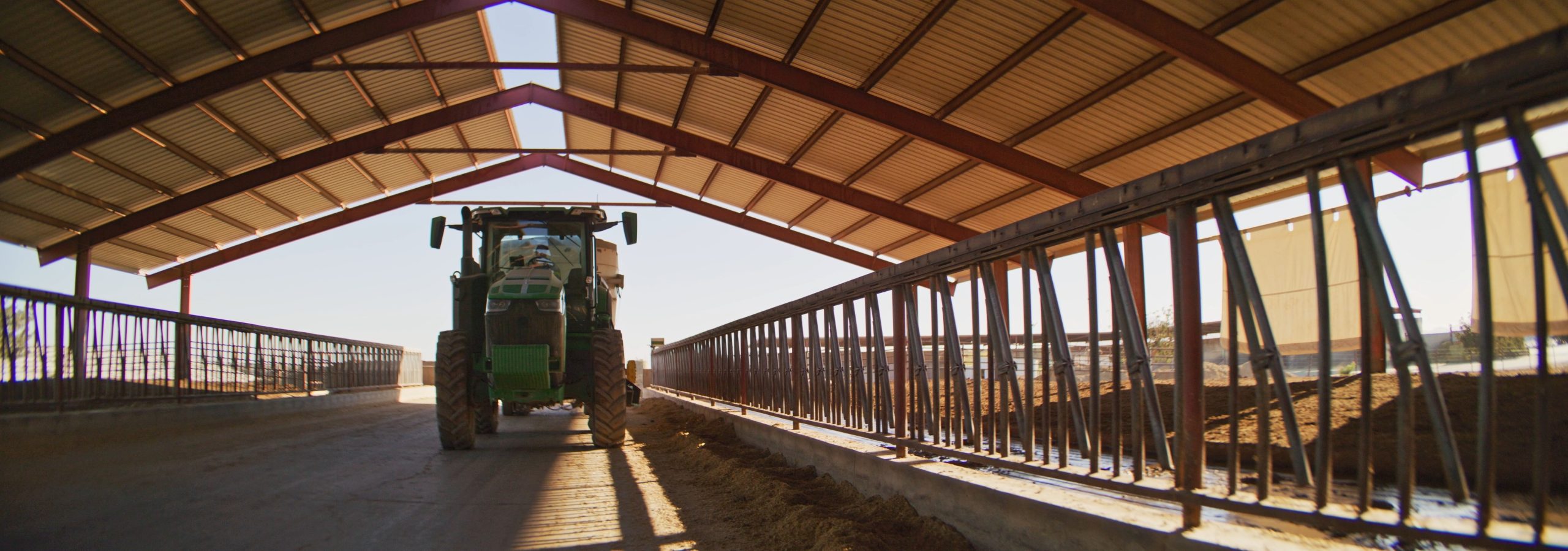
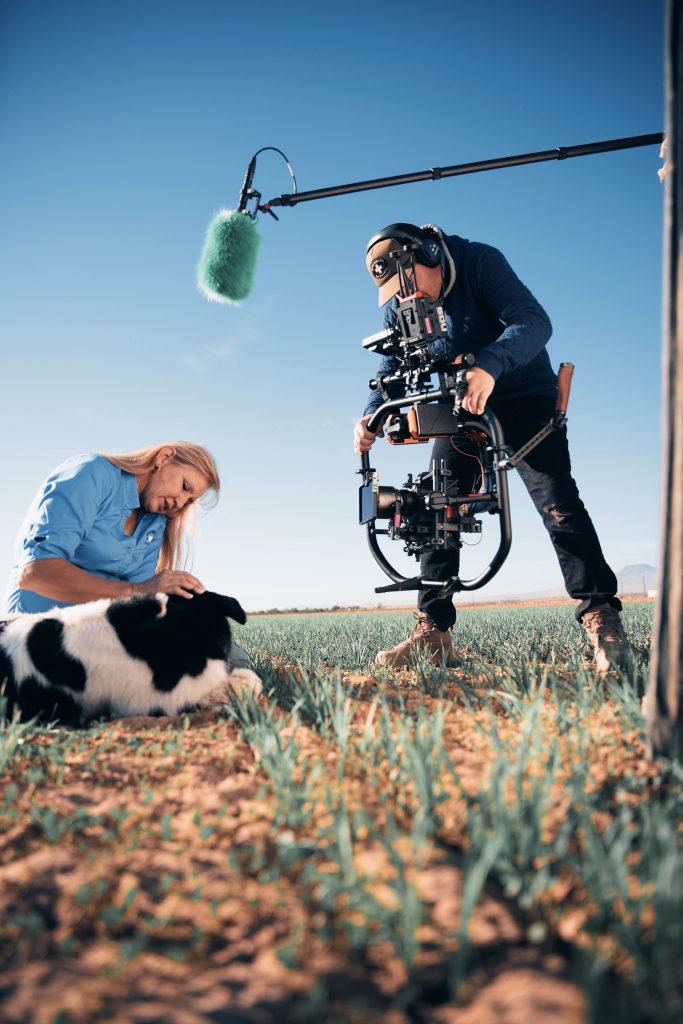
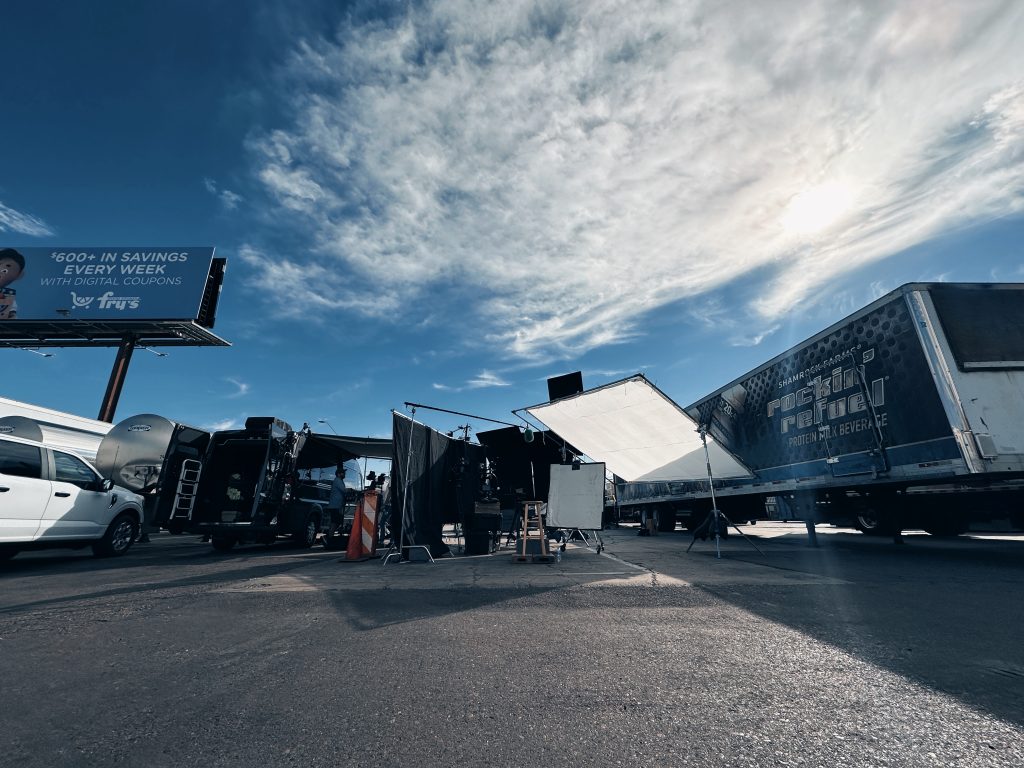
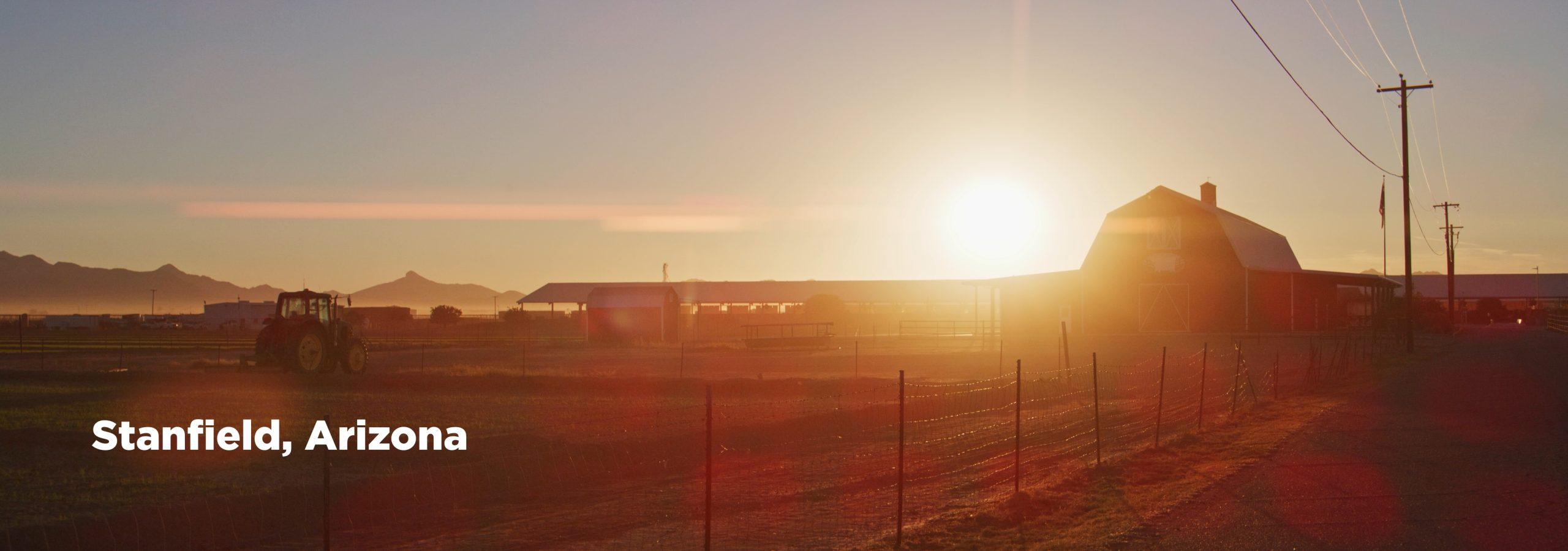
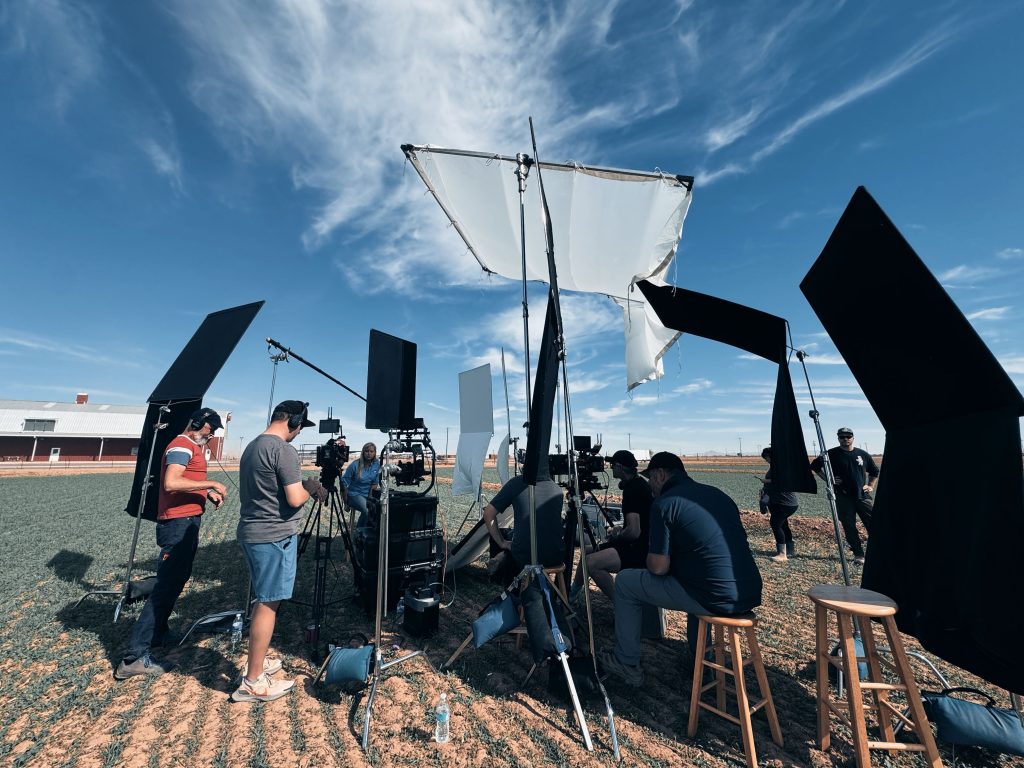
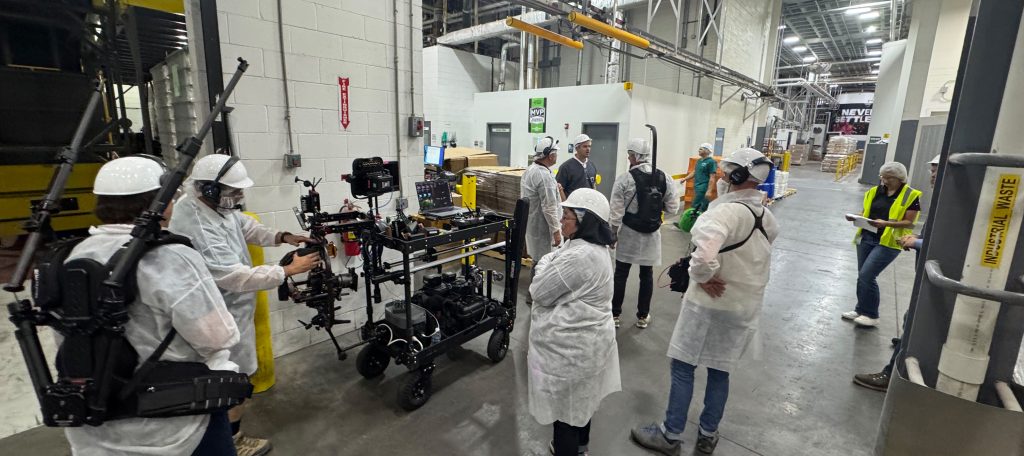
Logistically, we had five days on location, plus a prep day up front, split across three main locations that were hours of driving apart. We were working around a 24-hour dairy and a 24-hour plant, with real work happening nonstop, every day of the year, while also trying to build enough time with a small group of people that we could get past the surface. Not just who they are as “characters,” but who they are as human beings. If you want to do this right, you need real time. A day and a half with each person would be ideal, so fewer characters, but enough time to truly surround them and let their story blossom organically. Unfortunately, like most tightly scoped projects, we did not have anything close to that in our schedule.
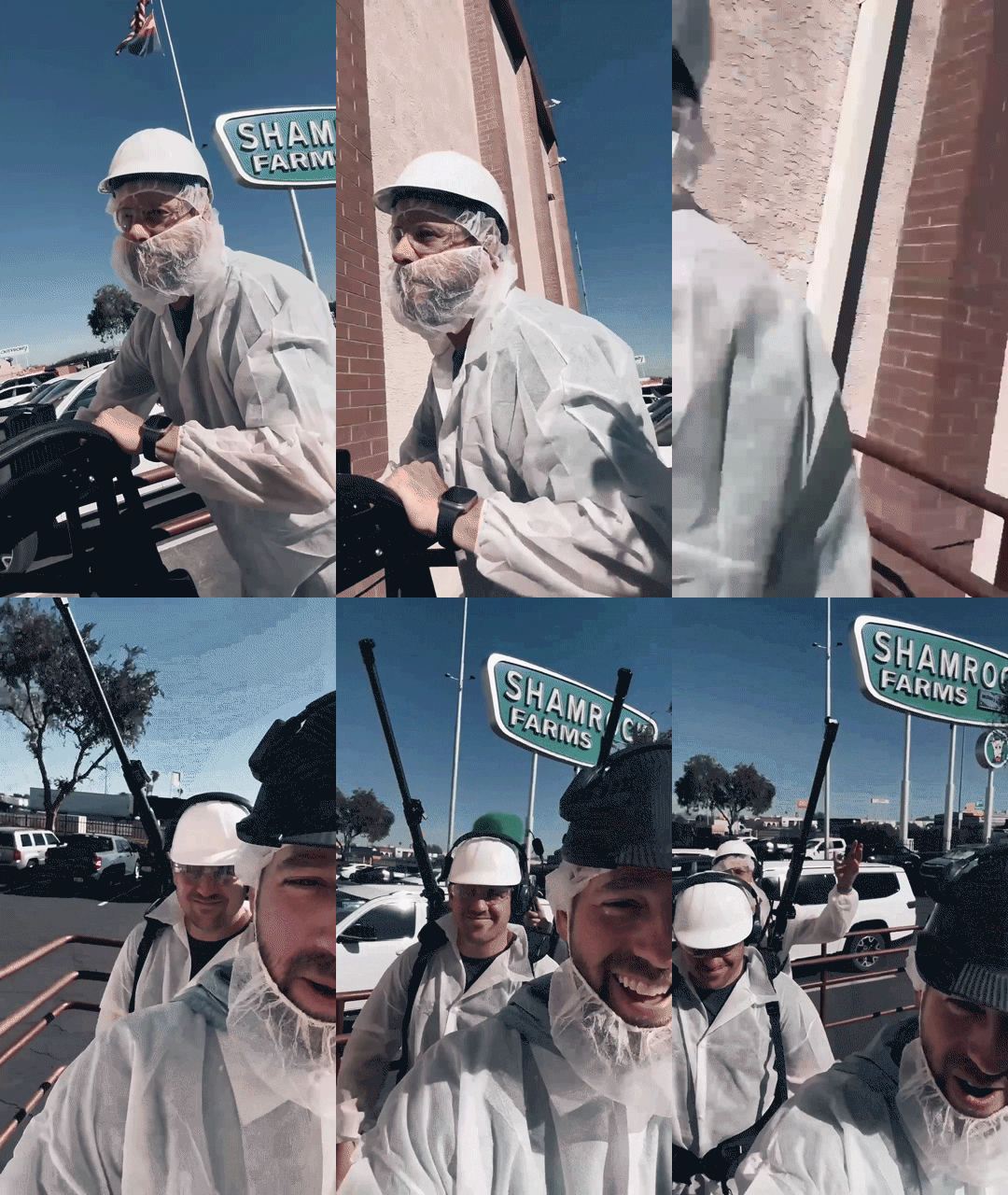
So the question became: how do we get there anyway, inside the constraints of a schedule that is always too tight and a budget that can disappear in a blink? For us, the answer was shared experience, trust, and a team that knows how to work together under pressure. We have done enough projects together over the years that there is a real shorthand we can lean on. Time on a set is expensive, and it is one of the first things that gets squeezed when a project is built around efficiency instead of what the story actually needs. Having people around you who can read one another’s body language, trust what is happening in frame, and know they have each other’s backs is essential. NewLeaf is the kind of team you hope to spend your working life around: deeply capable, creatively sharp, ego-light, and genuinely good in the room, on the road, and under pressure.
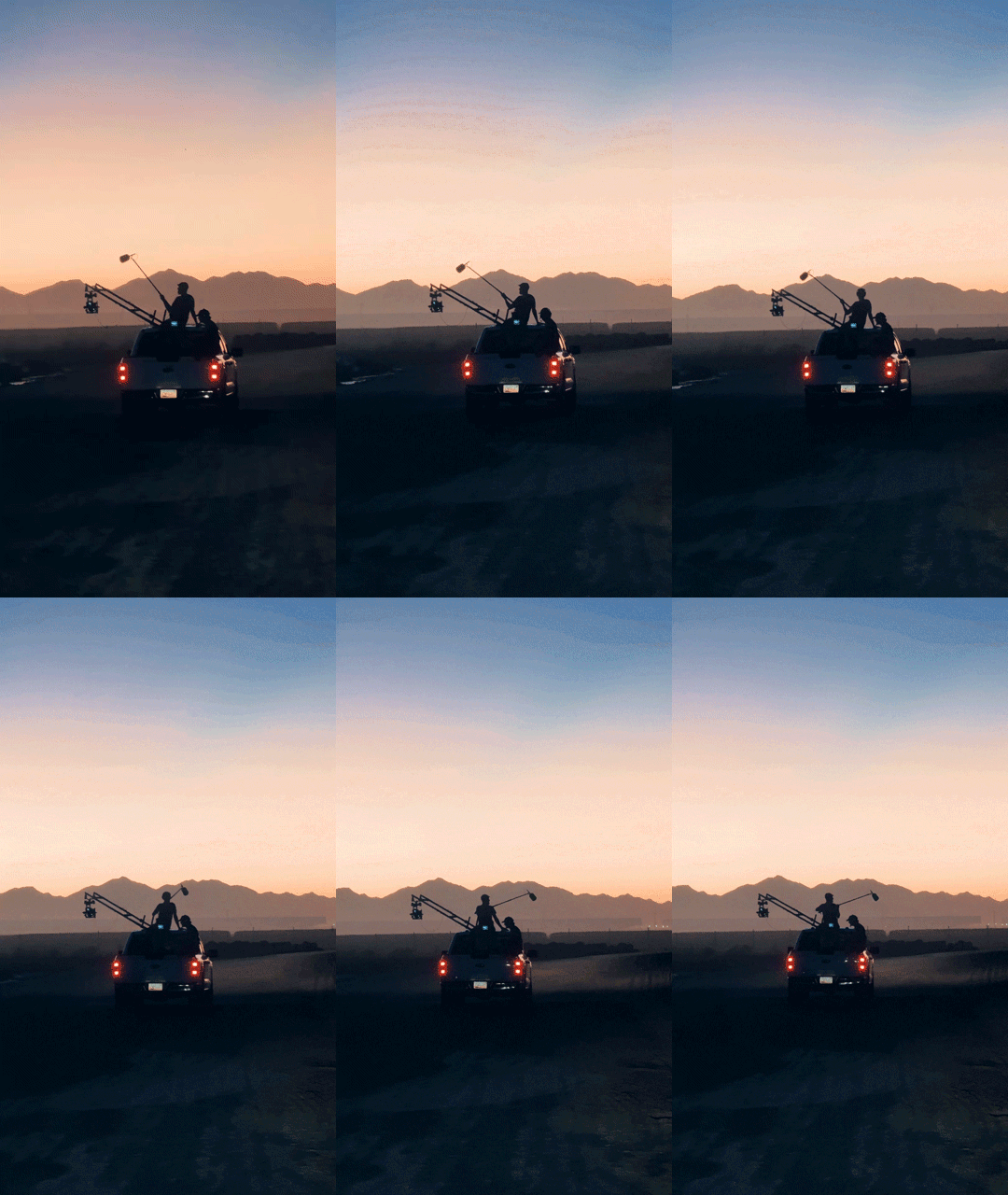
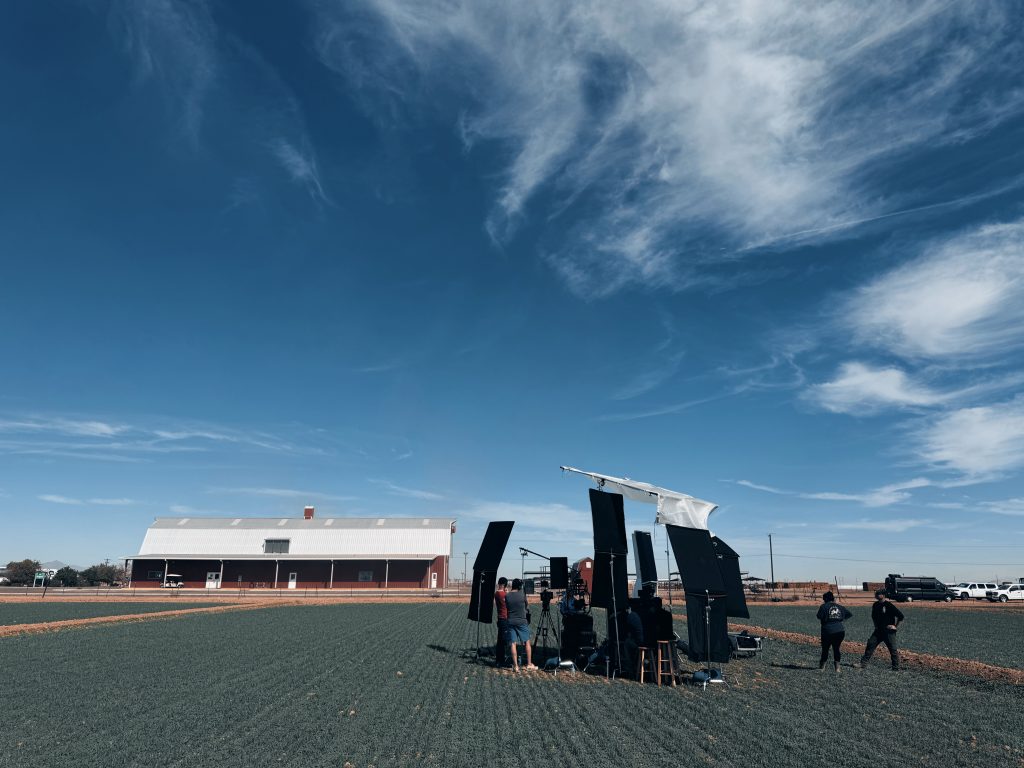
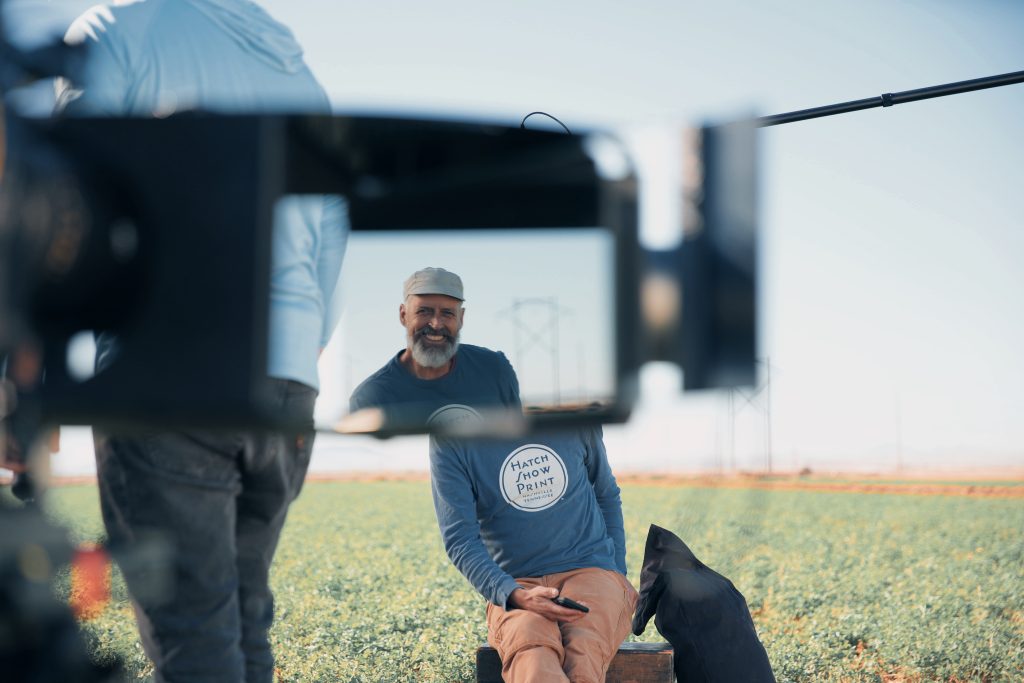
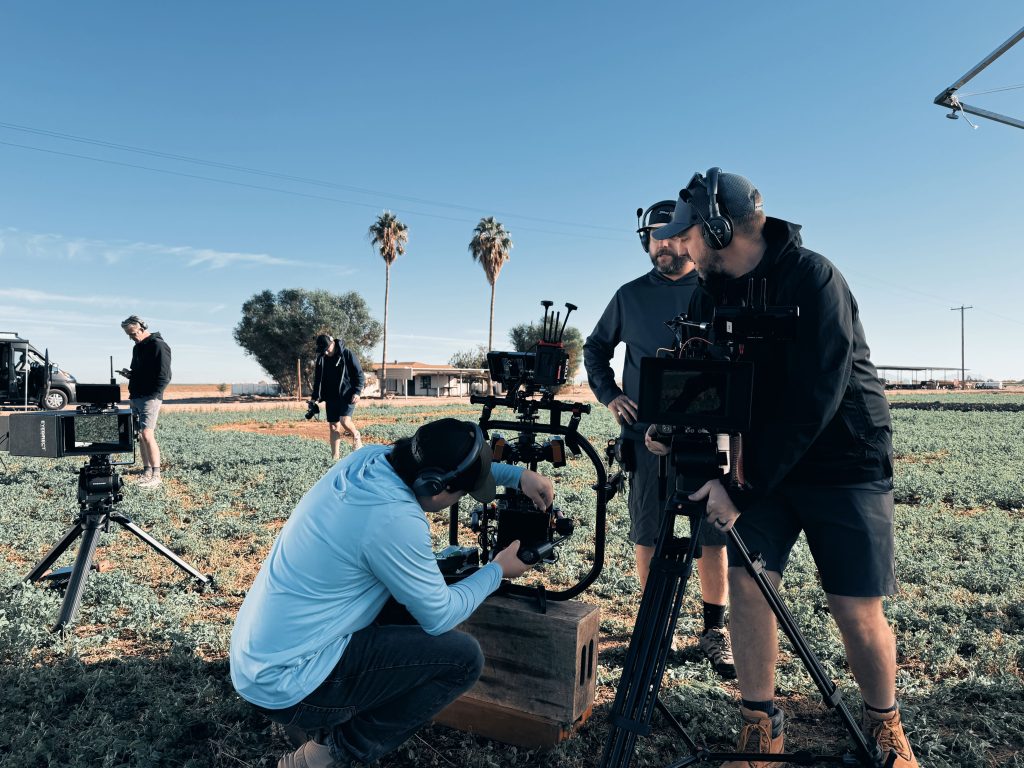
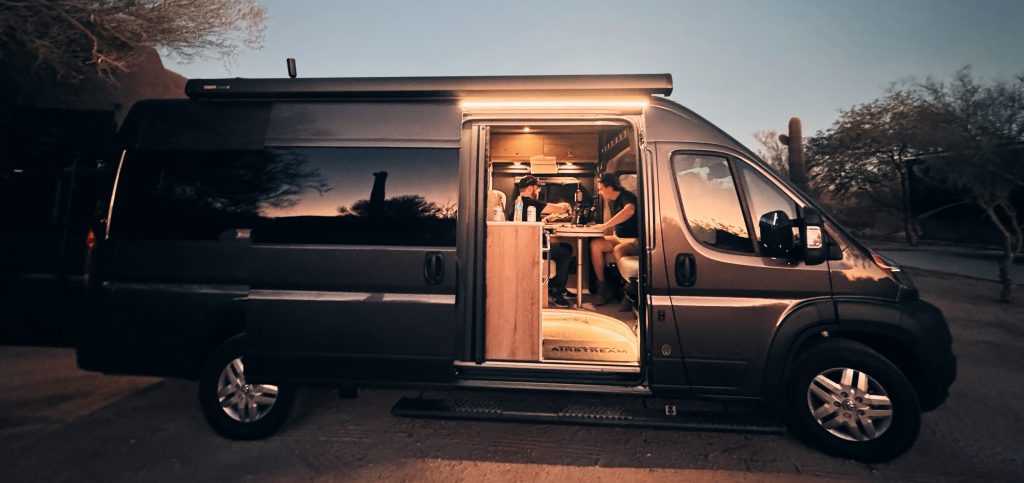
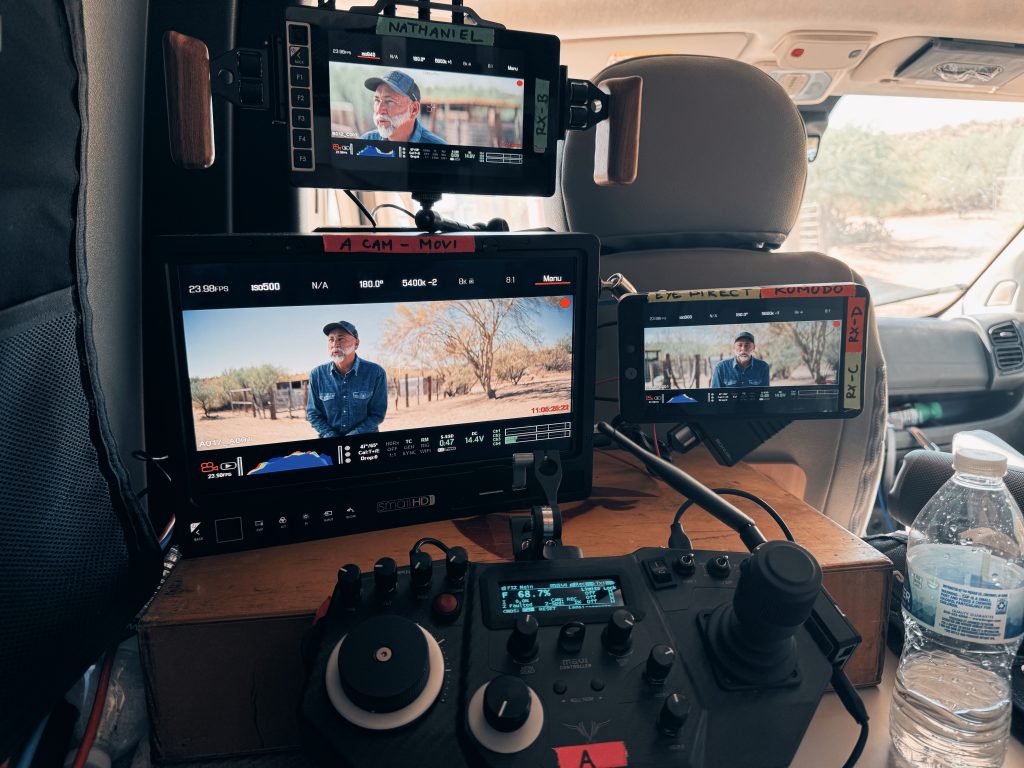
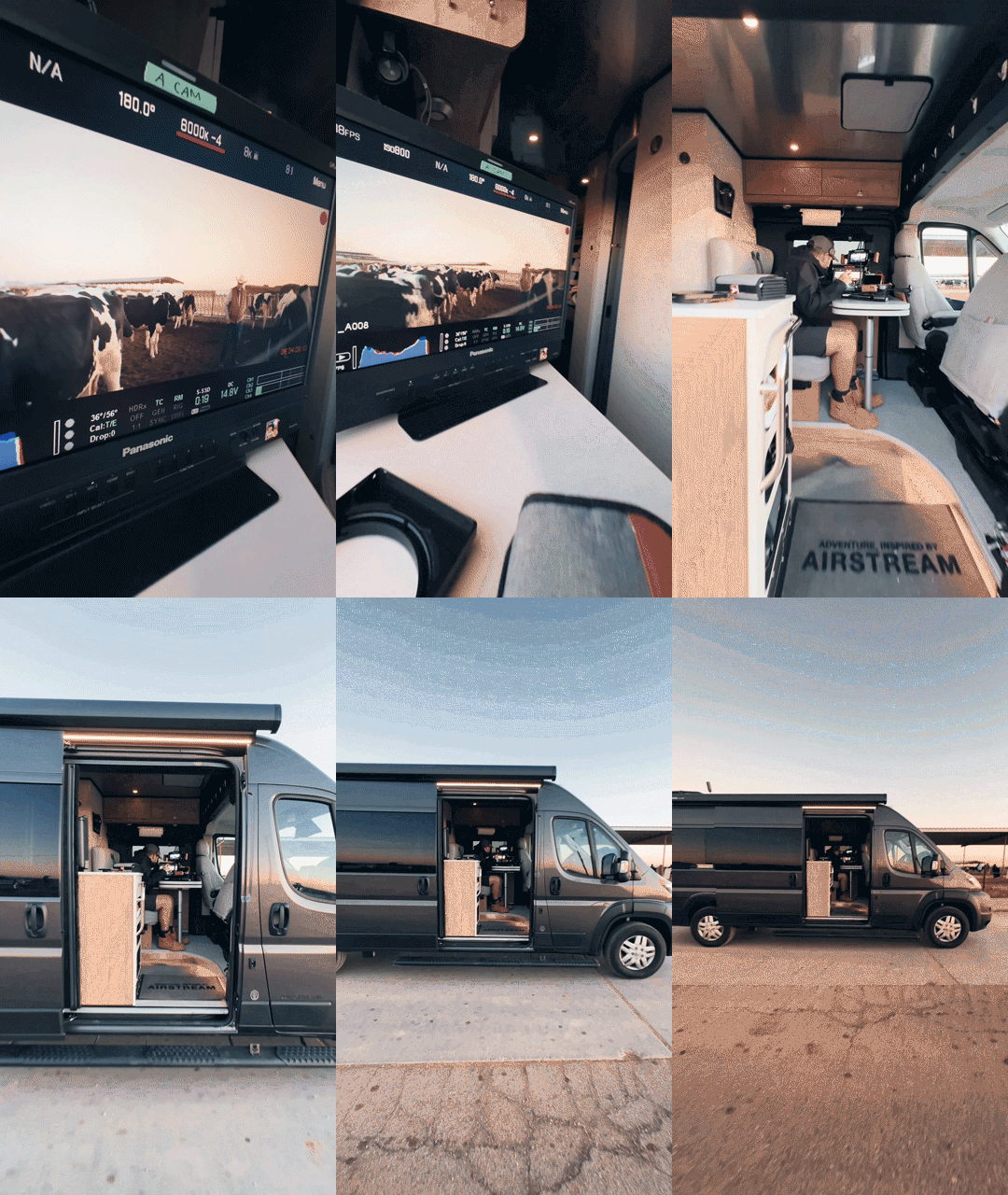
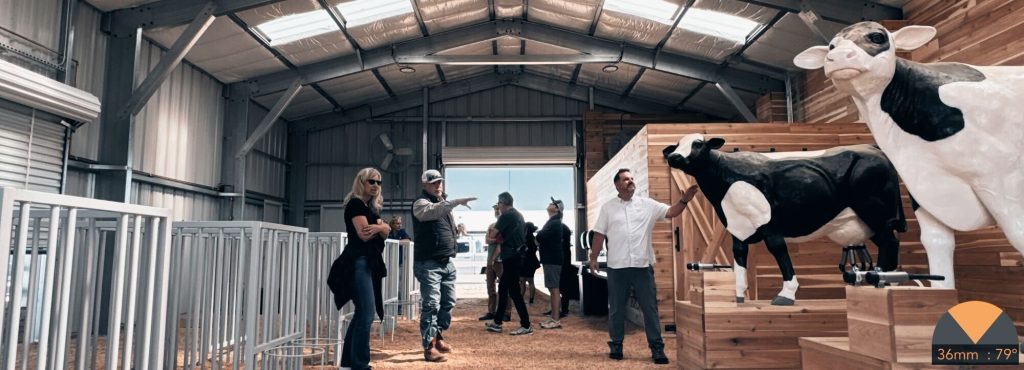
Pre-production is also one of those places where NewLeaf’s contribution was not just moral support or good taste, but real, practical producing. The shoot only looked and moved the way it did because of a hundred small decisions made well in advance: planning, logistics, line-item tradeoffs, negotiating down the Airbnb so we could afford the anamorphic lens rentals, even saying yes to a production RV that felt expensive at first but quickly proved invaluable as a mobile base camp. That kind of work is easy to overlook from the outside, but it is often the difference between a good idea and a film that actually has the shape, texture, and flexibility you hoped for.
There is another truth that makes this kind of work both exhilarating and maddening. Emotional content does not show up on cue. You can’t just roll camera and expect it to arrive because you are ready for it. You really do have to curate the conditions where it can rise to the surface on its own, and that takes time and intuition, also born from experience.
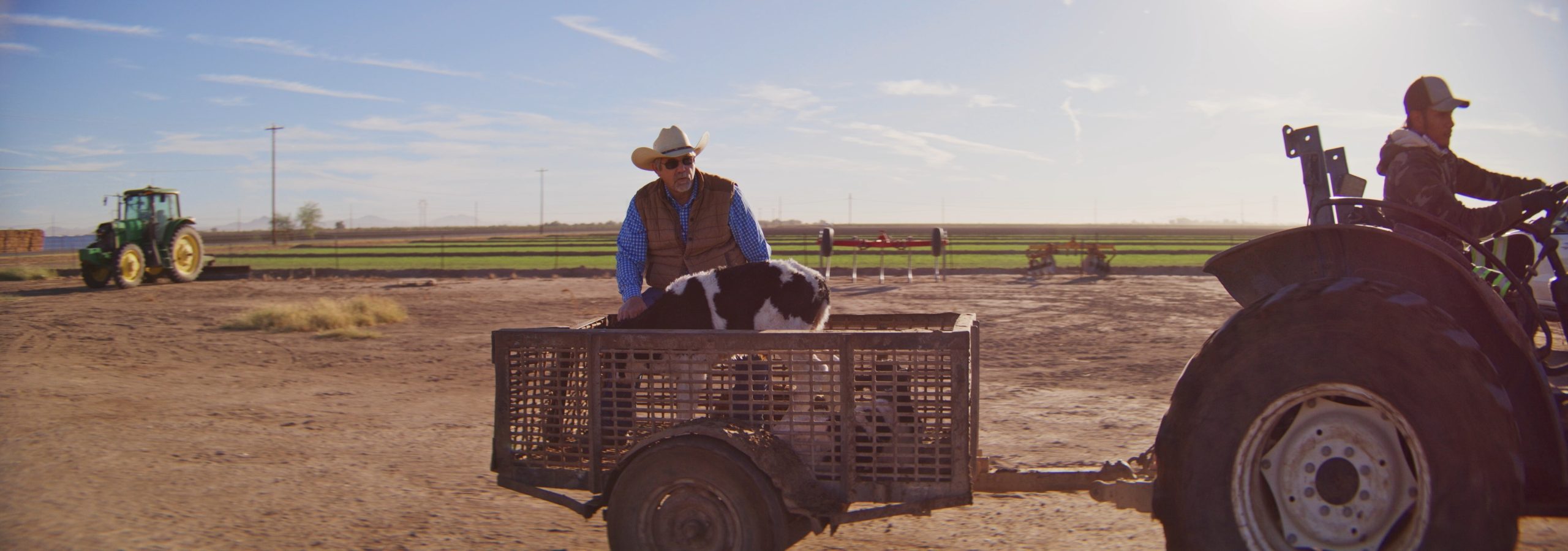
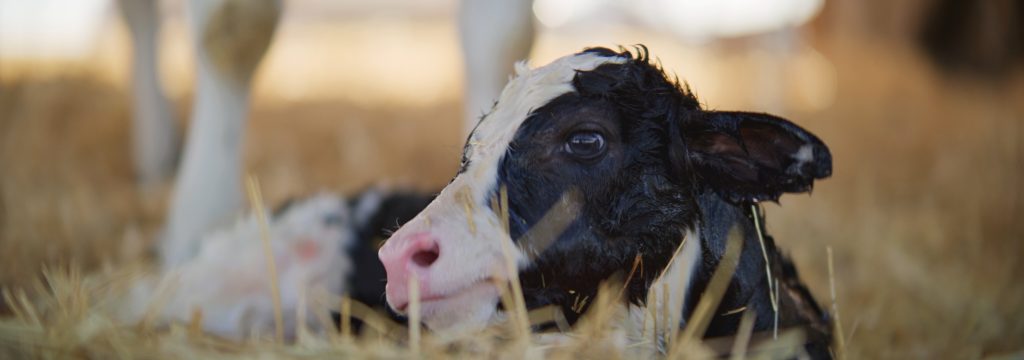
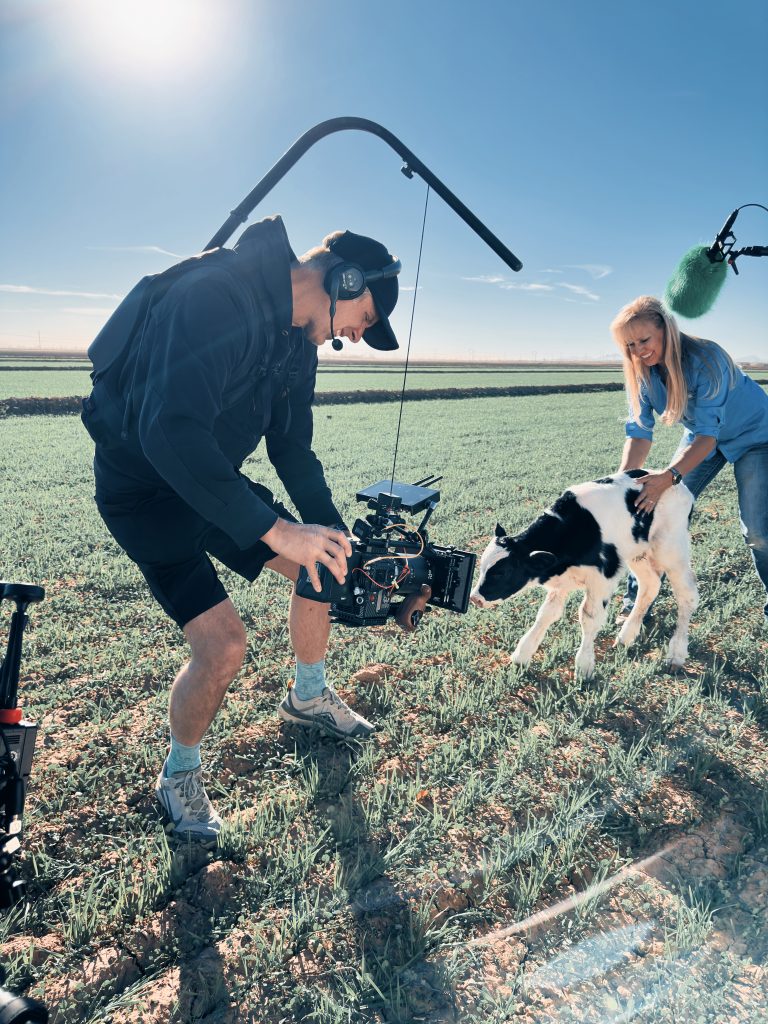
The calf birth
On day one at the farm, I was reminded of all of this in a way I didn’t expect.
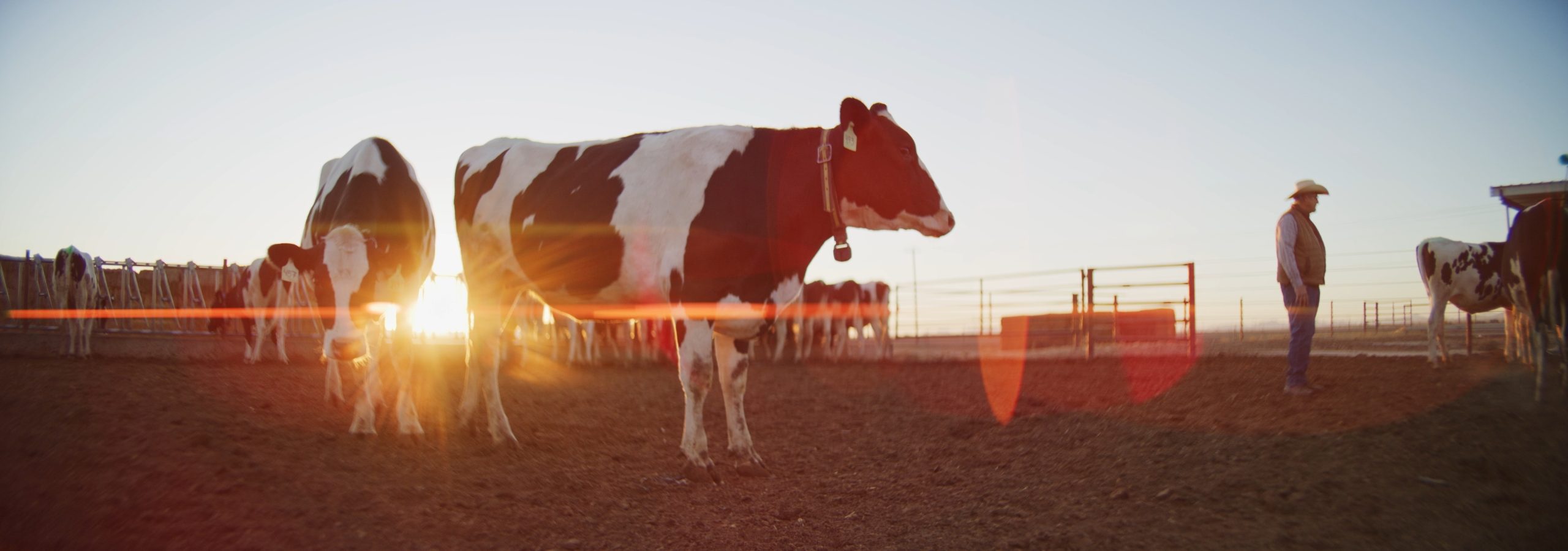
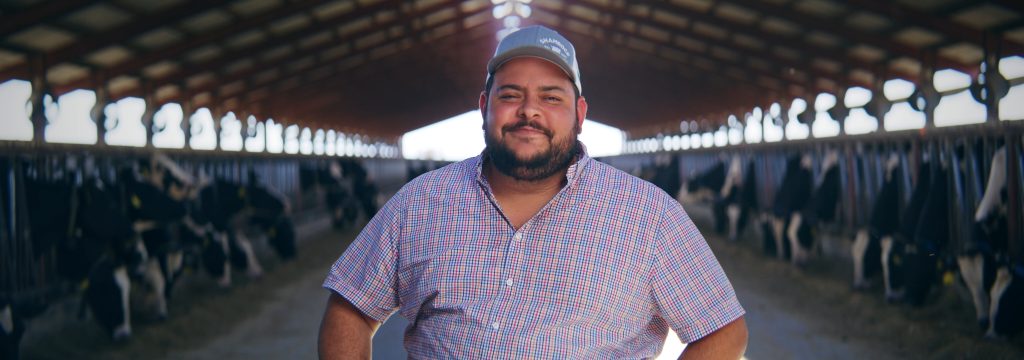
In pre-production I had mentioned to the general manager of the farm that, if possible, I would love to film a calf birth. It is the kind of thing that can anchor a farm story with a single image, and it is also the kind of thing you cannot schedule. He chuckled and said that while our odds were good, given the farm had 20,000 cows on the property, there was no guarantee it would happen during our two days on site. In documentary, you do not get to plan a miracle. You can only make yourself available to it, and hope that when the moment arrives you have the presence of mind, the access, and the team around you to capture it.
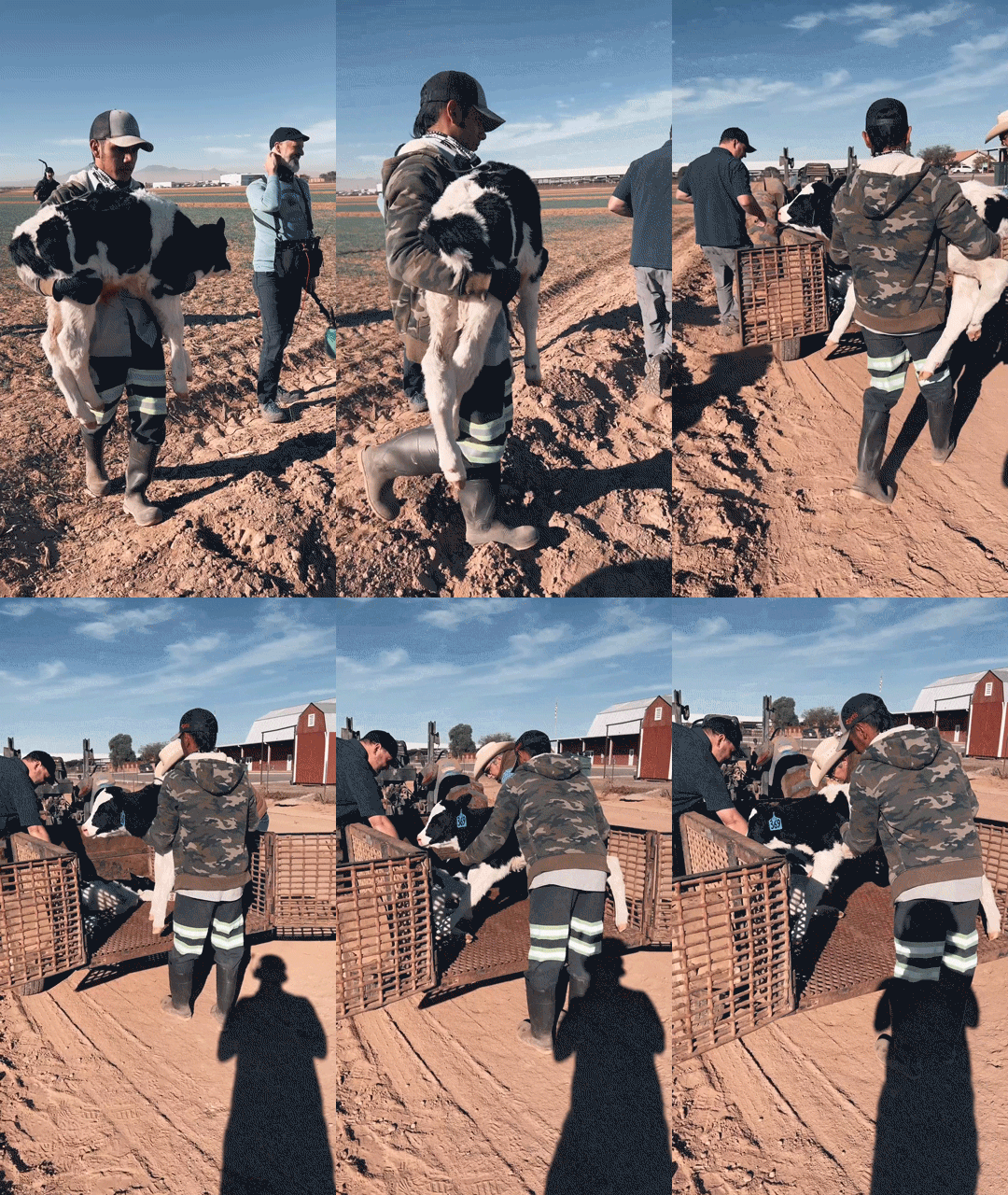
Late in the morning on our first day, we were setting up for an interview in one of the long barns when word came through that a cow might give birth within the hour. It was not a sure thing, and the sensible move would have been to stay put, protect the schedule, and keep building toward the interview. On another kind of shoot, or with a team that did not know each other well, that might have been the only responsible choice. But this was one of those moments where our shared experience and mutual trust mattered. We had enough preparation behind us, and enough confidence in one another, that I felt free to follow the thing we all knew might matter more.
So I left the interview setup in the capable hands of the NewLeaf team and headed for the calving barn. That was not a solo leap of faith so much as a small act of shared trust. I knew they could keep building, they technically didn’t need me there at all. They knew why I was going and all of us were working toward the same outcome: making the strongest film possible, even if that meant briefly letting go of the day’s neatest plan in order to chase something real.
We found the cow in advanced labor, and this would be her first birth. The quiet, even serene physical reality of new life arriving in the middle of a working day on a farm of this size was something I wanted to capture. For a moment, the entire farm felt less like an operation and more like a living organism. It reminded me of the miracle hiding in plain sight inside routine work, the thing you stop noticing when you are focused on logistics and shot lists and the pressure of the schedule.
As I kept rolling, burning through precious media over the hour I was there, I had a quiet voice repeating in the back of my mind: this will be worth it.
Mary is the conduit
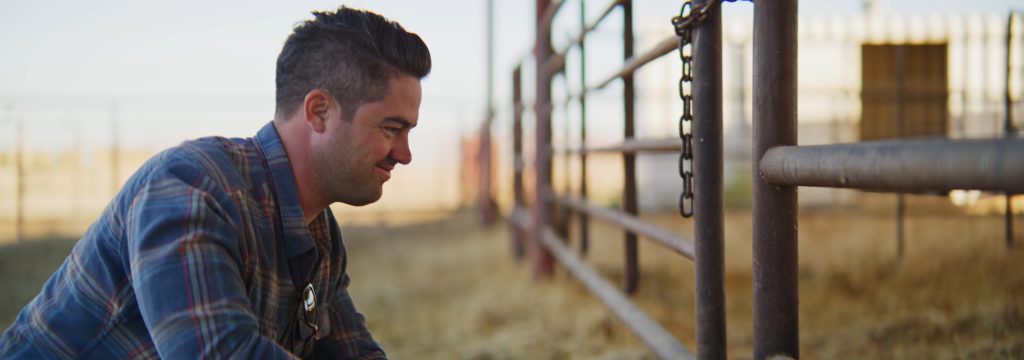
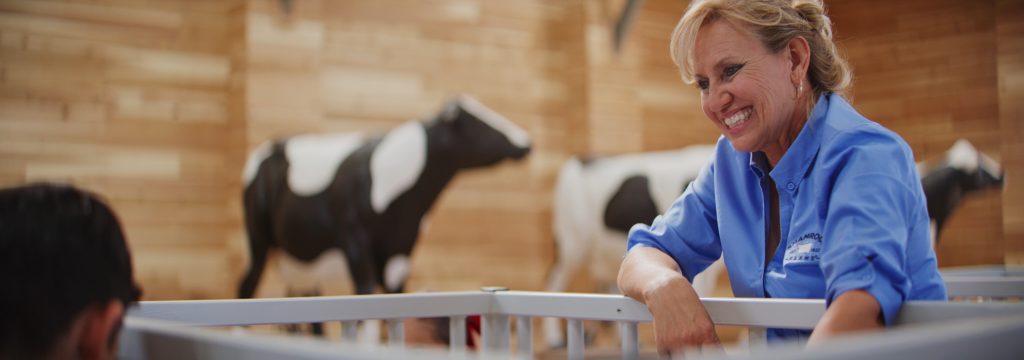
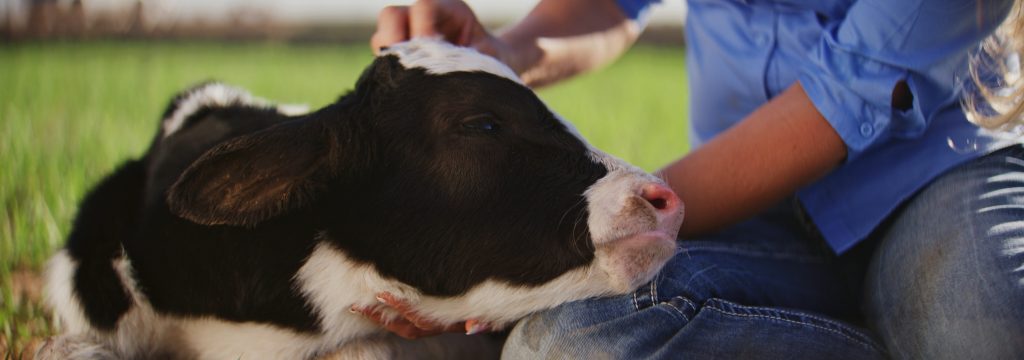
It also made something clear that would matter a lot later. Mary, the tour barn manager, was the one who flagged what was happening. She knew where to go and who to ask. She moved through the farm with a kind of quiet, respected authority, and she opened a door that, as an outsider, I would not have known existed. That is not a small thing in a documentary. Access is never a given. It is mediated by people who know the place, and who choose, consciously or unconsciously, to include you. Without Mary we do not get that scene. And without scenes like that, you end up with a film that tells people what a farm does, but never really allows them to feel what it is.
By the time we wrapped day one, with some amazing footage “in the can,” but still unsure of what lay ahead for the story, I had that sinking feeling we might have a problem. On paper, during vetting, I had more or less written Mary off as a quick supporting voice. And then on set, while we were filming other things around the farm, I kept catching glimpses of her going about her work. Not performing. Not waiting for direction. Just moving through the place like she owned the rhythm of it. That quiet voice I heard during the calving was back: you missed one. Mary was not a supporting character. She was the heartbeat of the farm. If we did not make room for her, the film was going to feel a lot thinner than it should.
Trust the Process Pivot #1: “Honest Planet” + Mary
That night, after a very long, adrenaline-fueled first day, Shamrock producer and AD Russ Dixon called to check in. Within a few minutes we were on what he half-jokingly called “honest planet,” talking candidly about what was and wasn’t landing, what his impressions from the day were, and what it would take to pivot without breaking the week. Despite our exhaustion, our call time that morning had been 4 a.m., we stayed on the phone for two hours, and it certainly wasn’t all rainbows and kitty cats. There were hard things we both had to come to terms with in service of the story, including the fact that I had misread a key character in vetting, and that fixing it was going to ripple through everything that followed.
The schedule, as built, had us trying to profile eight to twelve people on camera across multiple locations, with long drives in between. If we were going to do right by Mary, and by the other principal characters we already knew we needed, we couldn’t also keep trying to cram in every other voice. We would’ve been doing everyone a disservice, because we wouldn’t have the time to tell any of their stories properly.
Part of the work that night wasn’t just deciding what to change, but understanding the domino effect through the entire schedule. Adding Mary meant carving out real time to film her story, including the b-roll that would allow her interview to land with weight, and we didn’t have a half day to spare. But this is also where long-term partnership really matters. A pivot like that only works if the team around you can absorb it without the whole project coming apart. That’s one of NewLeaf’s superpowers. They do it without freaking out. They don’t roll over in the face of a problem. They lean in and start solving it, creatively and calmly, always with the strongest version of the film in mind. Our history together, and the trust that comes with it, made it possible to move quickly, rethink the structure, and keep everyone aligned around the same goal: making the strongest film possible.
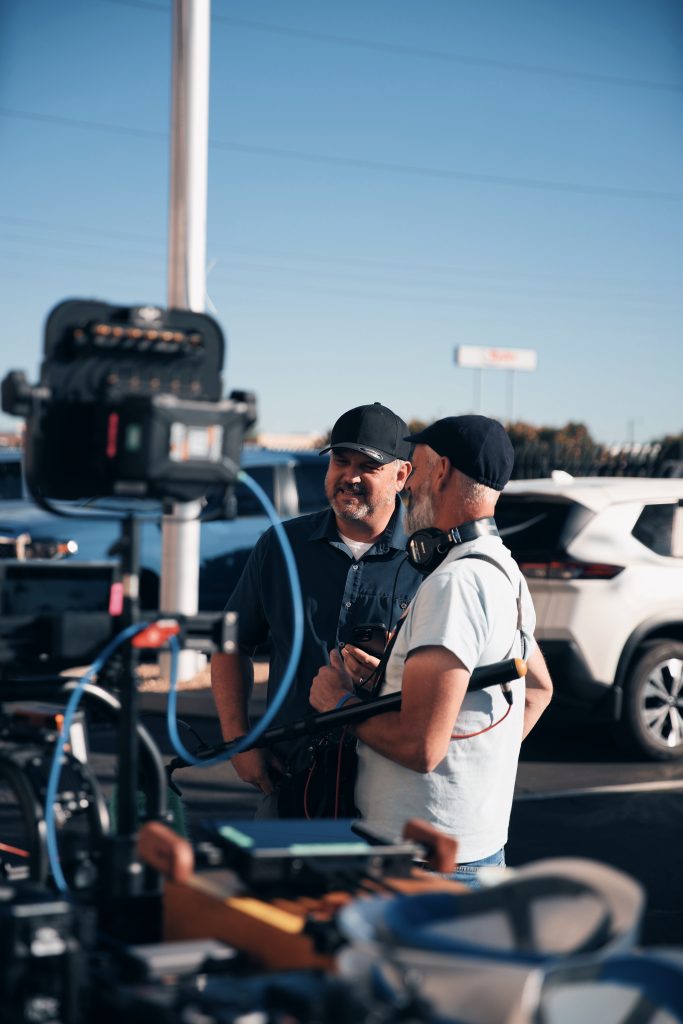
The next morning Russ and I were up before sunrise and back on the farm with the team for an emergency meeting with Devon to pitch the new direction: fewer people, more time with our core characters, a film that could actually breathe. We weren’t asking for permission to get more coverage. We were asking for permission to go deeper, and to accept that depth would require cutting things that, in another version of the project, might’ve looked non-negotiable.
To Devon’s credit, he didn’t flinch. He reiterated that he trusted us and was willing to trust the process.
Mary’s interview and conversation proved exactly why the decision mattered. Her emotional story about losing her father became a major beat in the edit. Paired with the footage of new life being born on the farm, it gave the film something we never could’ve outlined in advance: an honesty that grounded the rest of the week, and ultimately grounded the film itself in the theme of family.
A day-in-the-life structure, from sunup to sundown
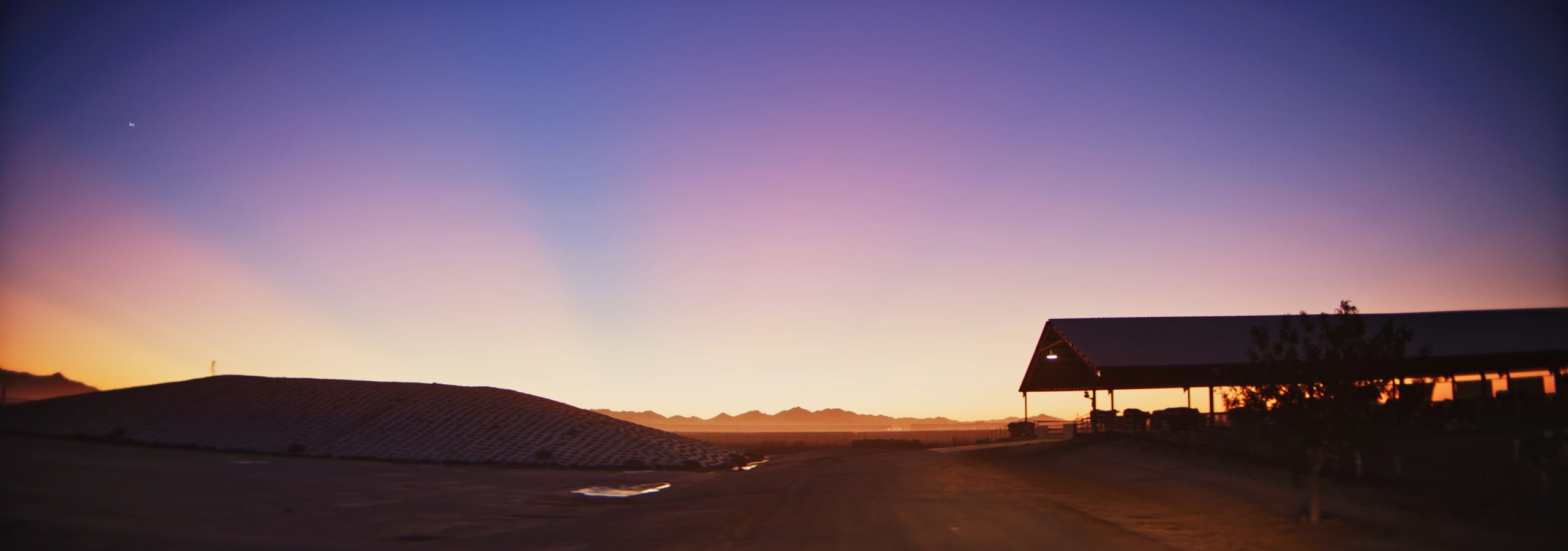
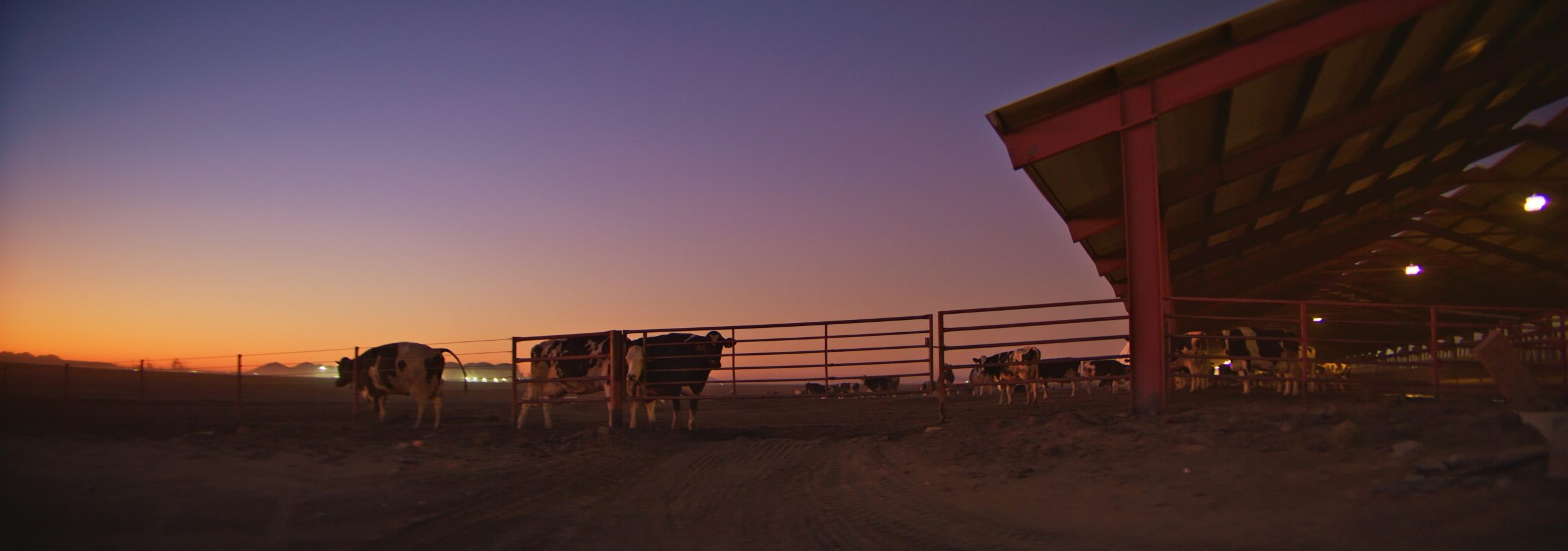
It also set the tone for the edit in a way that we did not fully understand in the moment. Part of what we were trying to make was a “day in the life” portrait of a brand, not a corporate explainer, and that meant the world itself had to have a rhythm. We needed to be able to carry the viewer from sunup to sundown in a way that felt natural, and in a way that quietly communicated a deeper truth about the place: this never stops. The work does not pause because a film team is on site. The dairy runs all night. The plant runs all night. People show up before most of us are awake, and other people are still there long after the day’s visible activity has tapered off.
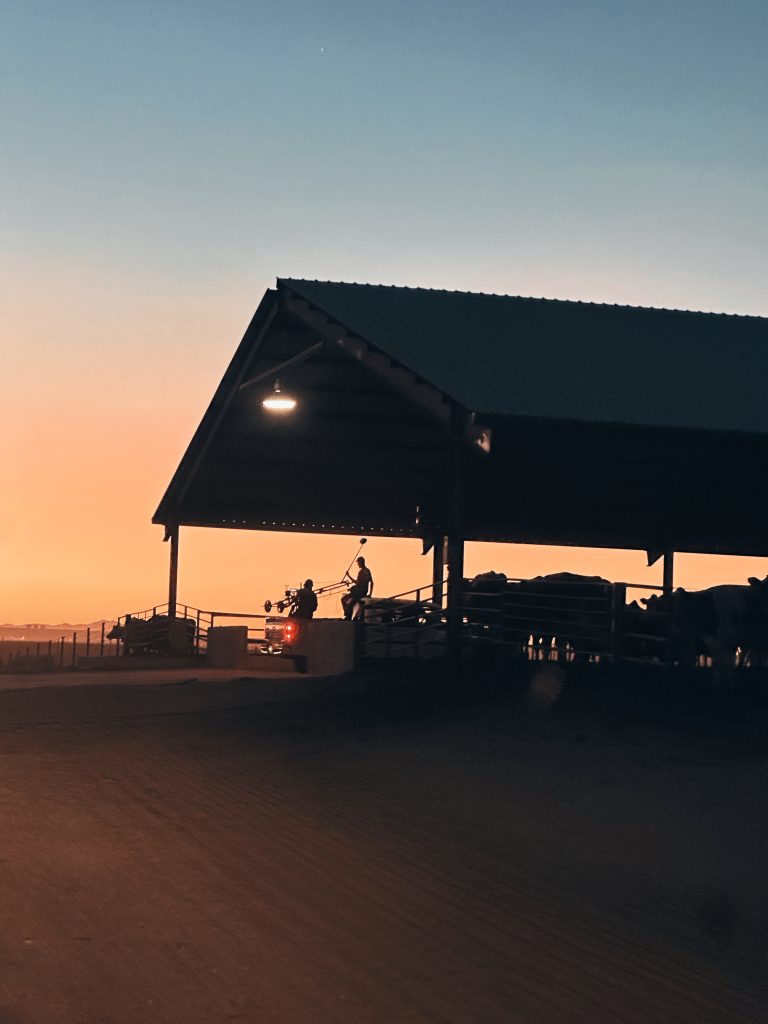
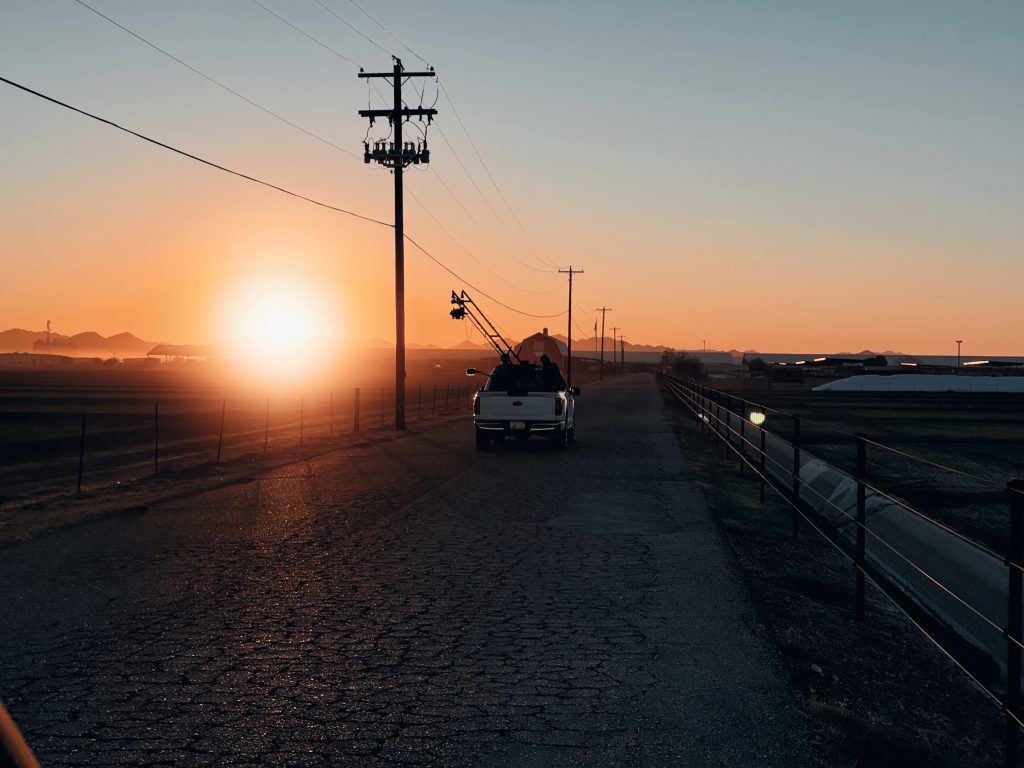
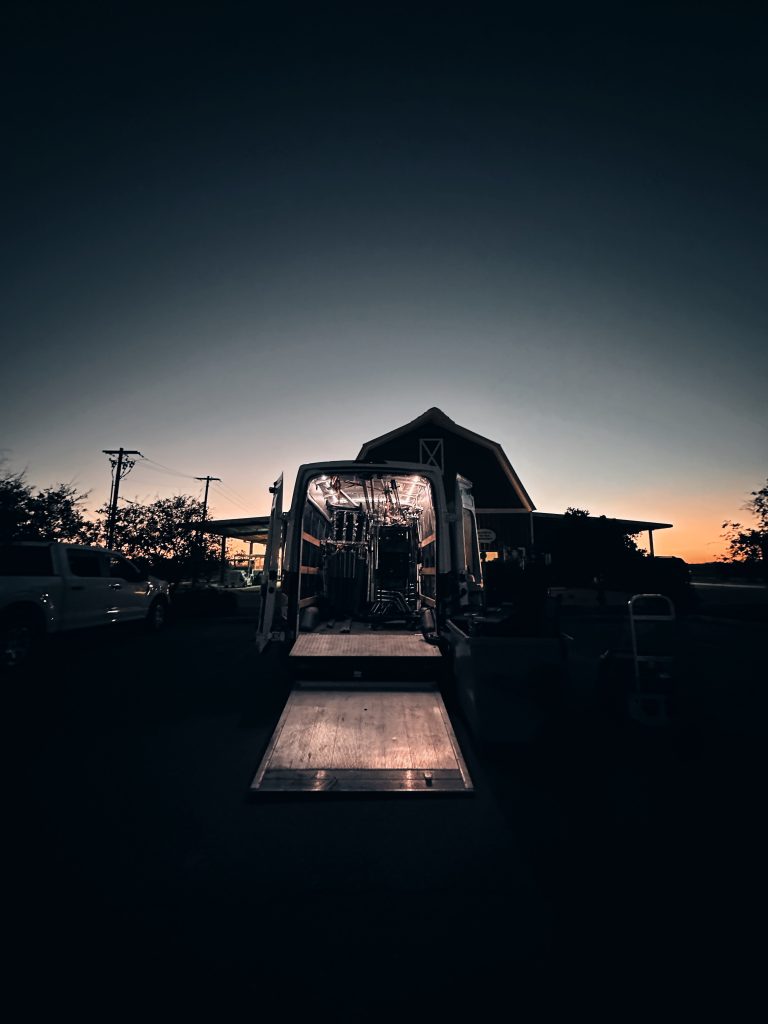
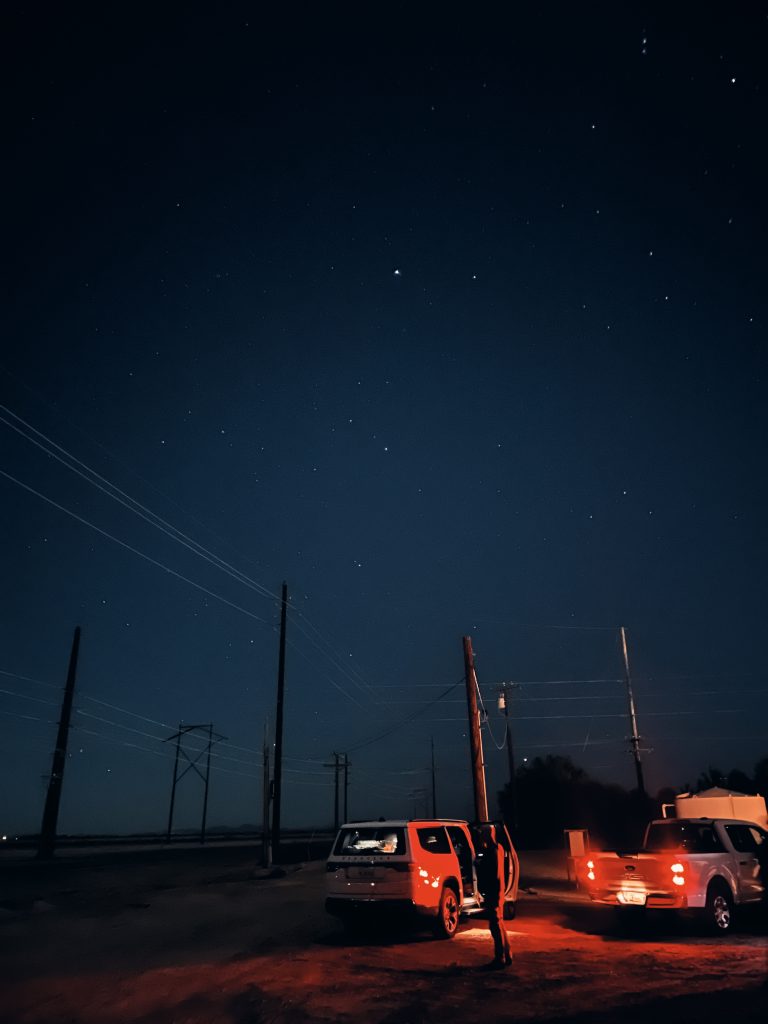
Once we committed to capturing that full arc, the film started to find its structure and we made micro-adjustments to our schedule and our shotlist for every other character. Morning routines, the early light, the first movement of people and animals, the shift changes, the mechanical churn, the fatigue, the steadiness, the handoffs. It gave the story forward motion, because time itself became a kind of organizing principle. It also helped orient the viewer without us having to over-explain anything. You feel where you are in the day, and you feel, almost subconsciously, what it means that the day does not really end here. That is the kind of truth you cannot map out in advance in any meaningful way. You can only recognize it once you have the footage, and once you have committed to filming in a way that actually gives the edit enough material to let that rhythm emerge.
Over the course of production, we made three pivots that changed the film. Each one cost us something, and each one paid the story back many times over.
Mary was the first pivot, and it was the one that forced us to simplify the film and commit to depth over coverage. Once we made that decision, a second lesson showed up almost immediately, and it was less about story structure and more about visual survival. If the farm portion of the film was going to feel like a world, the plant portion had to feel like one too. The problem is that even the most impressive facility can get visually repetitive fast if all of your remaining characters only “live” inside the same confining walls. A brand documentary can start to feel like coverage or “wallpaper” if you aren’t careful, and the edit can begin to sprint, because you are trying to keep the viewer engaged through pace instead of through meaning.
One of the small tools I have developed over the years to fight that is a question I almost treat like a throwaway during vetting. I ask it casually, usually near the end, as if it is not the point of the conversation. “What do you do when you aren’t working?” It is a simple question, but it often tells me more than a resume ever could. It helps me understand how to visually tell a person’s story, and whether there are layers we can explore that will let the audience see the human being instead of only the job title.
Trust the Process Pivot #2: Kevin
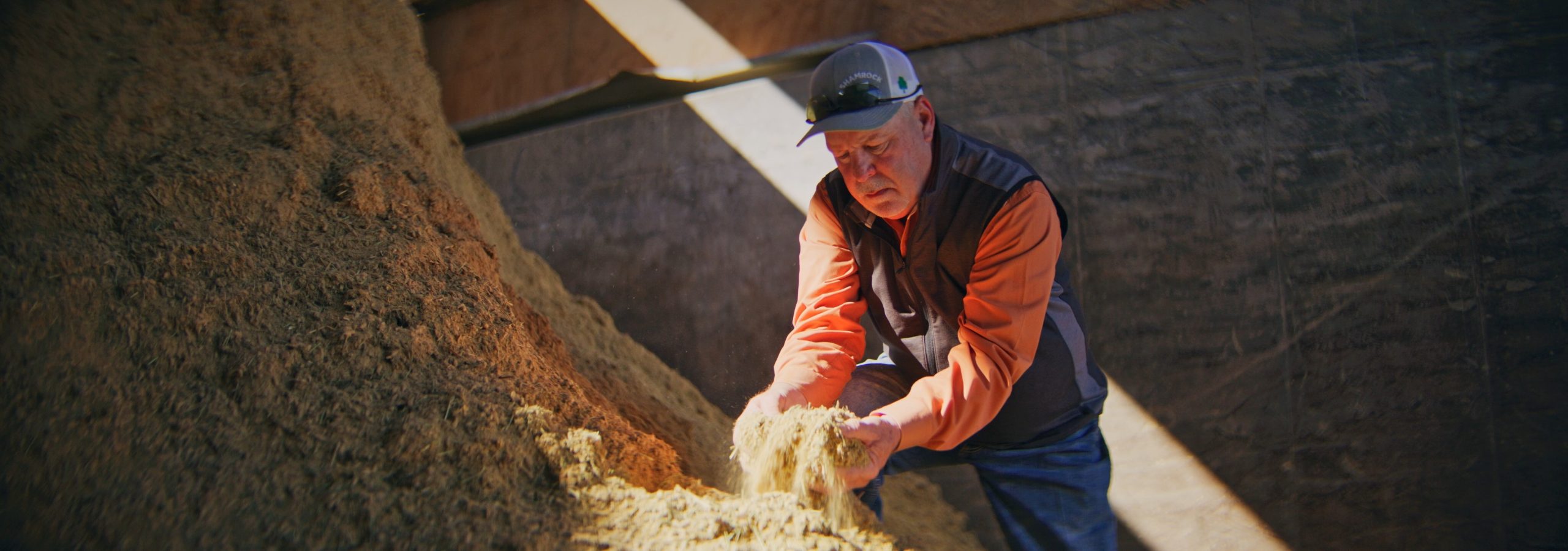
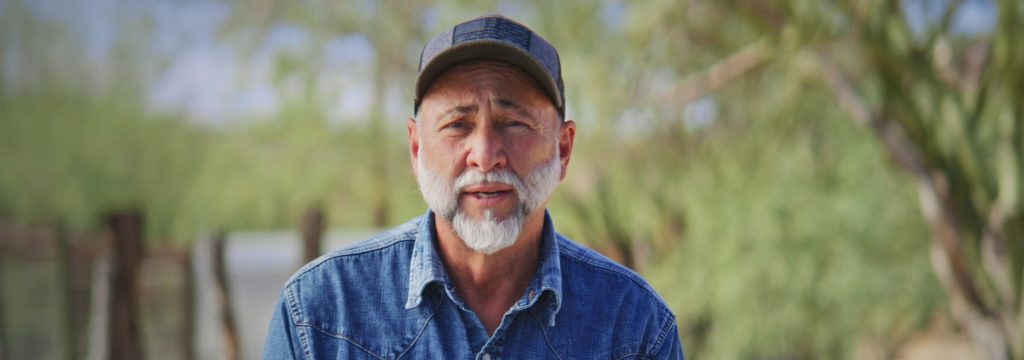
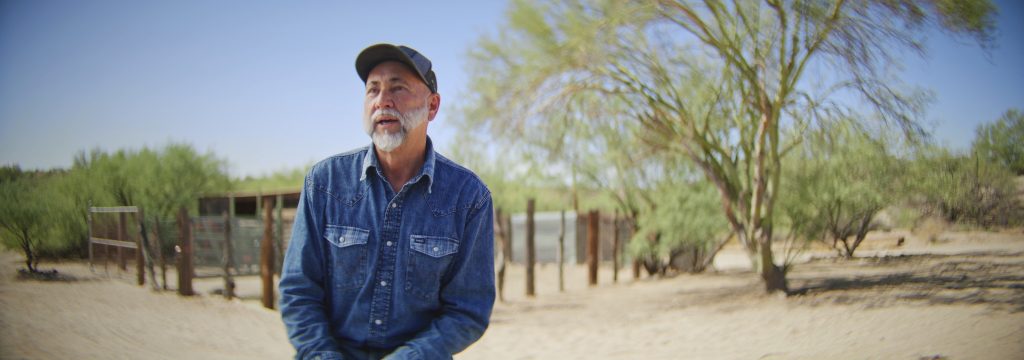
By the time we got to the processing plant in Phoenix, we already knew we’d have plenty of material with Kevin on the job. Kev is the senior maintenance manager and the head engineer, and he’s essentially run the place for forty years. He knows every line, every system, and every failure point, and he carries that knowledge with a calm and kind confidence that’s rare for such a powerful and stressful position. Following him at the plant gave us exactly what we hoped it would. He was knowledgeable, friendly, and completely open. He had the kind of sound-bite lines you know you’ll use in the film because they’re clear, unforced, and grounded in lived experience.
But it was that spare-time question in our vetting call that set his story apart.
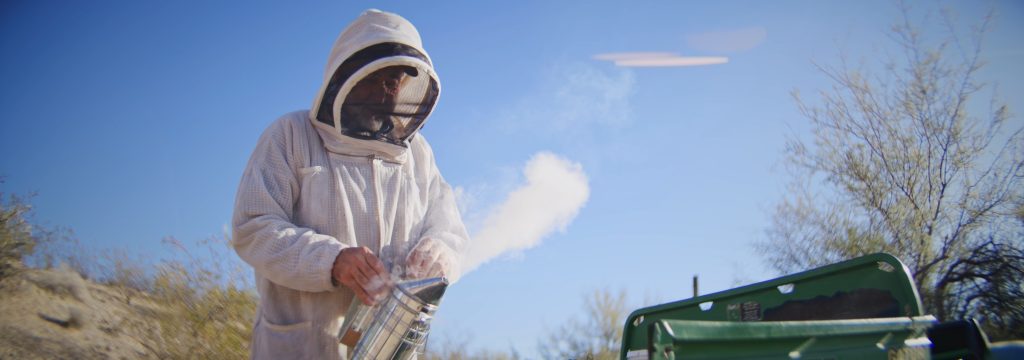
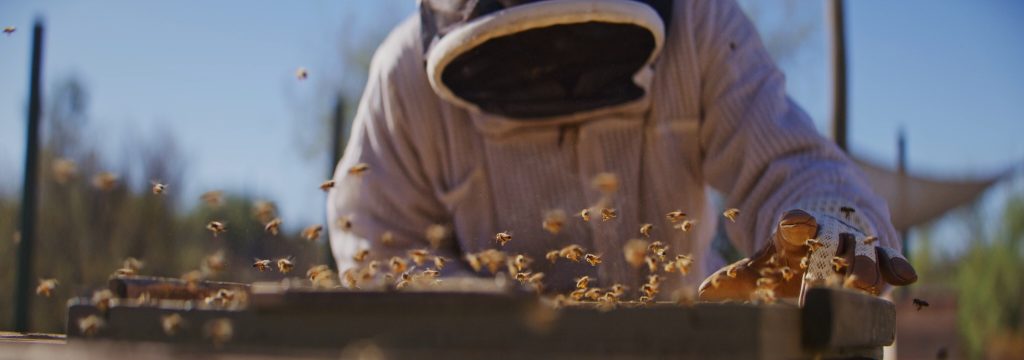
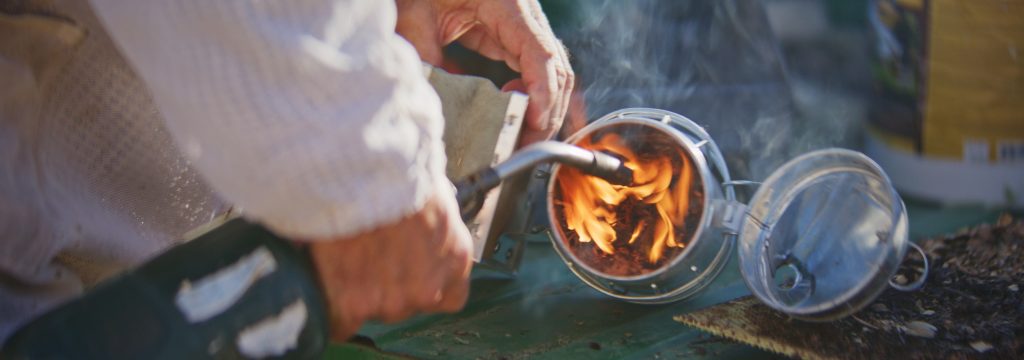
Kevin told us that when he’s not working, most of his time is spent out on his property, where he keeps multiple hives of Africanized honeybees. The moment he said it, I felt the answer before I could articulate it. We needed Arizona nature b-roll anyway, and we needed a shift in tempo and texture from the plant. We needed a place where we could see Kevin as a full person, not just the guy who keeps a massive facility running.
So I asked if he’d be open to us spending time with him on his ranch. He was happy to oblige.
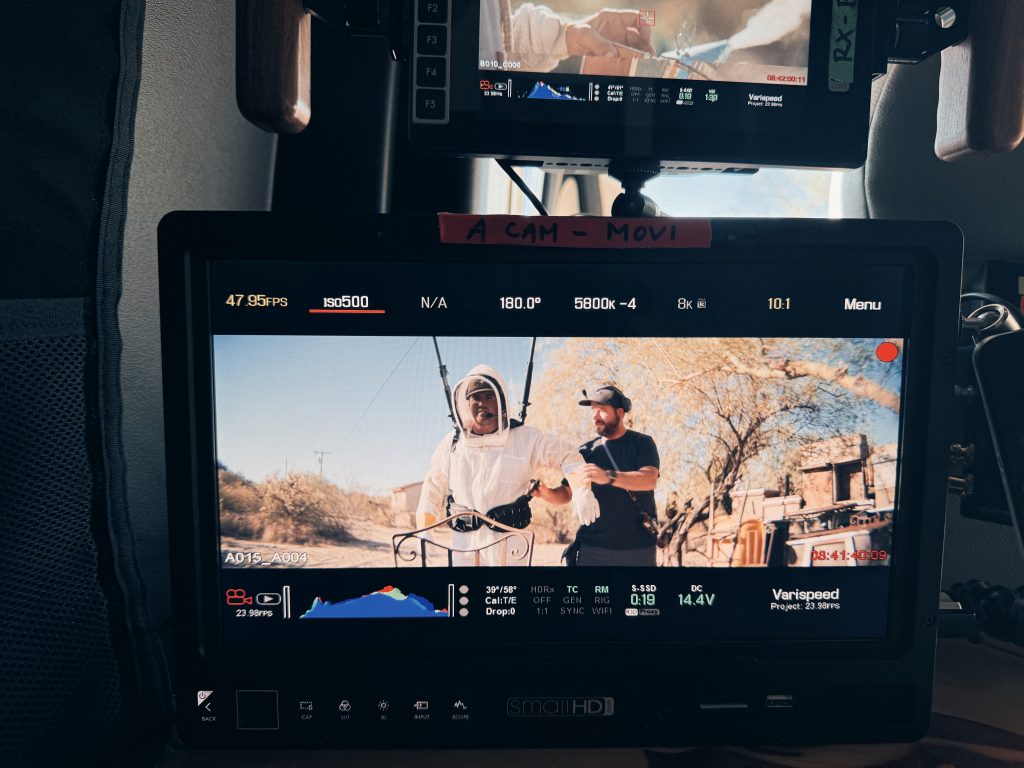
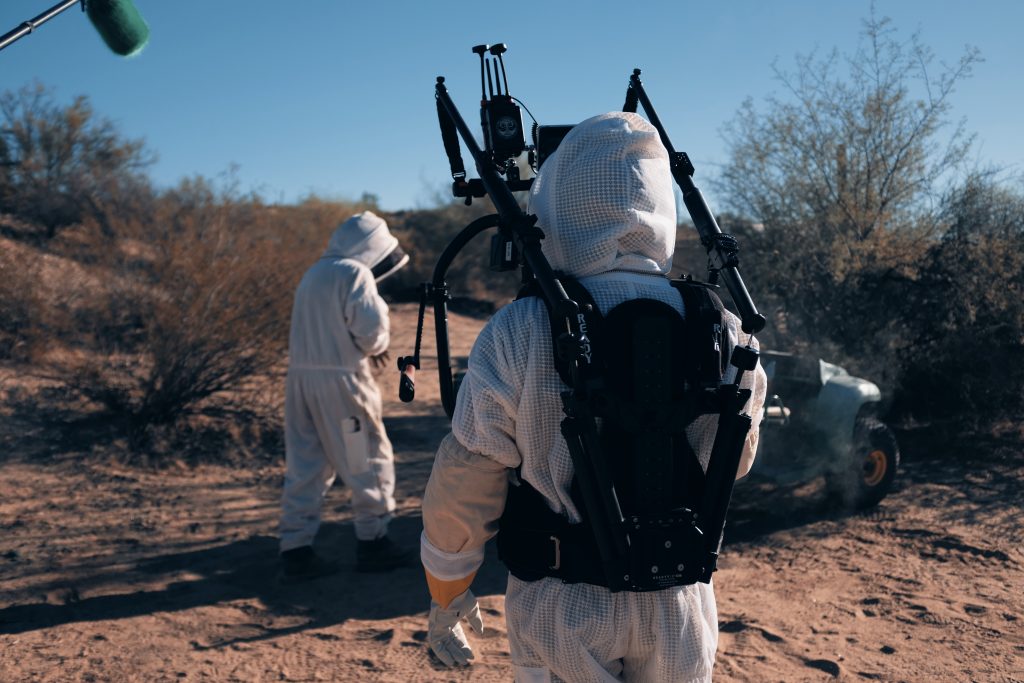
On paper, it was a hard ask for everyone to get behind. It meant committing a full day to one person in a location that wasn’t directly relevant to the story. It meant moving people and gear offsite to an environment that’d require special care with equipment and battery management. It meant taking a risk on material that could easily have become a detour if it didn’t land. And in a branded environment, anything that looks like “extra” tends to get questioned, because people are trained to protect efficiency and prioritize the parts that feel most obviously connected to the business.
This was also one of those moments where something that looked a little expensive in prep turned out to be exactly the right call. NewLeaf and I had kicked around the idea of renting a production RV, and at first it felt like the kind of line item people would side-eye. But once we were actually moving between Phoenix, Stanfield, farms, ranches, and offsite locations, it became a mobile production home base and one of the key reasons we were able to stay flexible. Gear lived there. People could regroup there, cool off there, and reset between moves. We could recalibrate and keep going. By the time Kevin’s offsite material came into focus, the RV had already justified itself. In hindsight, it’s hard to imagine pulling off this film without it. In practice, the ranch day ended up being one of the most useful of the entire shoot.
In his primary interview, Kevin talked poetically about how the bees in their hive are a kind of mirror of what happens on the farm and at the plant. Everyone has to come together with a shared goal in order to produce the best possible product. Everyone has an important role, and the work only holds if each part of the system is doing its job. He talked about honeybees as natural problem solvers, and he framed it in a way an engineer rarely gets to describe on camera. A huge part of the maintenance team’s job at the plant is to keep things operational while also solving problems all day long. That’s what a hive is doing too. Constant motion, constant adjustment, constant collective intelligence.
The ranch footage gave us the visuals to support that idea without having to over-explain it. It gave the viewer a break from the plant, and it gave the edit room room to reset for a moment without losing momentum. It also gave Kevin a kind of dimensionality that you can’t get if you only film him in fluorescent light with machinery behind him. You see his patience. You see his focus. You see the way he approaches a living system that can hurt you if you get careless. And by the time you return to the plant with him, you understand his steadiness differently. You feel what forty years of problem-solving looks like, not just what it sounds like.
That was the second pivot. Not because we changed the cast or rewrote the structure, but because we chose to spend time in a place that looked challenging on paper in order to make the film more truthful and more varied on screen.
Trust the Process Pivot #3: Minerva
Mary was the first pivot, and Kevin was the second. Minerva was the third, and in some ways the riskiest, because it required the most trust from everyone involved. It wasn’t just about reshuffling a schedule or taking a day offsite. It was about asking a person to let us into the part of her life that has nothing to do with a plant, or a brand, or a message, and everything to do with what her days actually look like.
I knew during vetting that I wanted Minerva as a main character. She was the youngest person in our group of characters and she’d worked across multiple positions at the plant. She was an immigrant from Mexico with an infectious personality and was clearly loved by everyone around her. She was also the kind of person who makes a place feel human without trying. You can sense it even over a Zoom call, the way someone carries themselves, the way they talk about their work, the way they describe the people around them. I felt it immediately with her.
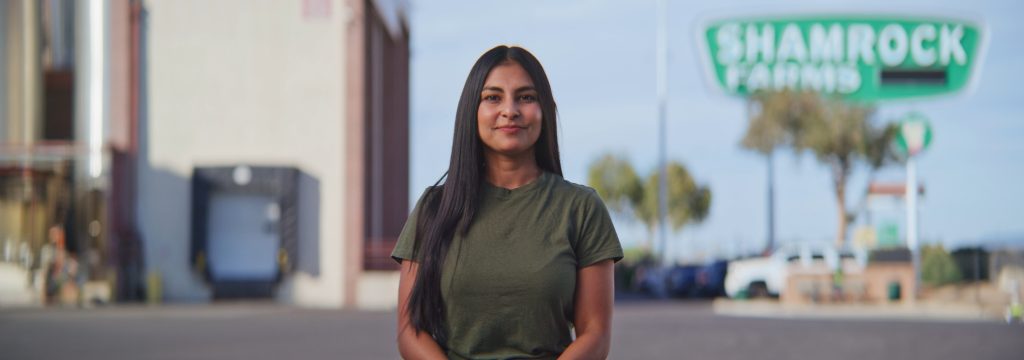
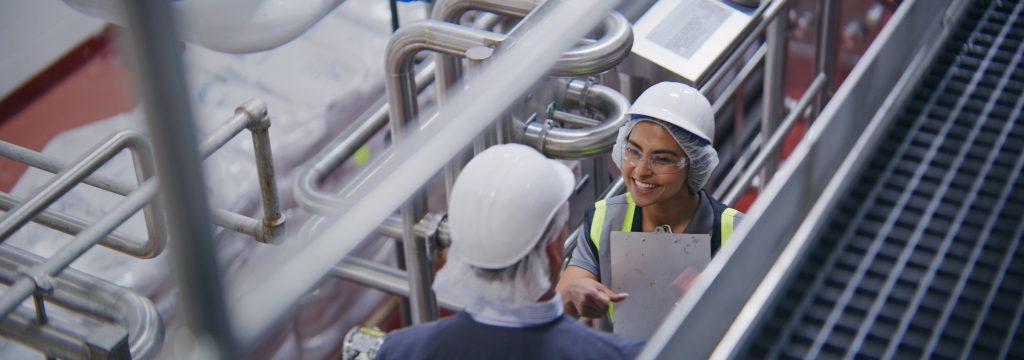
Like Kevin, we knew we’d have plenty of footage observing her at the processing plant. We’d see her doing her job, moving through the building, interacting with colleagues, and that would all be good material. But we also knew, just practically, that if all we did was film our plant characters inside the plant, the film would start to flatten visually. The location would become the dominant texture, and the people would begin to feel like they only existed inside their roles.
After our day one “honest planet” regroup, I started thinking about how we could retool the schedule to get out of the plant with Minerva. The obvious answer was also the hardest one, because as a single mom her “free time” isn’t a hobby or a side project. Her free time is her son. The life she lives outside of work isn’t separate from her work. It’s the reason she’s working, and it’s the thing she’s returning to at the end of every shift.
Could we film that? Could I convince Devon, Russ, and the NewLeaf team it was worth it? Could we ask Minerva for that kind of access without it feeling extractive or invasive?
Those aren’t simple questions, especially in a brand environment, and especially when you’re talking about filming a child and filming inside someone’s home life. But if the film’s deeper purpose was to put a face to the many people behind the scenes who make the whole operation run, then the most honest way to do that was to show what a day in the life actually looks like. Not in a glossy way, but in the mundane, ordinary moments where real life happens. Those moments can be powerful storytelling tools, and they often do more to build trust than any “about us” line ever could.
This was also a reminder that the culture of a set isn’t some secondary nice-to-have. It’s part of how you get the film. As a rule, our team is a thoughtful, caring bunch. We want people to feel comfortable. We want them to enjoy the experience, or at least not feel bulldozed by it, and to know we’re going to do right by their story. That kind of intention matters everywhere, but especially in sensitive spaces where the camera is entering people’s actual lives.
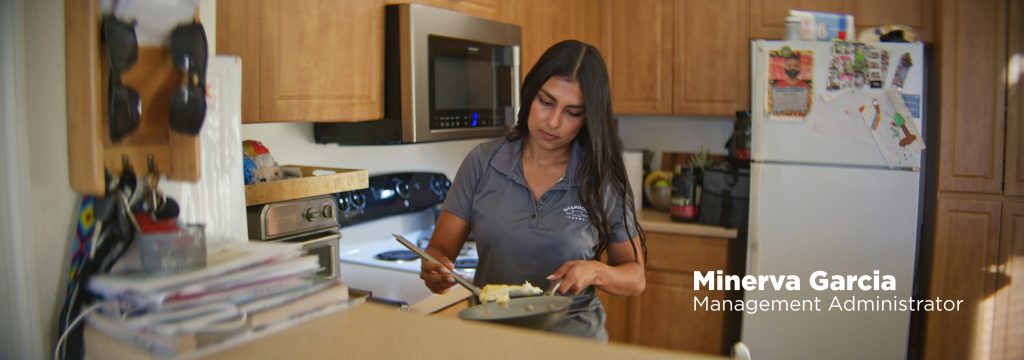
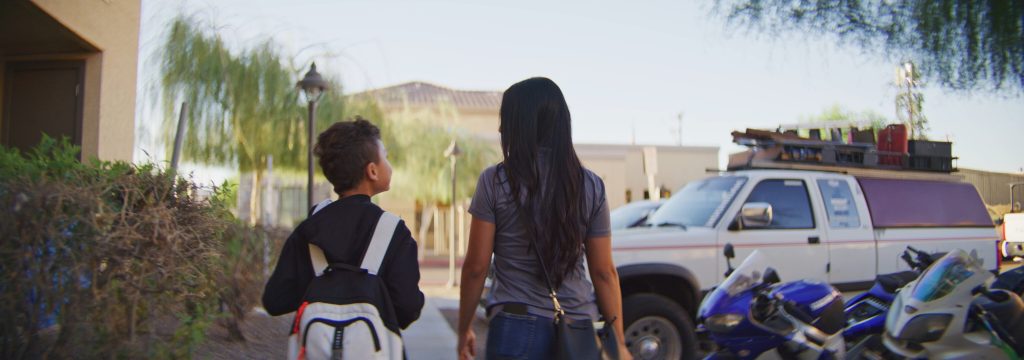
With Minerva, that meant bringing not just preparation, but emotional intelligence and a natural sensitivity to moments that could otherwise get awkward fast. We worked hard to build trust with every person involved, whether they were in front of the camera, behind it, or on the client side. Our years of work with Care.com also gave us real confidence filming around children and family routines, which helped as we spent the morning in Minerva’s home and followed her and her son through school drop-off. These aren’t moments most people share outside their family. So yes, all of that serves the film. But it’s also just good human behavior, and best practice for this kind of storytelling.
So we communicated, and I asked Minerva if she’d be comfortable with us filming her morning routine with her son, and then riding with her to work. Again, Shamrock is a busy place with so many moving parts, and her life was busy too, in a way that’s hard to describe if you’ve never had to do the full stack of parenting and work on your own. But between her, her colleagues, and the fact that she was willing to give us some of her day off, she said she’d be able to make it work.
When we finally got to our first day with her at the plant, what struck me immediately was how naturally she moved across the facility and across job types. Her interactions with people throughout the building, from leadership to entry level roles, were warm and genuine. It didn’t feel like someone performing for a camera. It felt like someone who had real relationships everywhere.
It was also obvious that much of that warmth lived in Spanish.
Minerva is a fluent English speaker, but the plant is full of people for whom English is a second language, and her day-to-day life moved naturally between both worlds. Knowing that Russ was fluent in Spanish, knowing that we could support it properly on set and in post, and watching how much of her real connection with people was happening in Spanish, I remember turning to him and saying it out loud, almost as a test of our own courage: What if we did Minerva’s interview in Spanish? Or what if we simply let her move freely between languages as she saw fit?
It felt right immediately, and we went for it.
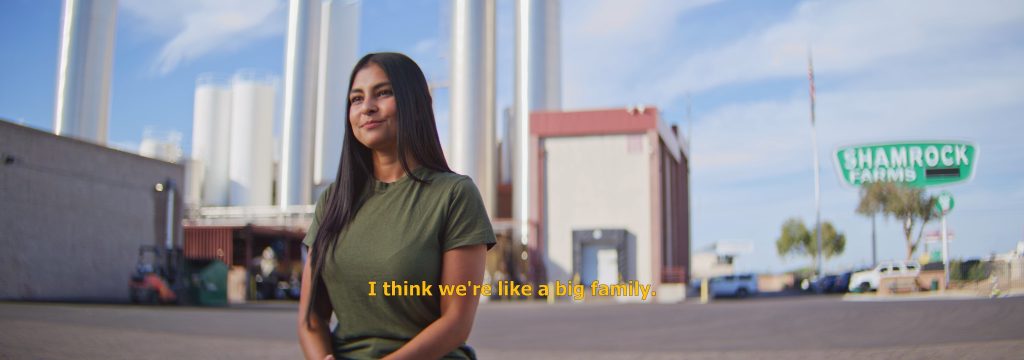
Her interview, conducted in Spanish, became one of the most elegant highlights of the film. Not because it gave the project some superficial sheen of diversity, but because it was true. It was her voice landing in the language that carries so much of her daily life, and in doing so it quietly honored a reality that most brand content still avoids. A huge percentage of the people doing the work behind the scenes in this country speak English as a second language. Many of them live between multiple languages all day long. If part of the film’s purpose was to help Shamrock’s employees, vendor partners, and eventually the public understand what it takes to get milk from the cow to the consumer, then letting one of our key characters speak the way she actually speaks wasn’t a creative flourish.
It also led to one of the most memorable lines in the film, when Minerva said, unprompted, that in some way she saw herself as the McClelland family. They came here as immigrants to build something for their family, she said, and she came here to build the same thing for her son. “They saw something in me I didn’t see in myself.” That line did more than connect her to the company’s history. It gave voice to the emotional logic underneath the whole piece.
It also opened a story that Shamrock didn’t need to manufacture, because it was already part of who they are. Shamrock is a century-old company founded by newlywed Irish immigrants. The “American Dream” story isn’t a slogan for them. It’s part of their origin story, and it’s part of their current workforce and overall mission. Minerva’s presence in the film, her grace on screen, and the choice to let her seamlessly move in and out of Spanish, helped connect those dots in a way that didn’t feel like messaging. It felt like the company simply allowed itself to be seen.
What this kind of work asks of everyone
One of the biggest takeaways from this project is that the best branded documentary work stops feeling like a bunch of separate parties and starts feeling like an actual team. That doesn’t happen automatically. It happens when trust builds over the course of the process and everyone starts pulling in the same direction.
For the client, that means having the confidence to let the process breathe, and understanding that depth is often more valuable than neatness. Devon did that again and again. He trusted us when the film asked to pivot, and because of that the work got better.
For the people in front of the camera, it means generosity and vulnerability. Mary, Kevin, Minerva, and the many others we featured, gave us more than access. They trusted us with parts of themselves that were personal, unguarded, and not the sort of thing you hand over lightly. That kind of trust matters, and it comes with a real responsibility to handle it well.
For production, it means being prepared enough to stay flexible. It means solving problems without drama, treating people well, protecting the story, and understanding that how you move through a space matters just as much as the images you bring back. This is one of NewLeaf’s real strengths. Their culture tends to pull people toward a shared center pretty quickly.
And for the creative team, it means listening closely enough to recognize when the real film is asking for something different than the version you thought you were making. It means staying humble, staying open, and then having the nerve to reshape the work around what’s actually happening in the moment.
When all of that comes together, the set starts to feel less fragmented. The client, the people on camera, the crew, the producers and core creative team, everyone starts to feel like they’re part of the same effort.
In my experience, that’s usually when the story is able to thrive.
So What?
Mutual trust is not a feeling. It shows up in decisions.
Shamrock reminded me of something that is easy to say and hard to live out in practice: branded documentaries only work when trust is mutual. The team has to trust the process enough to follow what is real, even when it breaks the plan. The brand has to trust the process enough to let that reality stay intact through scheduling, approvals, legal, and the natural anxiety that comes from putting real people on screen. The characters need to trust that the team is working with their best interest at heart. When only one side trusts the process, the film gets stuck in the middle. It either becomes a beautiful idea that never quite makes it through the machine, or it becomes a safe and competent video that doesn’t really land because it is missing the very thing documentary is good at capturing.
A big part of why I stayed so verbose in the Shamrock section is because “trust the process” has become one of those phrases that can sound like a creative platitude. In reality it’s operational. It is a chain of decisions made under pressure, often when you are tired, when the schedule is tight, when the safest move would be to stick to the outline and protect the day. The calf birth was not on the schedule. Elevating Mary was not on the schedule. Spending a full day with Kevin offsite was not on the schedule. Filming Minerva’s morning with her son and letting her interview live in Spanish was not the safe, default choice. Those moments worked because the team trusted the process enough to name what felt real, and treated the individuals on set and on camera with honesty, respect, and dignity, AND because Shamrock’s leadership trusted the process enough to back the decisions that made the film more honest, even when those decisions cost us time, money, and certainty.
“Trust the process” is a budget line item, not a slogan.
If there is one practical thing brands should understand, it is that the documentary process costs money in a different way than traditional brand video. The cost is not just production days and deliverables. The cost is flexibility. The cost is time with people. The cost is the ability to pivot when the plan breaks, which it almost always does. When we say “trust the process,” what we really mean is funding the conditions that let real life unfold in front of the camera, and then giving the edit enough material to shape that reality into something coherent and watchable. Devon and Shamrock did that. They didn’t just buy a film. They bought the breathing room required to make a film that reflected the human connection and natural conditions that allow their business to thrive.
Depth beats breadth, and it is the only reliable path to credibility.
Many branded documentaries lose their emotional power for one reason: They try to include too many voices, which forces the film into montage. Yes, you get a lot of soundbites, a lot of coverage, but not much revelation. What Shamrock reinforced for me is that fewer characters filmed deeper almost always wins. It gives the viewer time to settle into a world and to feel a person’s reality. It gives the film room to build emotion without manufacturing it. And it gives the edit a chance to create structure through lived moments rather than through explanation. When you make room for depth, you earn credibility, and credibility is the thing audiences can sense even when they cannot articulate why they trust what they are watching.
Structure does not have to be explained if you film the rhythm of real life.
One of the biggest creative wins on Shamrock was collectively realizing that the film wanted to be a day-in-the-life portrait of a brand, and absolutely not a corporate explainer. Once we committed to capturing the full arc from sunup to sundown (which means very long days for all involved), the film began to find its structure almost on its own. Time became an organizing principle. Morning routines, early light, handoffs, fatigue, shift changes, and the steady hum of a place that doesn’t ever shut down. That rhythm kept the film moving and it oriented the viewer without us having to over-narrate or over-explain (show don’t tell!). It also quietly communicated a deeper truth about the company: this place never sleeps, and the people who make it run are carrying a level of responsibility most consumers never see.
Some of the most revealing material is adjacent to the brand, not inside it.
Kevin’s bees were the best example of this, and it is a principle I return to again and again in documentary work. Sometimes the most truthful way to show what a company values is not to film the company harder. It is to film the human being who works there when they are not “at work,” because that is where you often see the instincts and values the brand claims to stand for. On paper, a day on a ranch with Africanized honeybees does not look like it belongs in a milk documentary. In the film, it gave us a powerful metaphor, it gave us visual variety, and it gave the viewer space to breathe from the organized chaos of our primary locations. More importantly, it revealed Kevin’s way of seeing systems, problem-solving, and collective work, which is exactly what he brings back into the plant every day.
Let people be themselves, including the language their life happens in.
Minerva’s interview in Spanish was one of those moments that, once we said it out loud, felt almost obvious. She is fluent in English, but her daily life at the plant moved naturally in and out of Spanish and English, and much of her warmth and connection with colleagues lived in being able to easily switch. Letting her interview live in Spanish was not a “creative choice” in the way brands sometimes talk about representation. It reflected the reality of the workforce, and it honored a truth that many brands still shy away from acknowledging on camera. It also connected, quietly and without messaging, to Shamrock’s own origin story as an immigrant-founded company. In a film meant to put faces to the people behind the process, allowing one of our central characters to speak in the language that carries much of her world was not just the right thing to do. It objectively made the film better.
Protect the heart through feedback, or the whole thing collapses.
Every brand says they want authenticity until authenticity creates discomfort. The real hard part is not filming real life. The challenge is protecting real life once it sits on the editing timeline. The moment you start sanding down emotion because it feels risky, or flattening a character because they are too human, you are back in the world of message control, and the audience can feel it. Stakeholders can absolutely make a film clearer and more accurate. They can help protect people, protect the brand, and protect the facts. But if the process becomes sterilization, you lose the very thing that made the work worth doing in the first place.
The real ROI is not just reach. It is trust, memory, and long-tail value.
Branded documentary has a funny way of outlasting the campaign window that commissioned it. It keeps finding people because it is built on human reality, not on the shelf life of a marketing message. It also tends to generate a lot of extra fuel, cutdowns, stills, BTS, and moments that can live in other places for a long time, if you plan for how to harvest and distribute them. The deeper return, though, is less tidy to measure. It’s trust, it’s credibility. It is a viewer feeling, even subconsciously, that a brand is willing to show the truth of how things are made and who is making them, without telling them what to think.
If you want the upside of documentary, you have to fund and protect the conditions that make great documentary content possible.
That’s the simplest version of a big “takeaway,” and the hardest one to operationalize. When a brand is willing to support honest, real storytelling, and a team is willing to do it with care and humility, you can make something that lands harder than louder marketing precisely because it is doing something different. It’s earning attention, not chasing it.
Why NewLeaf?
Underneath all of it, the pivots, the long days, the 4 a.m. call times, the budget conversations, the courage to throw out the plan and follow what’s real, there’s something that doesn’t fit neatly into a production brief. In order to maximize adaptability and flexibility in the face of ever-changing storylines and schedule changes, you need a team that knows each other the way a band knows a setlist: well enough to improvise without looking up. A band of brothers and sisters. People who would rearrange their entire day for the story, and for each other, without being asked. That’s not a workflow. That’s the secret sauce, and it’s the thing that makes everything else in this post actually possible.
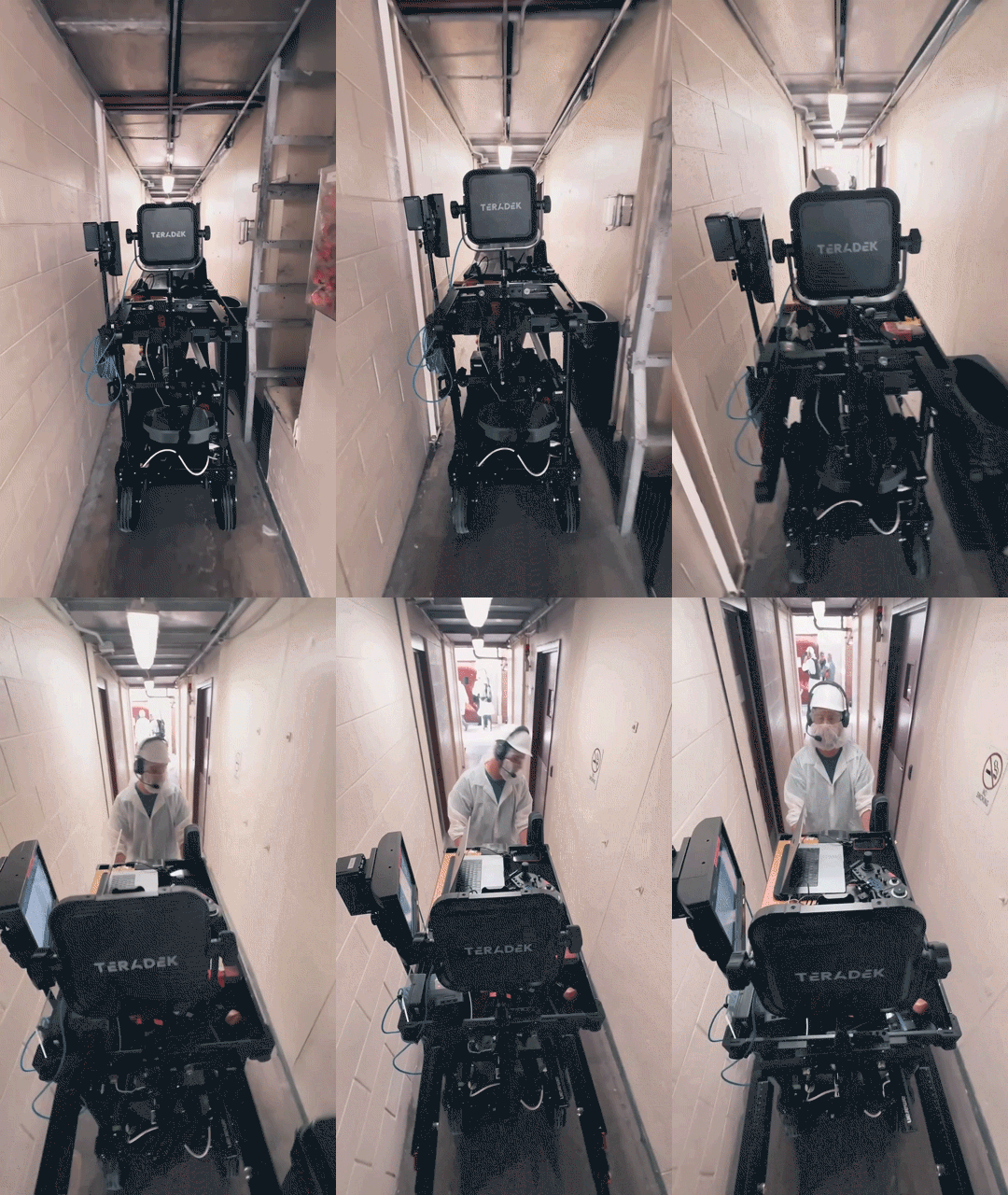
WATCH LINK: https://www.newleafpresents.com/project/shamrock-farms-a-branded-doc-shamrock-stories/
CREDITS:
Client: Shamrock Farms
Director: @nathanielhansen
1st AD: @russdixon
DP: @strauss625
Movi Op: @pbrysh
UPM: @jonnyb41
1st AC/Movi Op: @taylor_pelletier
Audio: Djim Reynolds
Gaffer: @pauliexpocket
Grip: @doug_sampson
Grip: @ianrgrau
Aerial: @strauss625
Editor: @alexandersandman
Editor: @nathanielhansen
Color+Finish: @newleafpresents
Stay tuned
In the next two posts in this Branded Storytelling series, I’m going to zoom in on two very different projects that each pushed this same set of principles in their own way. One is our work with OXO, where the storytelling challenge is less about spectacle and more about craft, process, and the quiet design decisions that shape daily life. The other is our work with Boston Dynamics, where the world is louder, stranger, and culturally charged, and where trust and restraint matter just as much if you want to tell a story that feels human instead of hype.